












Commercial
Best Hikvision CCTV System for Small Business
Buying Guide
Hikvision suits small businesses that need a little more structure
Many small businesses reach the point where a simple camera package no longer feels like enough. They may want better after-hours alerts, stronger low-light performance, more reliable review at the counter or front entry, or the option to improve staff-only door control later. That is where Hikvision often becomes the more comfortable fit.
Focus on the views that carry real business value
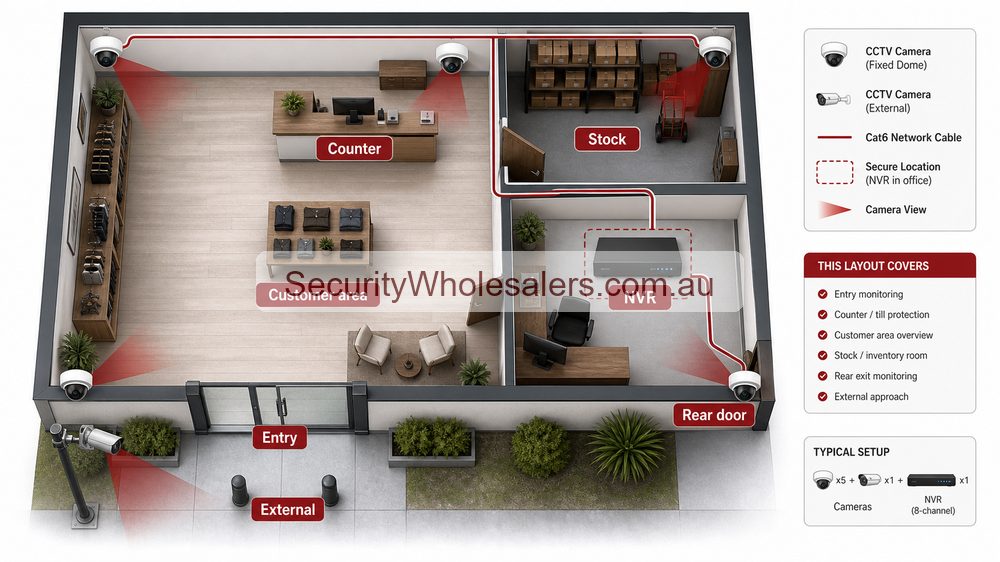
Most small-business systems should prioritise front entry, reception or counter, rear doors, external lanes, storage access, and any cash or dispute-prone area. A good design does not try to give every part of the site the same budget or the same camera logic.
Installation insight: the job often grows into access control or intercom
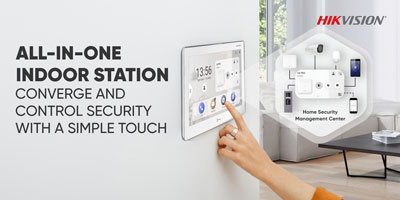
One reason small businesses lean toward Hikvision is that the CCTV project often leads naturally into controlled entry, back-room access, or visitor verification at the front door. If those needs are already visible, it helps to choose a brand that that can support them instead of treating CCTV as a one-off island.
Plan the recorder and power supply design honestly
Even a modest business can outgrow a cramped recorder quickly. If the owner expects more cameras, audio, or longer retention, use the CCTV Storage Calculator and think about UPS on the core equipment early rather than after the first outage or storage surprise.
Relevant SecurityWholesalers Categories and Products
These Hikvision categories and products matter on small-business jobs because they cover the decisions owners actually make: front entry, counter, after-hours external views, recorder sizing, and the option to add access control or intercom later.
- Hikvision cameras - The right starting point for entry, office, warehouse-front, and counter coverage.
- Hikvision AcuSense - Worth reviewing where the site wants cleaner event handling and better after-hours notifications.
- Hikvision ColorVu - Useful for businesses that care about stronger night-time colour at key external views.
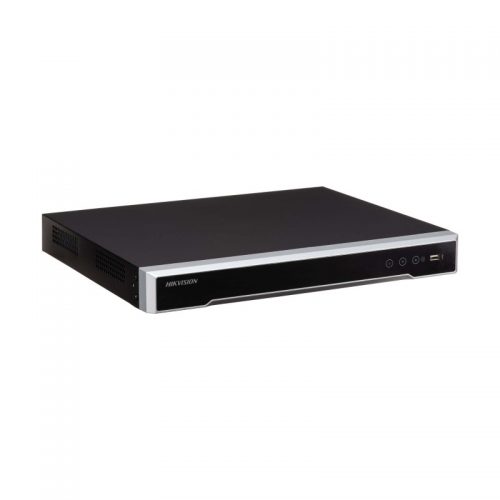
- Hikvision NVRs - Important when the project needs sensible channel planning and room for future cameras.
- Hikvision access control - Relevant where staff-only rooms, rear doors, or restricted areas should not stay on key-only logic forever.
- Hikvision intercoms - Useful where the site wants visitor verification or controlled entry at the front door.
Sources and Further Reading
Small-business quote scenarios
| Business | Practical Hikvision design | Why |
|---|---|---|
| Office or clinic | Entry, reception, hallway, rear door and comms/store area. | Access points and after-hours evidence matter more than monitoring every desk. |
| Retail store | Entry face view, counter, floor overview, stock room, rear door and exterior approach. | Transaction, stock and entry evidence need separate views. |
| Workshop or trade unit | Roller door, office, tool area, vehicle bay, rear cage and driveway. | Tools, vehicles and after-hours access usually drive the design. |
| Hospitality venue | Entry, POS, service area, stock, rear lane, waste area and external queue/approach. | Lighting, staff comfort and customer-facing areas need careful camera behaviour. |
What to specify before buying
- Which views need face detail and which only need overview.
- How long footage should be retained for stock, incident or transaction review.
- Who owns the Hik-Connect account and who receives shared access.
- Whether after-hours alerts, sirens or warning lights are actually wanted.
- Whether access control, intercom or AX PRO may be added later.
Frequently Asked Questions
-
Why is Hikvision a strong small-business choice?
Because many small businesses need more than a basic camera kit but not a giant enterprise project. Hikvision gives them stronger low-light, analytics, recorder, and subsystem options while still letting the design stay practical.
-
What business areas should be covered first?
Most small businesses should start with front entry, counter or reception, cash or stock-sensitive areas, rear doors, and any external approach that becomes vulnerable after hours.
-
When does AcuSense matter most on a small-business job?
It matters most where the business wants cleaner alerts and easier event review on business fronts, side lanes, rear entries, loading areas, or similar scenes that would otherwise produce too much motion noise.
-
When is ColorVu worth paying for on a business?
It is worth it when a key night-time view really benefits from stronger colour context, such as a front entry, driveway, or external staff entrance.
-
Should a small business think about access control or intercom at the same time as CCTV?
Often yes. If the business already has staff-only zones, restricted rear doors, or a visitor-facing front entry, it can be sensible to plan those layers while the broader security discussion is already happening.
-
What should the installer confirm before finalising a Hikvision small-business design?
The real risk points, cable routes, recorder location, storage expectations, staff movement, front-door workflow, and whether the site is likely to expand into more cameras or entry control later.
-
What is the best Hikvision setup for a small business?
Most small businesses should start with an 8-channel recorder setup, fixed cameras at entry/counter/rear areas, and selective low-light or deterrence only where the risk justifies it.
-
Should a small business use Live Guard cameras everywhere?
No. Live Guard is best for exposed after-hours positions such as rear lanes or yards. Customer-facing areas usually need calmer evidence cameras.
-
Why is the NVR important for a small business?
The NVR controls channels, storage, PoE, search workflow and expansion. A good camera mix can become frustrating if the recorder is too small or hard to review later.
Related Pages
How to Choose a Hikvision Camera
Work out which Hikvision camera type fits the job, the lighting, and the installation.
How to Choose a Hikvision NVR
Choose the right Hikvision NVR for channel count, PoE, AI, storage, and growth.
Hikvision Access Control Buying Guide
Choose the right Hikvision access-control setup and understand what the install requires.
Hikvision Video Intercom Buying Guide
Choose the right Hikvision video intercom and understand the lock-release design.