

















Comparison
Hikvision IP vs Turbo HD
Comparison Guide
The real difference is architecture, not only picture quality
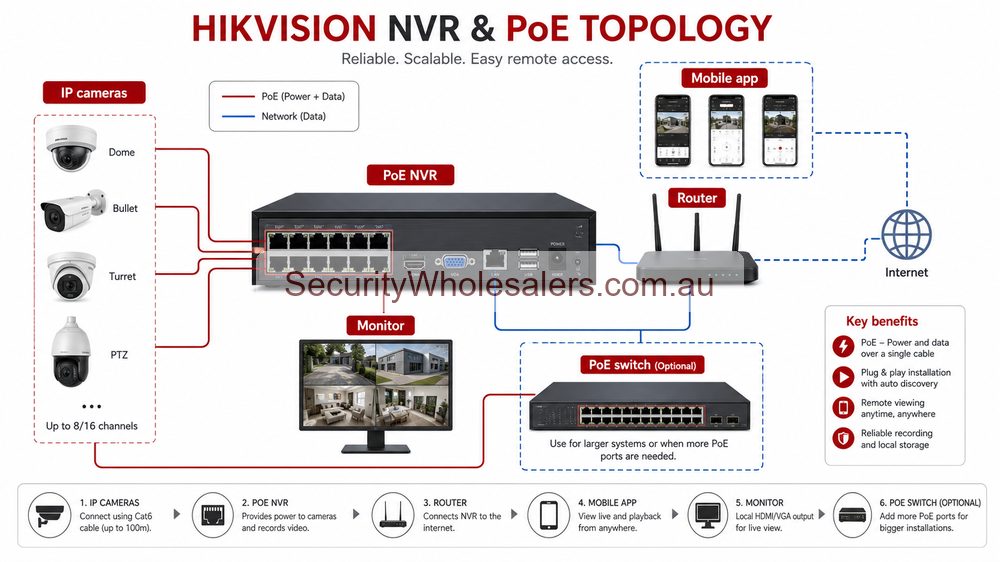
Hikvision IP is a network camera option. Hikvision Turbo HD is an HD-over-coax path. That sounds simple, but the knock-on effects are significant. The installer may be choosing between direct PoE switching, distributed switch cabinets, or continued use of coax and local power. You may be choosing between staged retrofit convenience and cleaner long-term flexibility.
That is why this guide treats the question as an installation decision first and a specification comparison second. A project with good coax already in place is a different commercial problem from a greenfield warehouse, a school extension, or a new house where Ethernet can be run cleanly from day one.
When Hikvision IP usually wins
IP usually wins where the site wants cleaner expansion, broader camera choice, stronger integration with NVR and network hardware, or more flexible system design over time. It is especially attractive when the project is already being cabled from scratch, when camera positions are spread across several zones, or when you want to combine CCTV with other IP-led devices on the same site.
It also gives the installer more freedom to place switches sensibly, manage longer projects building by building, and avoid the ceiling that old coax layouts can create later.
- New builds and major refurbishments
- Sites that want easier long-term growth
- Projects that expect stronger camera analytics or mixed camera types
- Installers who want cleaner PoE and rack planning rather than coax-by-coax patchwork
When Hikvision Turbo HD still makes strong commercial sense
Turbo HD is still an excellent answer when the best commercial move is reusing decent coax infrastructure and improving the cameras and recorder without turning the whole job into a recabling exercise. That can be very attractive on older shops, offices, workshops, homes, and staged commercial upgrades where the customer wants value from the existing cable run.
The key is to check whether the coax is actually worth keeping. If the cable quality, pathways, or power arrangement are already poor, the upgrade may look cheap on paper but awkward in practice. That is why a fast site survey matters.
Installation insight: survey the cabling path before arguing about models
On an IP job, the installer should confirm whether cameras will home-run to an NVR with PoE, terminate to nearby PoE switches, or be grouped in local cabinets and uplinked back to the recorder setup. On a Turbo HD job, they should confirm coax condition, power supply strategy, patching, and whether the recorder location still makes sense for the expanded system.
If the project is hybrid, the question becomes even more practical: which views justify remaining on coax, and which views are so important or so awkward that they should move to IP now? That framing usually gets better results than debating the catalogue in the abstract.
| Scenario | Usually the better choice | Reason |
|---|---|---|
| New office, warehouse, or home build | Hikvision IP | Clean cabling, PoE simplicity, easier future expansion. |
| Existing shop with good coax and modest growth | Turbo HD | Lower disruption and better value from existing infrastructure. |
| Site upgrading in stages | Mixed or transition path | Lets you improve high-value views first without forcing a full recable. |
Do not forget recorder, storage, and UPS
The decision is not finished when the camera option is chosen. The IP or Turbo HD branch still needs the right recorder, realistic storage sizing, and sensible power-resilience planning. If the site is recording more cameras, more pixels, or more audio than before, the retention assumptions can break quickly.
This is where the CCTV Storage Calculator and UPS Backup Time Calculator become useful. A better camera option still needs a recorder design that survives real-world review requirements and short outages.
Relevant SecurityWholesalers Categories and Products
The most useful way to compare the two branches is to line up the camera and recorder setup together rather than comparing cameras in isolation.
- Hikvision IP camera range - The right place to start if the job is a new network build or a site that wants more flexibility long term.
- Hikvision Turbo HD camera range - Useful when the project wants to reuse coax and modernise step by step.
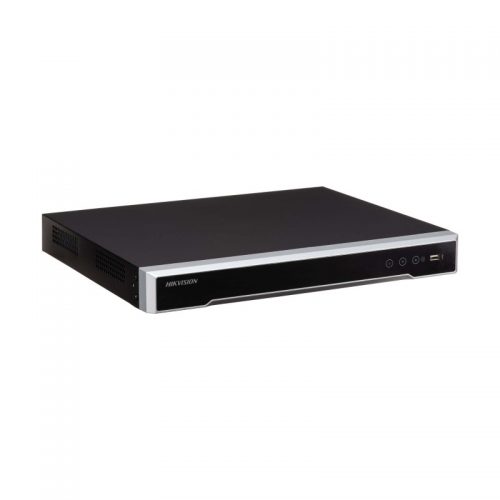
- DS-7608NI-M2/8P PoE NVR - A practical example of the direct-to-recorder PoE path many IP jobs start with.
- iDS-7208HTHI-M2/S AcuSense DVR - A good example of a Turbo HD recorder that still supports mixed-format upgrade thinking.
- DS-2CE72UF3T-LS 4K Turbo HD ColorVu turret - Shows where premium analogue-style low-light performance can still make sense.
- DS-2CD2066G2H-IU IP bullet - An example of a network camera option when the site wants sharper IP flexibility from the start.
Sources and Further Reading
Frequently Asked Questions
-
When is Hikvision IP the better choice?
Hikvision IP is usually the better choice on new builds, larger sites, projects that want easier expansion through network switches, or jobs that care more about analytics and flexible architecture than coax reuse.
-
When is Hikvision Turbo HD still a smart option?
Turbo HD still makes strong sense where the site already has usable coax, wants to modernise more gradually, or needs a practical upgrade path without recabling everything at once.
-
Can a Turbo HD site still use modern low-light and analytics features?
Yes, within the limits of the chosen camera and DVR family. A well-chosen Turbo HD path can still give strong low-light performance and selected smart features, especially on the better Hikvision DVR ranges.
-
Does IP always cost more to install?
Not always. On a new build, IP can be cleaner because the job is designed for Ethernet and PoE from the start. On a retrofit with good coax already in place, Turbo HD may reduce recabling and labour.
-
What does the installer need to confirm before choosing between IP and Turbo HD?
They need to confirm the state of the existing cabling, the desired recorder location, whether remote switches are needed, the future camera count, and whether the customer cares about a gradual upgrade or a cleaner long-term network design.
-
Can one site mix Hikvision IP and Turbo HD?
Yes, some projects use a mixed approach, especially during upgrades. The important part is being deliberate about which areas are staying on coax and which areas justify moving to a more network-led architecture.
Related Pages
How to Choose a Hikvision Camera
Work out which Hikvision camera type fits the job, the lighting, and the installation.
How to Choose a Hikvision NVR
Choose the right Hikvision NVR for channel count, PoE, AI, storage, and growth.
Hikvision ColorVu vs Smart Hybrid Light
Compare Hikvision ColorVu and Smart Hybrid Light in practical site terms.
Hikvision AcuSense Cameras Buying Guide
Use this when the IP versus Turbo HD discussion is drifting toward smarter alerts and cleaner event handling.