













Commercial
Best Access Control System for Front Doors
Buying Guide
A front door is often the wrong place to think only about keypads or cards. The site may need to verify visitors, support deliveries, handle after-hours staff entry, or link the front door to several other doors deeper in the premises.
What Usually Fits Best
Where the front door is visitor-facing, a combined intercom and access-control path is often the strongest answer. Where the front door is mainly staff-facing but still important, a logged or controller-backed access system often beats a simple standalone device.
| Situation | Usually The Better Path | Why |
|---|---|---|
| Private staff-facing front door | Simple or logged access path | Depends on whether logs are needed. |
| Visitor-facing front door | Intercom plus access | Verification becomes part of the job. |
| Front door tied to a wider building workflow | Controller plus software | The door is part of a broader admin model, not a standalone island. |
Implementation Direction
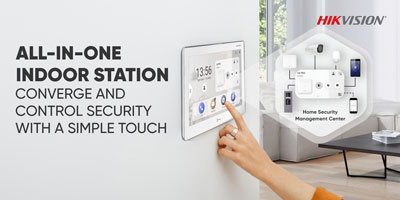
Front-door access control should start with a simple question: does someone inside need to verify who is outside before release? If yes, the project should seriously consider an intercom-capable path such as the DS-KV6124-WBE1 or DS-K1T502DBWX family. The installer also needs to decide whether the door is free during business hours, controlled full time, or changes mode between day and night.
What the Installer Needs to Confirm on Site
Front-door installs should start with the approach experience. The installer needs to know whether the door is visitor-facing, whether staff inside verify people before release, and how the door is meant to behave during business hours versus after hours.
- Confirm whether the front door is visitor-facing, staff-facing, or both, because that decides whether intercom belongs in the design.
- Check if the door should free-passage during trading hours, remain controlled all day, or change mode by schedule.
- Inspect the actual frame, latch, glazing, closer, and locking points so strike or maglock decisions are door-specific.
- Find out who answers and releases the door, and whether they expect to do that from a desk station, indoor monitor, or app.
- Plan secure routing for lock wiring, power supplies, relay hardware, and network rather than leaving the whole system on the public side of the wall.
What This Job Normally Requires
Most front doors need a whole workflow assembled: credential device or intercom, lock release, safe exit, door monitoring, and often a controller or software layer behind it. That is why front-door quotes should rarely be just one product line.
- Intercom-capable station or access terminal at the front door where visitor verification matters.
- Correct strike or maglock, safe egress, and door contact so the opening behaves consistently in real use.
- Controller layer if the front door also ties into staff doors, rear entries, or a wider tenancy workflow.
- Reliable network and UPS where the site expects remote release, logs, or stable operation through short outages.
- Clear day-mode or after-hours switching strategy built into the design rather than left as an ad hoc habit.
Programming, Testing, and Handover
Front-door commissioning should be done with the actual people who answer the door. The project is only complete when the visitor flow, staff flow, and after-hours behaviour are all understood by the client.
- Program business-hours mode, after-hours mode, call destinations, and unlock timing before final sign-off.
- Test visitor release, staff credential entry, denied entry, and safe egress in the real front-door workflow.
- Show the client how to review who entered and who released the door rather than leaving event review as an installer-only function.
- Confirm what happens if internet drops out or mains power fails so the client understands the resilience limits of the design.
- Leave the customer with a simple written description of the front-door operating modes and who can change them.
Software, Credentials, and Growth
On a small site, the front door may still be managed simply. On a larger tenancy or building, central software makes event review and user administration much easier, especially once the front door sits alongside rear or staff-only doors.
Common Mistakes to Avoid
- Start with the visitor and staff workflow.
- Decide whether intercom is part of the design, not an optional extra.
- Plan day mode versus after-hours mode clearly.
- Use the right lock and egress hardware for the actual door.
- Do not ignore how events will be reviewed later.
Recommended Direction
For public-facing front doors, start with intercom and verification. For private front doors, choose the simplest access layer that still matches the accountability needed.
Relevant SecurityWholesalers Product Areas
- Hikvision DS-KV6124-WBE1 - A strong front-door option where intercom, keypad, card, Bluetooth, and app unlock need to live in one device.
- Hikvision DS-K1T502DBWX - Useful when the project wants access control and intercom crossover in a tougher commercial package.
- Intercoms - Useful where visitor verification and door release need to sit in the same workflow.
- Door Strikes - Often the cleanest answer for hinged commercial doors when the latch and frame suit the hardware.
- Hikvision Access Control Base License Package - Useful when the site needs a proper software layer for users, schedules, event review, and central administration.
Related Guides in This Series
Source References
Frequently Asked Questions
-
What usually works best for front-door access control?
Visitor-facing front doors often need intercom plus access control rather than a plain standalone reader.
-
Is a simple standalone system enough for front-door access control?
Standalone can fit a private staff-only front door, but it is often too limited for a public-facing entrance.
-
When do logs really matter on front-door access control?
Logs matter when the site needs to review who entered, who released the door, or whether after-hours attempts occurred.
-
When does intercom or visitor verification matter here?
Intercom is often the defining factor on a front door because visitor verification changes the whole workflow.
-
What software usually makes sense?
Software becomes more important when the front door is part of a larger site, several staff groups, or a broader building-management workflow.
-
What is the most common buying mistake?
A common issue is treating a front door like a side storeroom entrance.
Plan this site door by door
Download the editable workbook, list every controlled opening, then email it with matching door photos to sales@securitywholesalers.com.au. Include the site suburb, installation requirement and target timing.
Review information
Content owner: SecurityWholesalers access control guide team. Revision: 17 July 2026. Use these examples as a starting point, then confirm the details against current product manuals, approved drawings and relevant authority requirements.
NCC access and egress | ACMA cabling requirements | OAIC biometric guidance | Access control definitions