














Informational
MIFARE vs DESFire vs Simple Cards and Fobs
Explainer Guide
What It Means
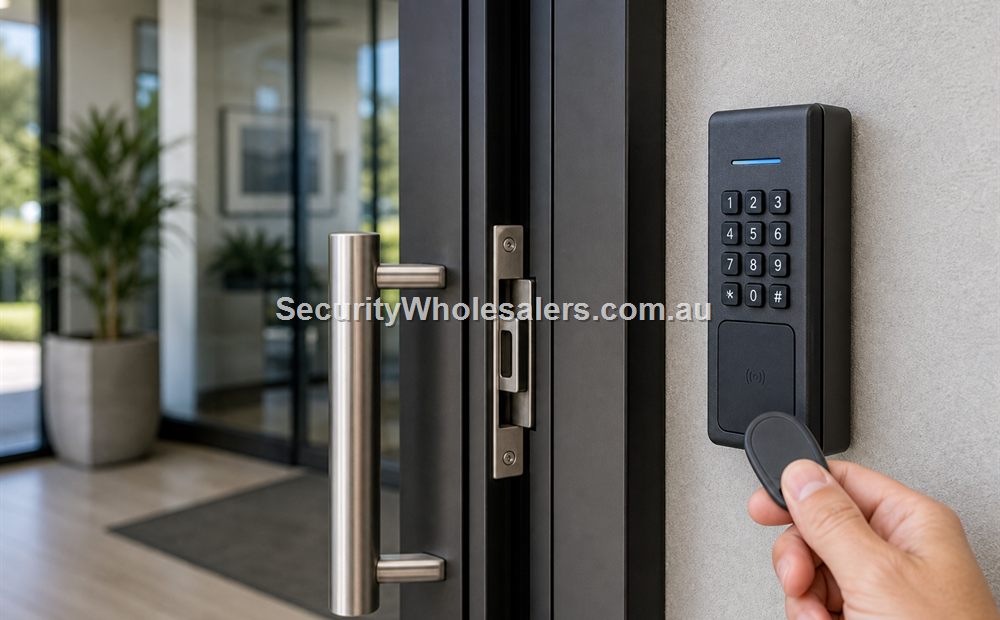
"Simple cards and fobs" usually refers to low-complexity credentials chosen mostly for convenience and low admin burden. MIFARE often sits as a more structured middle ground in real projects. DESFire-style thinking usually appears where the site wants a stronger modern credential path and is willing to design the system more deliberately around it. The right answer depends on the site's risk, size, and operational discipline.
Quick Comparison
| Credential Path | Usually Best For | Main Watch-Out |
|---|---|---|
| Simple cards and fobs | Lower-consequence sites prioritising convenience and low cost. | They can become a weak long-term choice if the site later expects tighter credential discipline. |
| MIFARE | Projects wanting a more structured reader-and-card path without pretending every site is an enterprise campus. | The whole reader and controller ecosystem still has to be planned deliberately. |
| DESFire-style path | Larger managed systems, higher-consequence sites, or projects deliberately choosing a stronger long-term credential approach. | It should be chosen intentionally and not dropped into a quote without matching reader, controller, and management decisions. |
How It Fits in Real Projects
A small single-door office with low staff turnover may be perfectly comfortable on a simple tag path. A strata building or school with long-term growth may want a more deliberate credential strategy so the reader layer does not need to be rethought later. A multi-tenant site or higher-consequence commercial building may want to move more clearly toward a modern structured credential path from the beginning.
What the Installer Should Confirm Before Quoting
- How sensitive is the site really, and what are the consequences of poor credential discipline?
- Is the project a fresh reader-and-controller build, or is it inheriting an existing credential ecosystem?
- How often are users added, removed, or replaced?
- Does the site want the cheapest card today, or the cleanest long-term platform for several years of growth?
- Are mobile credentials likely to enter the mix later, which may influence the credential strategy chosen today?
What People Usually Get Wrong
A common issue is making the decision entirely on card or fob cost. That is too narrow. The real question is how the site issues credentials, how easy the reader path is to manage, how cleanly lost credentials are replaced, and whether the building may want a stronger credential policy later. Cheap cards can become expensive when they force future reader or policy changes.
Useful Positioning Rule
If the client is already asking about larger scale, stricter audit expectations, or long-term building ownership, it is worth discussing credential strategy before the first reader is ordered. That conversation is harder once dozens of users already hold the first-generation credentials.
Relevant SecurityWholesalers Product Areas
- Access Control - Useful for readers, controllers, credentials, and the wider planning conversation around credential formats.
- Hikvision DS-K2702X-P - Relevant when a smaller logged system needs a cleaner controller-led credential path than simple door-only devices provide.
- Hikvision DS-K2704X - Useful where the credential conversation belongs inside a larger controller-based building design.
- Hikvision Access Control Base License Package - Relevant when the site wants a more structured software layer around credentials, users, and event review.
Related Guides in This Series
Source References
Frequently Asked Questions
-
What is the plain-English difference between these credential types?
They are different ways of identifying users, with different levels of simplicity, management discipline, and long-term security expectations.
-
Are simple cards and fobs always wrong?
No. They can still be acceptable on lower-consequence sites where convenience matters more than a highly structured credential strategy.
-
When is DESFire-style thinking more attractive?
It is more attractive when the site wants a stronger modern credential path, tighter administration, or a better long-term platform for larger managed systems.
-
Where does MIFARE usually sit in the conversation?
MIFARE often appears in the middle of the discussion where the project wants more structure than simple low-complexity credentials but is also working inside an existing reader ecosystem.
-
What is the most common buyer mistake here?
A common issue is focusing only on the card price instead of asking how the credential choice affects reader compatibility, cloning risk, issuance workflow, and future upgrades.
-
Which related guide should I read next?
Read the keypad versus card reader versus face recognition guide next, then the anti-passback and mobile credentials explainers.
Review information
Content owner: SecurityWholesalers access control guide team. Revision: 17 July 2026. Use these examples as a starting point, then confirm the details against current product manuals, approved drawings and relevant authority requirements.
NCC access and egress | ACMA cabling requirements | OAIC biometric guidance | Access control definitions