













Informational
Mobile Credentials, Bluetooth, QR, and Phone Entry
Explainer Guide
What It Means
Phone-based entry methods let the mobile device become part of the access workflow. Sometimes the phone acts like a credential near the reader. Sometimes it is the remote release tool for staff inside. Sometimes it carries a temporary visitor token. These all sit under the same broad conversation, but they are not interchangeable.
Text Diagram: Different Phone-Entry Paths
[Bluetooth phone credential] --> User is at the door --> Reader / terminal checks rule --> Door unlocks

[QR or temporary token] -----> Visitor arrives -------> Terminal checks validity -----> Door unlocks

[App / intercom release] ----> Staff answers remotely -> Staff approves -------------> Door unlocks
How the Options Usually Break Down
| Method | Usually Best For | Main Watch-Out |
|---|---|---|
| Bluetooth or app-based proximity entry | Residents, staff, or regular users who do not want to carry extra tags. | The site still needs a fallback for staff without phones, flat batteries, or visitors. |
| QR or temporary phone-based entry | Visitors, contractors, short-term users, or controlled appointment workflows. | The admin process has to be as clear as the reader feature itself. |
| Remote release from an app or intercom workflow | Front desks, clinics, apartment entries, and other visitor-facing doors. | The site has to decide who is allowed to release the door and how those events are reviewed later. |
How It Fits in Real Projects
Phone entry makes the most sense where card handling is annoying, visitor turnover is real, or the site wants a cleaner digital workflow. A medical centre front door may suit a combined intercom and app-release path. A gym may want member entry that reduces tag distribution. A small office may want Bluetooth convenience for staff but still keep a keypad or card fallback. An apartment entry may want residents on a phone path while visitors still use intercom.
What the Installer Should Confirm Before Quoting It
- Is the site asking for phone convenience for regular users, phone-based visitor handling, or both?
- What is the fallback path if a phone is unavailable, uncharged, replaced, or not permitted?
- Does the opening also need intercom, video verification, or only credential entry?
- Who issues, revokes, and audits the phone-based rights?
- Is the client comfortable with the admin and software layer behind the feature, not just the unlock animation at the door?
What People Usually Get Wrong
The common mistake is thinking the phone feature replaces the rest of the access design. It does not. You still need the right lock, egress path, controller or terminal logic, and a clean management workflow. Another mistake is failing to decide whether the phone is for staff, visitors, residents, or all three. Those are different operational models.
Good Positioning Rule
If a site keeps saying "we want people to use their phones," keep asking who those people are. Staff, residents, visitors, contractors, and cleaners usually need different paths even when the same device is mounted on the wall.
Relevant SecurityWholesalers Product Areas
- Intercoms - Useful where phone-led release is part of a visitor workflow rather than just a staff credential workflow.
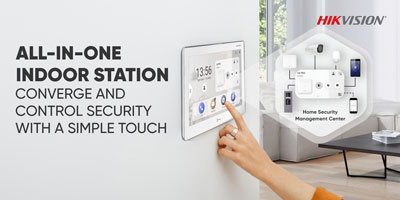
- Hikvision DS-KV6124-WBE1 - A strong choice where intercom, keypad, card, Bluetooth, and app unlock need to live together at a front door.
- Hikvision DS-K1T502DBWX - Useful when the site wants a tougher commercial entry device with intercom and credential crossover in one terminal.
- Hikvision Access Control Base License Package - Relevant where the phone feature is part of a bigger management layer rather than a one-off convenience device.
Related Guides in This Series
Source References
Frequently Asked Questions
-
What do mobile credentials mean in plain English?
They let the phone become part of the entry workflow instead of relying only on a card, tag, or fixed keypad code.
-
Are Bluetooth, QR, and app unlock all the same thing?
No. They are related phone-based entry methods, but they solve different problems such as proximity entry, temporary visitor entry, or remote release.
-
Where do these methods fit best?
They fit well at front doors, gyms, small offices, medical centres, apartment entries, and other sites that want less card handling or easier temporary access.
-
What is the main installer risk with phone entry jobs?
The main risk is quoting the phone feature without confirming the admin workflow, visitor workflow, fallback credential path, and network expectations behind it.
-
Should the site still keep cards, tags, or PINs as a backup?
Often yes, because cleaners, contractors, reception staff, and lockout scenarios may still need a fallback path.
-
Which related guide should I read next?
Read the access control versus intercom guide next, then the front-doors guide if the phone workflow is visitor-facing.
Review information
Content owner: SecurityWholesalers access control guide team. Revision: 17 July 2026. Use these examples as a starting point, then confirm the details against current product manuals, approved drawings and relevant authority requirements.
NCC access and egress | ACMA cabling requirements | OAIC biometric guidance | Access control definitions