












Dahua TiOC vs Hikvision LiveGuard
Comparison
Main practical difference
| Comparison point | Dahua TiOC | Hikvision LiveGuard |
|---|---|---|
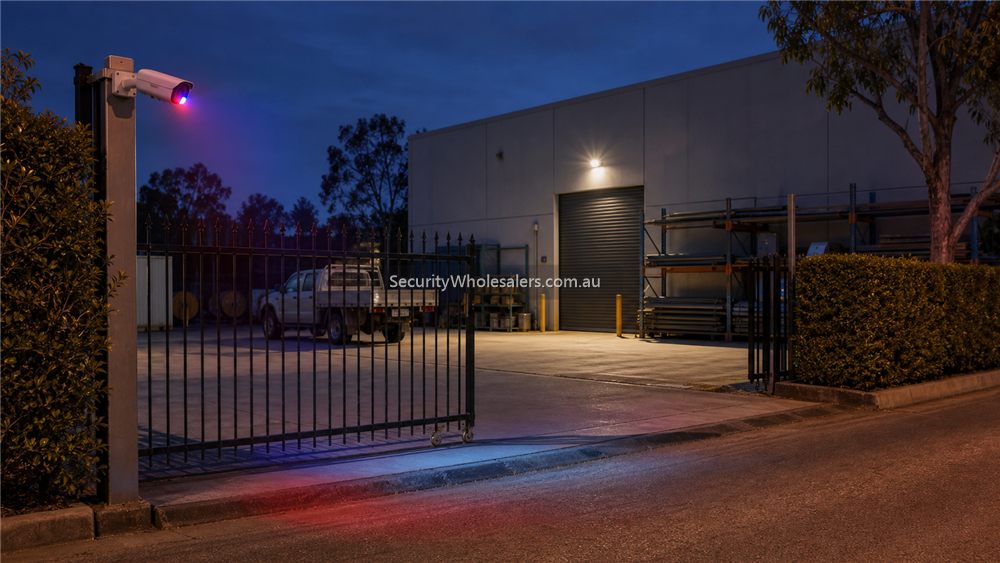
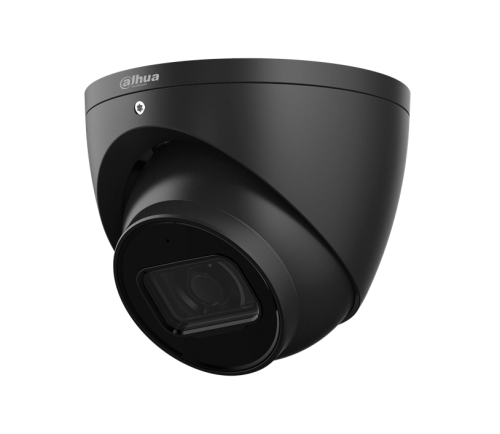
| Core role | Active deterrence camera with warning lights, speaker, microphone, and AI-backed response options. | Active deterrence path inside Hikvision's AcuSense and ColorVu ecosystem with strobe and audio on selected models. |
| Typical fit | Rear doors, vulnerable side lanes, gates, loading aprons, and repeated after-hours nuisance activity. | Similar risk points, especially where the site is already standardised on Hikvision recorders and cameras. |
| Low-light style | Often paired with TiOC 2.0 or WizColor-style deterrence behaviour depending on model. | Usually tied to LiveGuard plus Smart Hybrid Light or ColorVu behaviour depending on the specific Hikvision camera. |
| System fit | Strong where the rest of the site is already Dahua and the buyer wants DMSS, Dahua NVR, and TiOC logic in one stack. | Strong where the rest of the site is already Hikvision and the operator wants one recorder and app ecosystem. |
Where the choice usually becomes clear
If the buyer is already using Dahua NVRs, cameras, and remote viewing, TiOC is often the cleaner answer because the deterrence logic stays in one ecosystem. The same applies the other way around for Hikvision LiveGuard when the rest of the site is already Hikvision. Mixed-brand deterrence jobs can work, but they often create unnecessary support complexity around app use, search, and event handling.
If the project is brand-neutral, then the decision is usually driven by the exact camera shape, lens path, low-light expectations, and the recorder platform the operator will actually review later. That means the better camera on paper is not always the better system choice.
Sample scenarios
Example: a small trade-supply yard with one front gate, one side gate, and one rear roller-door entry may suit Dahua TiOC if the owner is already running a Dahua NVR and wants those three high-risk scenes to carry warning lights and audio at night while the rest of the yard stays on standard fixed cameras.
Example: a pharmacy chain adding one upgraded after-hours camera to a Hikvision site usually makes more sense on LiveGuard if the branch already has Hikvision NVRs, AcuSense filtering, and managers using Hik-Connect. The best answer there is often not changing brands. It is choosing the right deterrence scene within the existing system.
What to be careful with
- Do not assume every exterior camera should be a deterrence camera. Many scenes are better left on quieter IR or low-light models.
- Check whether the scene can actually benefit from visible warning. Some sites have neighbours, shared lanes, or reflective walls that make a strobe a poor fit.
- Check recorder and app workflow. The operator needs a simple way to review the event later, not just a dramatic light at the time.
- Check mounting distance. A speaker and light are less useful if the target area is too far away or badly angled.
Active deterrence comparison checklist
Dahua TiOC and Hikvision LiveGuard-style systems are often compared because both can warn, illuminate and filter events. The better buying question is whether active deterrence is appropriate at the chosen position.
- Will a warning light or audio message be acceptable at night?
- Is the camera facing a private risk area or a public/customer area?
- Can detection zones be tuned to reduce nuisance warnings?
- Does the site need deterrence, or would a calmer evidence camera be better?
- Is the owner already using one brand ecosystem?
When both brands can technically do the job, the final choice usually comes down to product availability, recorder ecosystem, installer familiarity and the rest of the system design.
Relevant SecurityWholesalers Categories and Products
These Dahua and Hikvision reference points are useful because they show the type of fixed deterrence cameras buyers usually compare on SecurityWholesalers.
- Dahua TiOC 2.0 cameras - The main Dahua active-deterrence category on SecurityWholesalers.
- Dahua TiOC 2.0 8MP kits - Useful where the buyer wants a pre-matched TiOC kit path.
- Hikvision LiveGuard reference camera - A current Hikvision LiveGuard reference point for comparison.
- Hikvision LiveGuard 16-channel kit - Useful where the buyer is comparing a full deterrence kit path rather than a single camera.
Sources and Further Reading
How to choose between active deterrence ecosystems

| Question | Dahua TiOC thinking | Hikvision LiveGuard thinking |
|---|---|---|
| Is the site already Dahua or Hikvision? | Stay Dahua if the recorder/app path is already Dahua. | Stay Hikvision if Hik-Connect, NVRs or AX PRO are in play. |
| Is warning acceptable here? | Use only on selected after-hours scenes. | Same: deterrence should be scheduled and deliberate. |
| Does the buyer need broader integration? | Dahua is strong for CCTV-led jobs. | Hikvision may fit better where alarm/intercom/access are central. |
Frequently Asked Questions
-
Is Dahua TiOC the same idea as Hikvision LiveGuard?
Broadly yes. Both are active-deterrence camera paths that combine video with visible warning and audio, but they sit inside different ecosystems and can behave differently depending on model, app, and recorder path.
-
Which is better for a new site, TiOC or LiveGuard?
Usually the one that best matches the rest of the system. On a new brand-neutral site, the decision normally comes down to the preferred recorder ecosystem, the specific camera model, and whether the low-light behaviour suits the scene.
-
Should every perimeter camera be a TiOC or LiveGuard camera?
Usually no. Most sites only need active deterrence on the higher-risk scenes. The rest of the cameras are often better kept on quieter fixed or low-light models.
-
Does active deterrence replace proper review footage?
No. The camera still needs a clean angle, usable night performance, and a recorder path the operator can review later.
-
Is brand consistency important on deterrence jobs?
Yes. It often makes support, app use, search, and event review much simpler if the deterrence camera matches the rest of the recorder ecosystem.
-
Which related page helps after this one?
Usually the TiOC buying guide or the Hikvision LiveGuard-related Hikvision camera pages, depending on which brand is still in the running.
Related Pages
Dahua TiOC Cameras Buying Guide
Choose TiOC for the scenes that benefit from deterrence rather than forcing it across the whole site.
Dahua WizColor vs Hikvision ColorVu
Compare Dahua WizColor and Hikvision ColorVu by scene, not just by low-light buzzwords.
Dahua DMSS Setup and Troubleshooting
Use a structured checklist for Dahua DMSS setup and the common faults that stop it working properly.
Dahua CCTV Buying Guide
Start here to decide which Dahua branch matters before diving into camera, PTZ, NVR, or use-case pages.