

















Dahua 3849 Active Deterrence Cameras Explained
Model Class
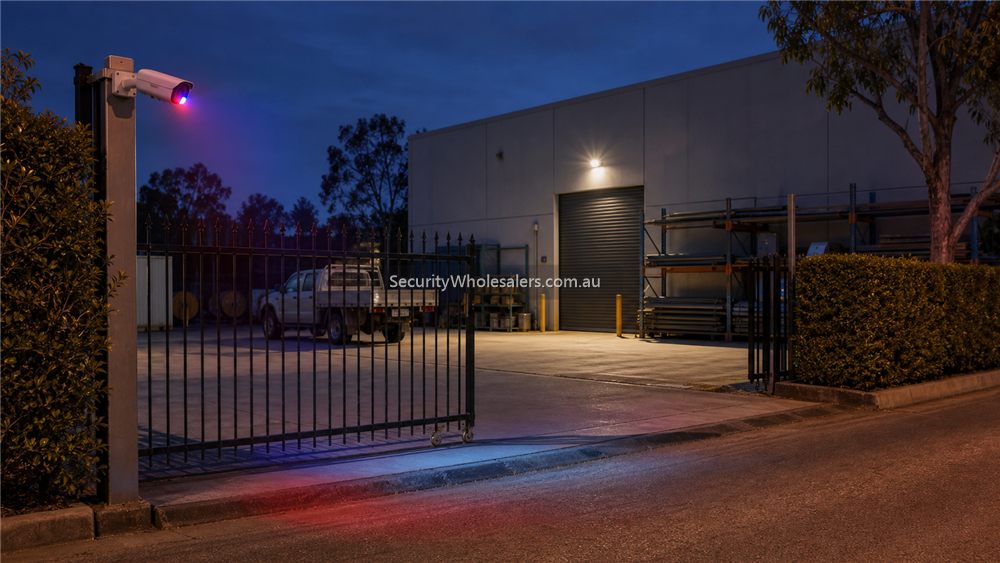
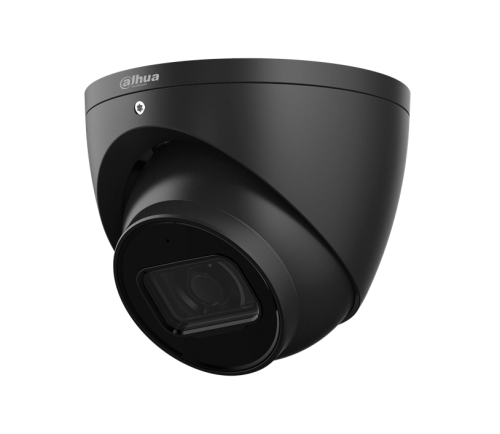
What 3849-class Dahua cameras are usually solving
This class is usually being shortlisted for a high-risk gate, side lane, remote entry, workshop apron, or other external scene where the owner wants more than standard footage. The extra value comes from combining stronger low-light behaviour with a more assertive deterrence package on a camera that is still fixed to a known view.
Sample scenarios
Example: a mechanic's workshop with repeated after-hours trespass near the rear roller door may suit a 3849-class deterrence camera because the scene is narrow, known, and worth actively warning on.
Example: a broad open customer car park may not suit the same camera nearly as well if the coverage task is too wide and the deterrence trigger would become noisy or unhelpful.
How it differs from a simpler low-light camera
- It is more assertive about warning behaviour.
- It usually deserves to be installed more selectively.
- It is usually chosen for a specific after-hours risk scene rather than general broad coverage.
- It still needs correct recorder, analytics, and placement planning to be useful later.
Where active deterrence belongs
Active deterrence is strongest when the camera watches a boundary, rear lane, loading door, driveway or stock area where an immediate warning is useful. It is weaker when placed in a normal customer-facing area, a tight residential boundary or anywhere the warning light and audio will become a nuisance.
| Good fit | Be careful |
|---|---|
| Rear business entry after hours. | Outdoor dining areas or busy public footpaths. |
| Driveway or side access with clear private boundary. | Neighbour-facing side paths and bedroom windows. |
| Warehouse yard, bin cage or stock cage. | Indoor customer spaces where warnings feel aggressive. |
Commissioning matters
- Set detection zones tightly around the area that genuinely matters.
- Test at night, not just during daytime installation.
- Use audio warnings sparingly and in a way that suits the site.
- Explain to the owner how to adjust sensitivity if the environment changes.
- Pair deterrence cameras with fixed evidence cameras where proof matters.
Who should not choose a 3849-style active deterrence camera
Do not choose an active deterrence camera simply because it sounds tougher. If the scene is a quiet entry, a shared boundary, a public footpath or a customer-facing area, the warning features may create more irritation than value. In those positions, a calmer WizSense or Smart Dual Light path can be more professional.
The 3849-style path is strongest where the buyer can clearly say: this is the area where I want the camera to warn someone away. If that sentence feels awkward for the location, choose a different camera behaviour.
Relevant SecurityWholesalers Categories and Products
These products and categories are useful because they represent the stronger Dahua deterrence path many buyers ask about specifically.
- DH-IPC-HDW3849H-AS-PV-PRO-ANZ - A strong current 3849-class Dahua deterrence reference point.
- Dahua TiOC 2.0 cameras - The broader Dahua deterrence category around this model class.
Sources and Further Reading
Active deterrence handover checklist
- Show the owner how the camera behaves during the day and at night.
- Confirm which events trigger light, audio or notifications.
- Document the detection zone so it can be adjusted later.
- Explain how to reduce nuisance triggers caused by trees, pets, passing traffic or public footpaths.
- Confirm that neighbours and staff will not be unreasonably affected by warning behaviour.
This handover step is what separates a useful deterrence camera from a camera that gets disabled after a week because it annoys everyone.
Frequently Asked Questions
-
What is a 3849-class Dahua camera usually used for?
Usually for selected higher-risk external scenes where the site wants stronger deterrence as well as footage.
-
Is a 3849 camera the right choice for every night scene?
Usually no. It is better used selectively on the scenes that genuinely justify it.
-
How is it different from a basic low-light turret?
It is usually chosen for a more assertive deterrence role rather than just cleaner passive night recording.
-
What should the installer confirm first?
Whether the target scene is narrow and deliberate enough for the deterrence features to be useful.
-
Which related page helps next?
Usually the TiOC buying guide or the TiOC vs LiveGuard comparison page.
Related Pages
Dahua TiOC Series Buying Guide
Choose the broader TiOC branch properly before narrowing down to one 3849-class model.
Dahua TiOC vs Hikvision LiveGuard
Compare Dahua TiOC and Hikvision LiveGuard on real deterrence use rather than brand preference.
How to Choose a Dahua Camera
Work through the real camera-selection questions rather than chasing Dahua model numbers too early.
Dahua CCTV Buying Guide
Start here to decide which Dahua branch matters before diving into camera, PTZ, NVR, or use-case pages.
Authority upgrade: how to apply this Dahua choice
The strongest Dahua buying advice is not just naming the product family. It is matching the family to the scene: WizSense for filtering, WizColor for useful colour at night, TiOC for active deterrence, Pro or higher tiers for stronger commercial work, and thermal only where heat, darkness or detection distance are the real problem.
| Buyer says | Usually compare first | Do not overbuy |
|---|---|---|
| We need fewer false alerts. | WizSense camera and NVR path. | Do not expect analytics to fix poor mounting or busy backgrounds. |
| Night colour matters. | WizColor or full-colour branch. | Do not use it where the scene is already evenly lit and simple. |
| We want to warn people away. | TiOC or alarm plus CCTV. | Do not place warning audio where it will bother neighbours or customers. |
| We have heat, fire or perimeter detection issues. | Dahua thermal or specialist branch. | Do not use thermal as a replacement for normal identification cameras. |
Product comparison path
Dahua camera range
Use the live range to compare fixed turrets, bullets, TiOC, low-light and commercial camera branches.
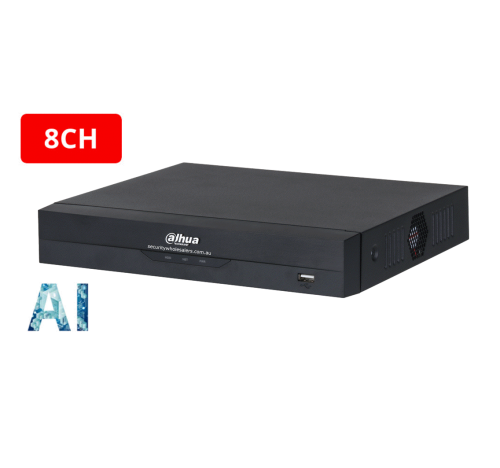
Dahua NVRs
Choose the recorder around channel count, AI support, storage, PoE budget and review workflow.
Frequently asked questions
Is Dahua better for every site?
No. Dahua is a strong commercial option, but the right choice depends on ecosystem, installer preference, product availability and the exact scene.
What is the most common Dahua mistake?
Choosing by feature name instead of matching the camera branch to the scene and testing it at night.