












Dahua Camera Series Explained
Technology Hub
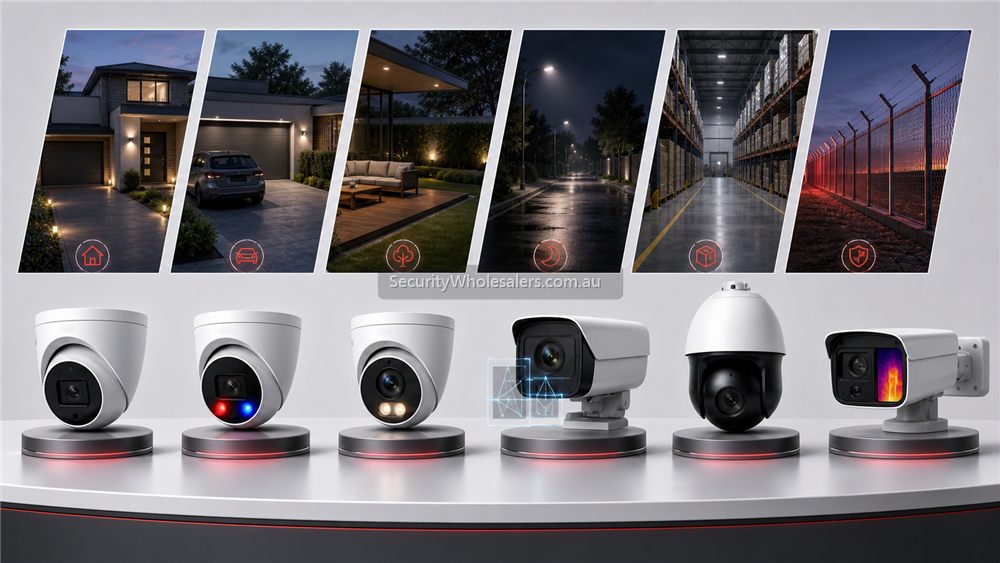
Use this page as the chooser
If you are not sure whether the site is mainly a normal AI job, a night-colour job, a deterrence job, or a specialist thermal job, start here and then jump into the technology guide that fits.
The Dahua technology families that matter most
| Technology | Usually strongest for | Read next |
|---|---|---|
| WizSense | Mainstream business CCTV with useful human and vehicle filtering | Dahua WizSense Cameras Buying Guide |
| TiOC | Scenes that benefit from visible deterrence as well as recording | Dahua TiOC Cameras Buying Guide |
| WizColor | Entries, driveways, lanes, and business scenes where night-time colour is the real requirement | Dahua WizColor Cameras Buying Guide |
| PRO Series | Sites asking for stronger search, recorder intelligence, or premium branch features | Dahua Pro Series Cameras Buying Guide |
| Thermal | Perimeter, harsh-environment, and fire-risk applications that normal CCTV does not solve well enough | Dahua Thermal Cameras Buying Guide |
| PTZ | Broader yards, forecourts, and overview roles | Dahua PTZ Buying Guide |
Technology chooser cards
WizSense
Start here for most shops, offices, schools, warehouses, childcare centres, and small-business CCTV jobs.
TiOC
Use this when the site wants the camera to warn as well as watch on selected external risk points.
WizColor
Use this when night-time colour quality is the real question rather than generic AI.
Pro Series
Use this when the recorder, search workflow, or premium feature set is becoming a major buying factor.
Thermal
Use this when the site has a specific detection, heat, or harsh-environment problem that ordinary CCTV does not solve.
PTZ
Use this when fixed cameras are not enough and the site genuinely needs a live-movement or overview branch.
How buyers usually move through the Dahua range
Most buyers should not begin with PRO or Thermal. They should begin by asking whether the site is just a normal fixed-camera job, then whether any scenes need better low-light colour, then whether any scenes need active deterrence, and only after that whether the recorder or analytics path is becoming heavier.
That is why many real Dahua projects start mostly in WizSense, then branch into one or two WizColor or TiOC cameras, and only move toward PRO or thermal if the scene or search workflow demands it.
Current SecurityWholesalers Dahua technology paths
These technology paths were checked against SecurityWholesalers during this guide refresh on 29 May 2026.
Fastest shortlist by buyer type
| If the buyer says⦠| Usually start here | Why |
|---|---|---|
| "I just want a good Dahua business system." | WizSense | Most everyday Dahua jobs still live here. |
| "I want the camera to warn people off." | TiOC | Deterrence is the real brief, not just clearer footage. |
| "I care about colour at night." | WizColor | This is the colour-led low-light branch. |
| "I need better search and smarter review." | Pro Series | The recorder and AI workflow are becoming the main decision. |
| "I have a perimeter or heat-risk problem." | Thermal | This is already outside normal everyday CCTV. |
What to read next
How to Choose a Dahua Camera
Use this once you know which family belongs in the shortlist and now need to pick lens, form factor, and resolution.
How to Choose a Dahua NVR
Use this when the camera family is known but the recorder path is still unclear.
Dahua WizSense vs WizMind
Use this when the job is starting to drift into a higher recorder or analytics tier.
Real quote scenarios
| Scenario | Typical Dahua path | Why this design works |
|---|---|---|
| Small retail or cafe | 4 to 8 WizSense fixed cameras with an 8-channel NVR, entry, counter, rear door and stockroom views. | Human/vehicle filtering and simple playback matter more than high-end analytics everywhere. |
| Warehouse or trade supplier | 12 to 16 cameras, 16 or 32-channel NVR, motorised or stronger low-light cameras on docks, TiOC on after-hours edges. | Matches camera families to scene difficulty: fixed evidence inside, deterrence outside, storage headroom for growth. |
| Yard or depot with repeated intrusion | 16+ cameras, TiOC or alarm-supported perimeter points, PTZ only for active overview, and clear notification workflow. | Dahua features only pay off when alerts, deterrence and review are configured around a real response plan. |
Authority upgrade: how to apply this Dahua choice
The strongest Dahua buying advice is not just naming the product family. It is matching the family to the scene: WizSense for filtering, WizColor for useful colour at night, TiOC for active deterrence, Pro or higher tiers for stronger commercial work, and thermal only where heat, darkness or detection distance are the real problem.
| Buyer says | Usually compare first | Do not overbuy |
|---|---|---|
| We need fewer false alerts. | WizSense camera and NVR path. | Do not expect analytics to fix poor mounting or busy backgrounds. |
| Night colour matters. | WizColor or full-colour branch. | Do not use it where the scene is already evenly lit and simple. |
| We want to warn people away. | TiOC or alarm plus CCTV. | Do not place warning audio where it will bother neighbours or customers. |
| We have heat, fire or perimeter detection issues. | Dahua thermal or specialist branch. | Do not use thermal as a replacement for normal identification cameras. |
Product comparison path
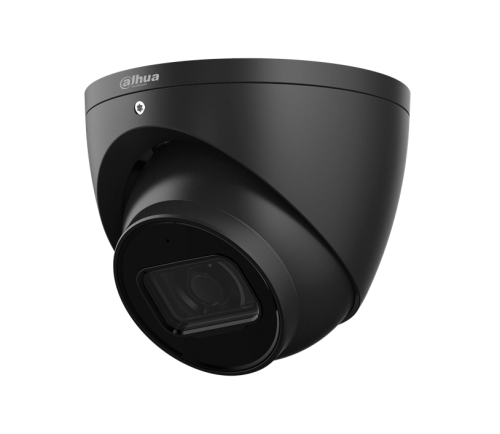
Dahua camera range
Use the live range to compare fixed turrets, bullets, TiOC, low-light and commercial camera branches.
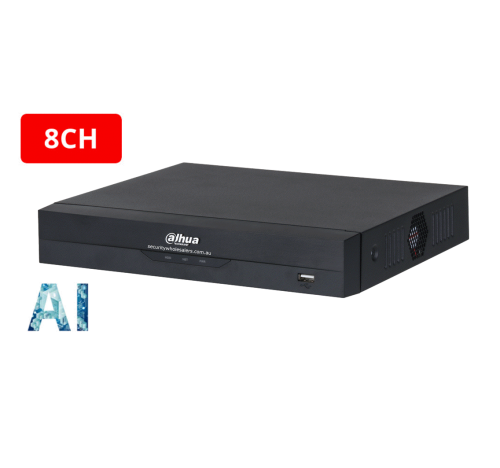
Dahua NVRs
Choose the recorder around channel count, AI support, storage, PoE budget and review workflow.
Frequently asked questions
Is Dahua better for every site?
No. Dahua is a strong commercial option, but the right choice depends on ecosystem, installer preference, product availability and the exact scene.
What is the most common Dahua mistake?
Choosing by feature name instead of matching the camera branch to the scene and testing it at night.