











Dahua Thermal Cameras Buying Guide

Thermal should not be treated as a luxury add-on for ordinary CCTV. It belongs on sites that have a real perimeter detection problem, a harsh environmental problem, or a heat-risk monitoring problem that visible-light cameras do not solve well enough by themselves.
Thermal

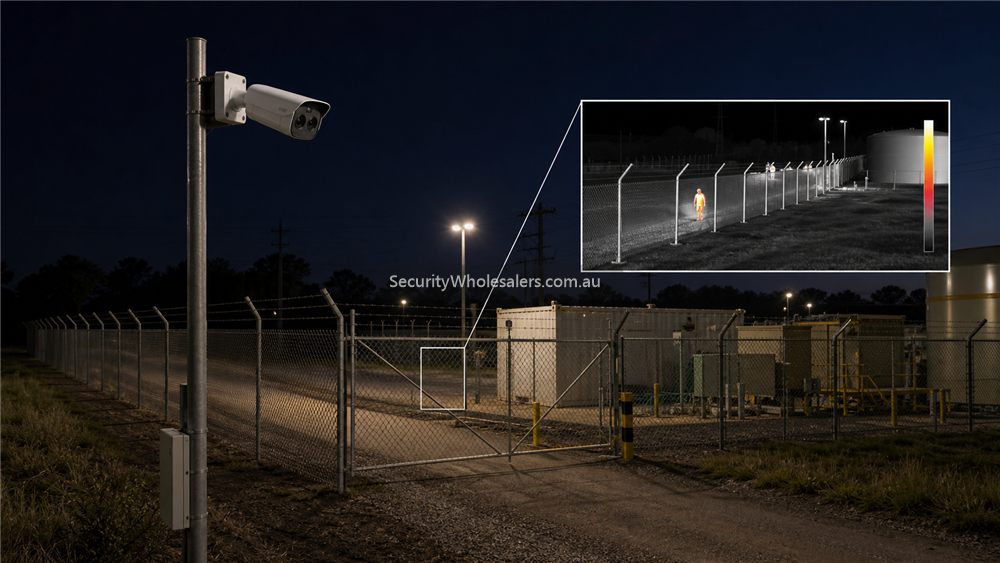
Dahua thermal camera style perimeter detection scene at fence line
Thermal is a specialist detection layer for perimeter, heat-risk and difficult lighting scenes. It should usually support visible-light evidence cameras, not replace them.

Quick answer

If the site mainly wants better everyday identification, do not jump to thermal. If it needs early heat awareness, perimeter detection in harsh scenes, or a hybrid thermal-plus-visible path, then thermal becomes worth discussing.

1. What are Dahua thermal cameras?

Dahua thermal cameras are specialist cameras that detect heat differences rather than relying only on normal visible-light imaging. In security work, they are often used as a complementary layer alongside visible-light cameras, not as a full replacement for ordinary CCTV review.

2. Key benefits of Dahua thermal

  • Detection in difficult conditions: useful where darkness, glare, haze, smoke, dust, or other environmental issues weaken visible-light performance.
  • Heat-risk monitoring: relevant where abnormal heat or early fire risk matters, such as plant or selected industrial scenes.
  • Perimeter use: useful where the real job is detecting presence over distance rather than reading facial detail.

3. Recommended thermal use cases

Perimeter security

Use thermal where the site needs more reliable target detection than ordinary visible-light CCTV can provide in a difficult perimeter scene.

Heat and fire risk

Use thermal where the site is not only watching for movement but also wants abnormal heat awareness.

Harsh industrial scenes

Use thermal when the environment itself is part of the problem and the visible-light camera alone is not enough.

4. Types of Dahua thermal cameras

Type Usually best for Common caution
Hybrid thermal eyeball Smaller thermal security jobs that still want a visible-light companion view Do not treat the visible-light side as the whole answer if the thermal side is the real reason for the quote
Compact thermal camera Plant, heat, and specialist industrial monitoring jobs Confirm the actual heat or range requirement before quoting
Bispectral path Larger or more demanding security and heat-monitoring scenes Needs much clearer application design than normal CCTV

5. Choose thermal by application

  • Perimeter detection: confirm target size, scene width, range, and what the site wants to do after detection.
  • Heat monitoring: confirm whether the site wants alarm linkage, operator response, or just investigation support.
  • Hybrid security: confirm how the thermal and visible-light views will be reviewed together later.

6. Installation tips

  • Thermal should start with the application, not the camera box.
  • Mounting angle, range, target size, and environment matter more here than on ordinary fixed CCTV.
  • Thermal alarms are only useful if they feed into a response workflow the operator will actually use.

7. Compatible recorders and integration

Thermal jobs often become recorder-and-response jobs. Check recorder compatibility, storage expectations, event handling, and whether the operator is using thermal for security, plant monitoring, or both. A thermal branch that cannot be reviewed properly later is usually poorly scoped.

8. Current Dahua thermal reference paths on SecurityWholesalers

These are useful current Dahua reference paths on SecurityWholesalers as checked during this guide refresh on 29 May 2026.

When thermal is the wrong recommendation

Thermal cameras are powerful, but they are not normal camera upgrades. They do not replace a visible-light camera when the buyer needs faces, colours, number plates or familiar visual detail. Thermal is strongest when the job is detection across darkness, harsh lighting, smoke/dust-like conditions or perimeter activity where heat contrast matters more than visual identity.

  • Do not use thermal as the only camera at an entry where face evidence matters.
  • Do not sell it as a general low-light colour solution.
  • Do consider it for perimeter, large yards and specialist heat-risk or intrusion applications.
  • Pair it with visible cameras where identification is required after detection.

What to read next

Dahua CCTV Buying Guide

Return to the Dahua hub if you need to step back and check whether thermal really belongs in the shortlist.

How to Choose a Dahua Camera

Use the general camera page if the project may still be better solved with ordinary IP CCTV.

Dahua for Warehouses

Useful when the thermal conversation is tied to an industrial or warehouse site rather than a generic perimeter idea.

Dahua Pro Series Cameras Buying Guide

Use this if the site is also drifting into a heavier recorder or project-led Dahua branch.

Authority upgrade: how to apply this Dahua choice

The strongest Dahua buying advice is not just naming the product family. It is matching the family to the scene: WizSense for filtering, WizColor for useful colour at night, TiOC for active deterrence, Pro or higher tiers for stronger commercial work, and thermal only where heat, darkness or detection distance are the real problem.

Buyer says Usually compare first Do not overbuy
We need fewer false alerts. WizSense camera and NVR path. Do not expect analytics to fix poor mounting or busy backgrounds.
Night colour matters. WizColor or full-colour branch. Do not use it where the scene is already evenly lit and simple.
We want to warn people away. TiOC or alarm plus CCTV. Do not place warning audio where it will bother neighbours or customers.
We have heat, fire or perimeter detection issues. Dahua thermal or specialist branch. Do not use thermal as a replacement for normal identification cameras.

Product comparison path

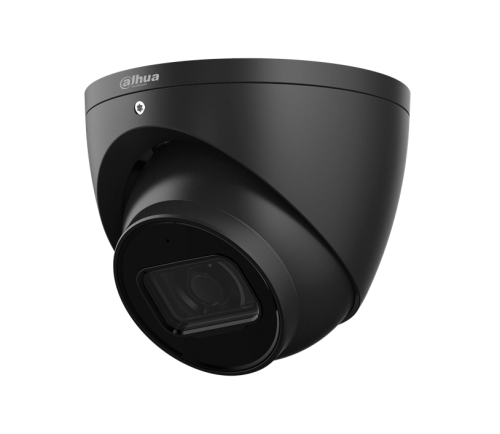
Dahua turret camera from SecurityWholesalers

Dahua camera range

Use the live range to compare fixed turrets, bullets, TiOC, low-light and commercial camera branches.
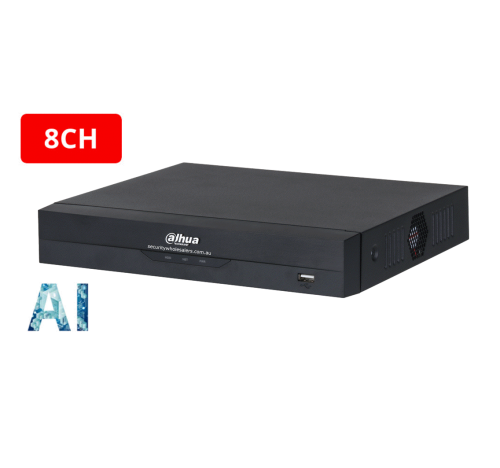
Dahua NVR from SecurityWholesalers

Dahua NVRs

Choose the recorder around channel count, AI support, storage, PoE budget and review workflow.

Thermal plus visible-light design

The strongest thermal designs often use thermal for detection and visible-light cameras for identification. For example, thermal may detect movement along a dark perimeter, while a standard or low-light camera covers the gate, driveway or doorway where the person or vehicle must pass. This gives the buyer the strength of thermal without pretending it can do every job alone.

Thermal role Visible camera role
Detect movement across a dark perimeter. Capture usable detail at gate or entry choke point.
Reduce dependence on normal lighting. Show clothing, colour, faces or vehicle detail where needed.
Support specialist detection use cases. Provide familiar footage for operators and incident reports.

Dahua buying scenarios that make the range easier

Small cafe or shop: 6 to 8 fixed cameras, an 8-channel or 16-channel NVR depending on growth, entry and counter evidence first, rear door second, then TiOC only where a warning response is acceptable after hours.

Small business warehouse: 10 to 16 cameras, 16-channel NVR, fixed evidence views at roller doors and dispatch, WizSense for efficient human/vehicle review, and PTZ only if someone benefits from live overview.

Farm or remote property: start with recorder placement, power, internet and wireless link planning. Dahua cameras can work well, but the design lives or dies on cabling, links, weather exposure and who will review footage remotely.

Higher-risk commercial site: use WizMind, PTZ, thermal or TiOC only where they solve a named operational problem. The best Dahua projects do not buy every premium feature everywhere; they assign each feature to a scene.

Dahua project checklist

  • Choose the NVR for final channel count and retention, not just the first camera stage.
  • Separate fixed evidence cameras from PTZ overview cameras.
  • Use TiOC where deterrence is useful and acceptable, not where neighbours or customers will hate it.
  • Use WizColor or Full-color where night colour matters and lighting supports the result.
  • Use thermal for detection or heat-risk monitoring, not as a normal camera upgrade.
  • Test DMSS live view, playback and account ownership at handover.

Quote worksheet for this Dahua decision

A useful quote for Dahua Thermal Cameras Buying Guide should name the exact scene first, then the product family. The conversation changes depending on whether the view is a doorway, counter, rear lane, warehouse dock, driveway, stockroom, yard or perimeter, because each one needs a different balance of detail, lighting, recorder support and review workflow.

Question Why it changes the Dahua choice
Is this view for evidence or overview? Evidence points need stable fixed cameras; overview may justify wider lenses or PTZ support.
Will the site review footage often? Frequent review makes NVR search workflow more important.
Does the site need night colour? WizColor, Full-color or Smart Dual Light should be chosen by the scene, not by the brochure.
Is warning behaviour acceptable? TiOC is useful only where strobe/audio will not create nuisance or customer issues.
Will the site expand? NVR channels, HDD bays and PoE headroom should be chosen for the finished system.

Better buying habit

Do not buy Dahua Thermal Cameras Buying Guide by model number alone. Match the model to mounting position, lighting, lens width, recorder path and review workflow. A simpler camera in the right place will often beat a premium device installed too high, too wide or without enough recorder support.

Frequently asked questions

Is Dahua better for every site?

No. Dahua is a strong commercial option, but the right choice depends on ecosystem, installer preference, product availability and the exact scene.

What is the most common Dahua mistake?

Choosing by feature name instead of matching the camera branch to the scene and testing it at night.

Dahua site-specific buying worksheet

A good Dahua Thermal Cameras Buying Guide recommendation should start with the real scene before selecting the Dahua branch. The buyer should be able to explain what the chosen camera or recorder proves, why it belongs in that position, and which feature would be unnecessary on this particular site.

Scenario Better design choice Buyer watch-out
Small site Protect the highest-risk doors and vehicle paths first Avoid filling the quote with features before evidence views are solved
Medium site Plan NVR channels, storage and user access for growth Do not fill every channel on day one
Complex site Document zones, permissions and support responsibilities Hardware without a workflow becomes hard to operate

Questions to ask before ordering

  • Which view must identify a person, vehicle or event, and which view is only for context?
  • What night behaviour is acceptable for this exact location?
  • Does the recorder support the final channel count, retention target and search workflow?
  • Who owns DMSS/app access and who can export footage after handover?
  • Which Dahua feature would be wasted on this site, and which one genuinely changes the outcome?

Dahua Thermal Cameras Buying Guide: practical depth notes

Dahua Thermal Cameras Buying Guide should help the buyer choose between Dahua branches without turning the page into a model-number maze. The practical order is scene first, then feature family, then recorder, then model.

For this page, the useful buying question is where distance, overview, response workflow and installation conditions matter. That question is more important than choosing the most impressive specification. A cheaper camera in the right place can beat a premium model mounted too high, pointed too wide or paired with the wrong recorder.

Real-world larger-site coverage examples

Site type Practical recommendation Why it helps
Simple site Protect the main evidence point first, then add only the views that answer a likely incident question. The buyer avoids paying for coverage that looks broad but proves little.
Typical Australian small business Plan the camera, NVR, storage and app users together before model selection. The system is easier to review after theft, damage, staff disputes or after-hours movement.
More complex site Document zones, permissions, alert rules, cable paths and expansion before ordering. The install remains supportable when the site changes or another technician takes over.

Good example scenes for this decision include yards, farms, warehouses, perimeters and car parks. In each case, the final choice should explain what the view must prove, what happens at night, how footage will be found, and what the buyer should not expect the system to do.

Quote wording that is actually useful

A useful quote for Dahua Thermal Cameras Buying Guide should include a short reason for each camera or recorder choice. For example: this camera protects the rear door at face height, this recorder leaves four spare channels, this lens avoids wasting pixels on the sky, this alert is scheduled after hours only, or this user can view but not export footage. That sort of explanation gives the buyer confidence because it connects the hardware to the site.

The weak version of Dahua Thermal Cameras Buying Guide is a quote that sounds impressive but does not name the job. The strong version explains the exact view, the evidence standard, the recorder assumption and the handover test. For Dahua buyers, that plain explanation is often more valuable than another feature label because it shows how the system will actually be used after an incident.

Browse product paths after the design is clear

We make product support and ordering easy! Reach out to our help team :)
Trade Customers: Log In or Register to Unlock Even Better Prices.

Save & Share Cart
Your Shopping Cart will be saved and you'll be given a link. You, or anyone with the link, can use it to retrieve your Cart at any time.
Back Save & Share Cart
Your Shopping Cart will be saved with Product pictures and information, and Cart Totals. Then send it to yourself, or a friend, with a link to retrieve it at any time.
Your cart email sent successfully :)