













Commercial
Mining Gate and Weighbridge CCTV Reference Layouts
Return to Mining CCTV and Camera Solutions
Reference Layouts
Simple rule
Separate the gate design into at least three jobs: identity or evidence view, lane or vehicle context view, and weighbridge or transaction-line view. If there is a remote-road detection problem, treat that as a fourth job rather than asking one wide camera to do everything.
Reference layout A: single-lane gate and weighbridge
Reference layout B: gate, office check-in, and remote-road thermal
Reference layout C: dual-lane inbound and outbound gate
Reference layout D: remote gate with solar or bridge backhaul
Recommended gate and weighbridge combinations
Hikvision single-lane gate
- Main evidence view: DS-2CD2387G3-LIS2UY/SL
- Second view: wider lane-context fixed camera
- Best for: one gate, one office or guardhouse, and a practical Hikvision recorder path
AXIS single-lane gate
Hikvision remote gate with thermal
- Remote detection: DS-2TD2637T-10/QY
- Keep one fixed verification view at the actual gate lane
- Best for: remote-road mining branches where the real risk is the approach before the gate
Weighbridge line package logic
- One fixed line view on the actual bridge stop position
- One separate wider context view for trailer and lane interaction
- Add office or transaction-window view if the weighbridge workflow actually needs it
What each layout still needs checked
| Check | Why it matters |
|---|---|
| Exact stopping point and traffic flow | Small lane changes can ruin framing. |
| Night lighting and glare | Headlights and reflective surfaces often change the practical result. |
| Remote-road distance | Decides whether fixed, thermal, or both make sense. |
| Cabinet and backhaul path | The best lane layout still fails if the remote cabinet or bridge path is weak. |
Need the installed branch debugged?
Use Remote Mining CCTV Troubleshooting if the layout is already deployed and the real problem has become dropout, weak playback, or unstable bridge or power behaviour.
Best-in-country commissioning standard
Mining and quarry CCTV should be commissioned like an operational system, not like a normal small-business install. The handover should prove that the camera answers the site question under dust, glare, vibration, shift change, vehicle movement and after-hours conditions.
| Acceptance test | Pass condition | Evidence to keep |
|---|---|---|
| Day/night review | Critical views remain usable in the actual lighting cycle. | Sample clips from day, dusk and night. |
| Vehicle and plant movement | Trucks, loaders, light vehicles or contractors can be reviewed at the intended point. | Test vehicle pass and playback export. |
| Dust and vibration | Mounts and image quality remain stable around normal site activity. | Installer notes and any cleaning interval. |
| Network resilience | Remote links, PoE, fibre, wireless or 4G paths recover cleanly after interruption. | Network diagram and restart test notes. |
Product and system paths to compare
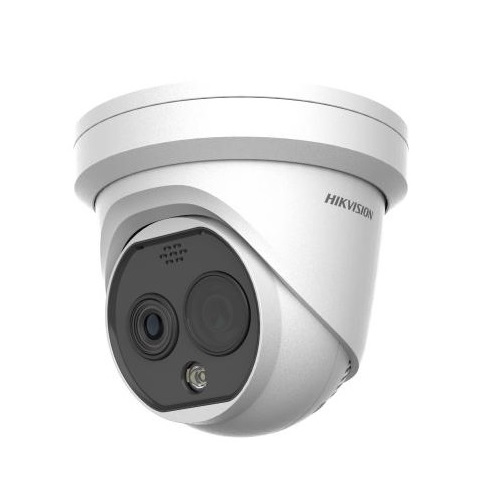
Thermal and bi-spectrum
Use where fire risk, dust, darkness or perimeter detection makes visible-light CCTV insufficient.
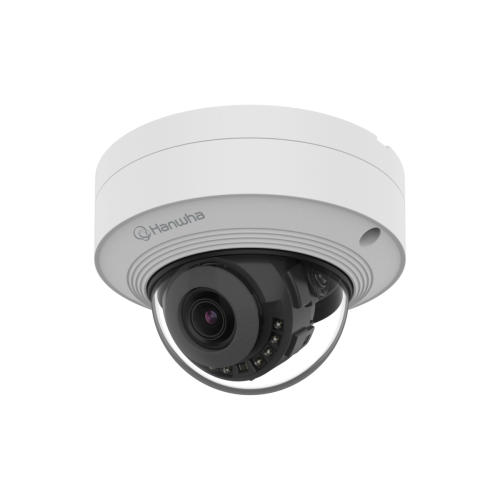
Premium commercial CCTV
Compare for higher-governance or enterprise-style sites where platform fit and durability matter.
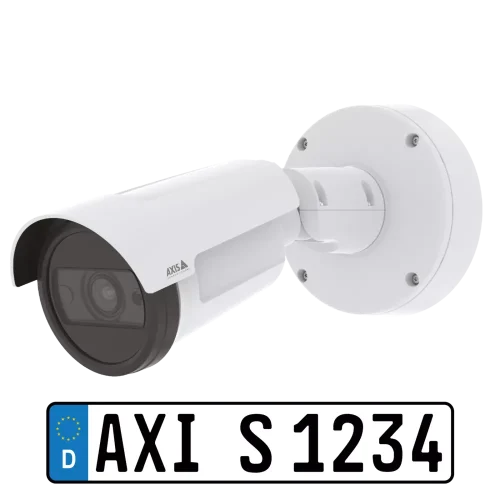
AXIS and LPR paths
Compare where open-platform design, weighbridge vehicle records or premium integration are important.
Operational handover checklist
- Camera names match site language such as weighbridge, fuel farm, crusher feed or workshop entry.
- Cleaning, inspection and lens-wipe intervals are assigned to a role, not left vague.
- Playback and export are tested with the person responsible for incident review.
- Known blind spots, exclusion zones and hazardous-area boundaries are documented.
Frequently asked questions
Why do mining CCTV projects fail?
Usually because dust, vibration, distance, lighting, network path or review workflow was not tested under real site conditions.
Does thermal replace normal CCTV?
No. Thermal is a detection or heat-risk layer. Visible-light cameras are still needed for colour, identity and operational context.