













Commercial
Thermal Cameras for Mines: Fire Detection, Dust, and Low-Visibility Monitoring
Return to Mining CCTV and Camera Solutions
Thermal
That does not mean thermal belongs everywhere. A thermal camera is not a default upgrade over a normal fixed lens camera. It is a separate branch with a separate job. The correct workflow is usually thermal for detection or heat anomaly, then fixed optical cameras for context, and sometimes a PTZ or bispectral PTZ where the scene is too large for one fixed thermal to answer cleanly.
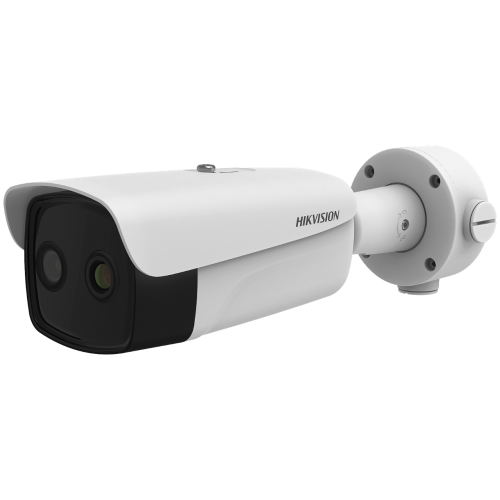
Hikvision DS-2TD2637T-10/QY
A stronger Hikvision thermographic bullet for perimeter and heat-risk jobs where visible-light cameras are not the first answer.
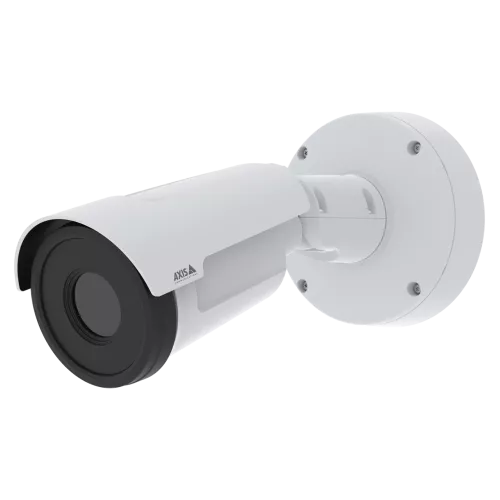
AXIS Q1971-E
A fixed AXIS thermal branch for 24/7 detection and verification where darkness, fog, smoke or dust are the real constraints.
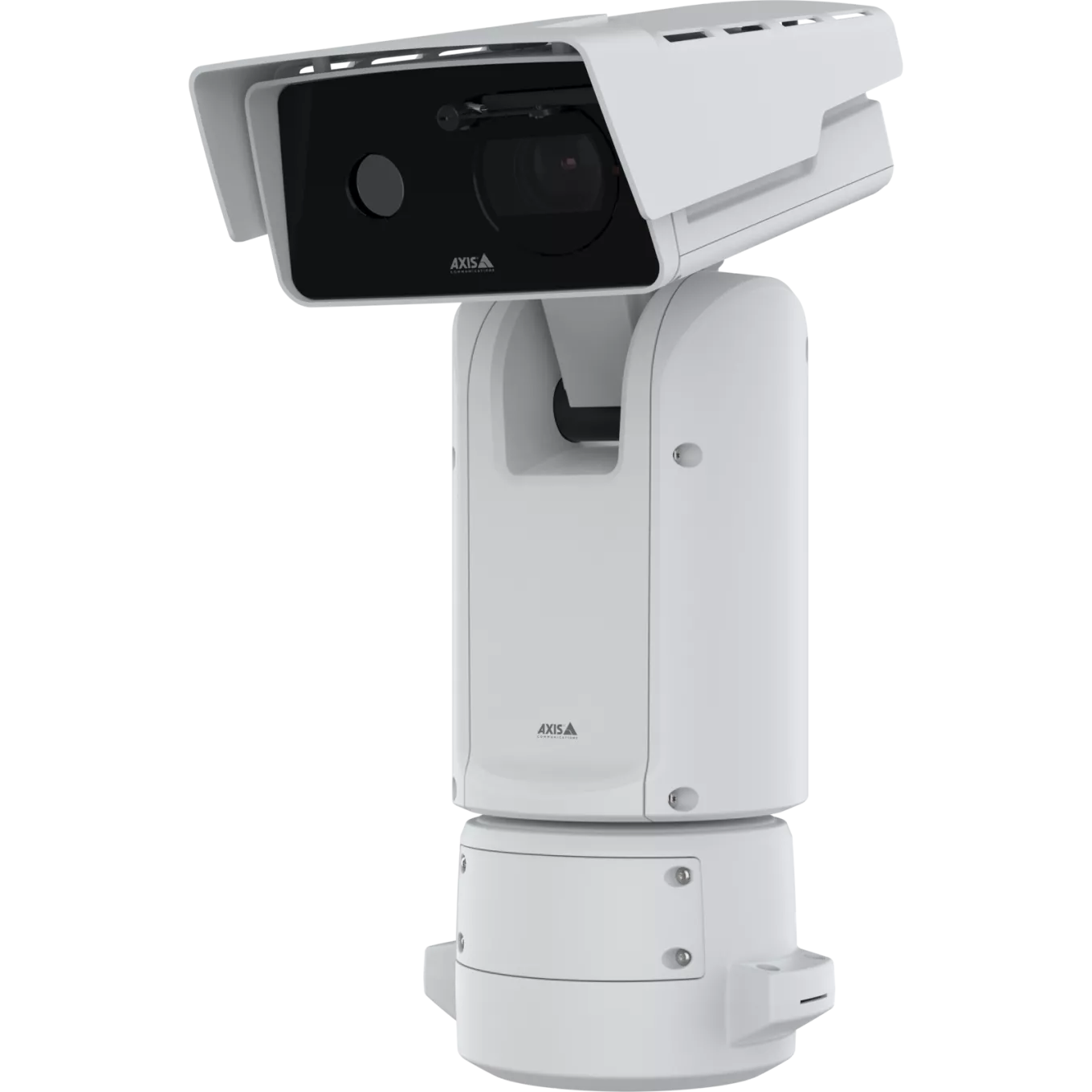
AXIS Q8752-E Mk II
A higher-end bispectral PTZ branch when the mine wants thermal plus optical context from a mobile overview position.
Recommended thermal buying paths
Hikvision fixed thermal path
Best for: practical perimeter, stockpile, and dusty-edge detection where the site wants strong thermal coverage inside a broader commercial ecosystem.
- Main reference: DS-2TD2637T-10/QY
- Keep fixed visible-light context views at the choke points that matter later
- Good when the site may also add Hikvision PTZ or explosion-protected branches later
AXIS fixed thermal path
Best for: premium 24/7 thermal detection where the project wants AXIS-led architecture.
- Main reference: Q1971-E
- Better where the thermal branch is part of a more enterprise-led mining design
- Keep expectations realistic: this is still a specialist detection layer, not a general gate camera
Hikvision thermal PTZ support
Best for: larger outdoor scenes where one fixed thermal cannot answer the whole mine-side question.
- Main reference: DS-2TD4228T-10/S2
- Use it to support the fixed thermal layer, not replace it
- Better where the site wants broad overview from one carefully chosen high point
AXIS bispectral premium path
Best for: premium mining projects wanting thermal plus optical context from one specialist overview position.
- Main reference: Q8752-E Mk II
- Best used as a premium support layer above fixed evidence cameras
- Often the stronger fit when AXIS Camera Station or enterprise workflow is already in view
Where mining thermal usually makes sense
- Remote perimeter lines where darkness, distance, fog, or glare make optical-only detection weaker.
- Stockpiles, bunkers, or plant-side risk zones where heat anomalies matter more than clothing colour or facial detail.
- Dusty, smoky, or low-visibility zones where the first useful question is whether there is activity or heat, not whether the optical image looks attractive.
- Large outdoor zones where a thermal PTZ or bispectral PTZ can support incident review and wide-area verification.
When thermal is not the answer
- Normal gate, office, crib-room, or contractor entry cameras where a good fixed optical camera is the real requirement.
- Weighbridge or narrow lane evidence jobs that want stable visible-light detail.
- Workshop doors or plant-room entries where the site mainly needs access review, not heat-based detection.
Practical buying logic
If the mine needs perimeter detection plus visible context, Hikvision bi-spectrum or AXIS bispectral PTZ paths are worth discussing. If it needs thermal as one fixed branch, Hikvision DS-2TD2637T-10/QY or AXIS Q1971-E are more logical reference points. If it only needs a stronger ordinary camera, the site should step back to a fixed optical shortlist instead of forcing thermal into the wrong job.
Thermal deployment checklist by mining use case
| Thermal use case | What to get right | What to confirm before sign-off |
|---|---|---|
| Stockpile heat-risk monitoring | Target the actual pile face or risk zone, not the easiest overview, and avoid obvious hot equipment in the same scene | Thermal image shows the intended risk area consistently across day and night conditions |
| Dusty or smoky boundary | Mount for detection geometry, protect the local enclosure, and confirm the backhaul path suits the remote branch | Detection remains useful when the visible-light image is degraded by dust, glare, or smoke |
| Bispectral PTZ overview | Use it as a support layer from a strong high point, with fixed evidence cameras still covering the critical thresholds | Operators can review thermal and optical context without losing the fixed evidence path |
What usually fails first on mining thermal jobs
- Thermal selected for the wrong problem, usually because a fixed optical camera would actually have been enough.
- Scenes that include too many irrelevant hot objects, making the thermal view harder to trust.
- Remote thermal poles with weak cabinet, power, or bridge design behind them.
- Expecting one thermal scene to replace fixed visible-light evidence cameras everywhere else.
Need the tuning and false-alarm side?
Use Mining Thermal False Alarms and Tuning Guide if the thermal hardware is already chosen and the real problem is scene setup, alert zones, hot machinery in frame, or unreliable alarm behaviour.
Best-in-country commissioning standard
Mining and quarry CCTV should be commissioned like an operational system, not like a normal small-business install. The handover should prove that the camera answers the site question under dust, glare, vibration, shift change, vehicle movement and after-hours conditions.
| Acceptance test | Pass condition | Evidence to keep |
|---|---|---|
| Day/night review | Critical views remain usable in the actual lighting cycle. | Sample clips from day, dusk and night. |
| Vehicle and plant movement | Trucks, loaders, light vehicles or contractors can be reviewed at the intended point. | Test vehicle pass and playback export. |
| Dust and vibration | Mounts and image quality remain stable around normal site activity. | Installer notes and any cleaning interval. |
| Network resilience | Remote links, PoE, fibre, wireless or 4G paths recover cleanly after interruption. | Network diagram and restart test notes. |
Product and system paths to compare
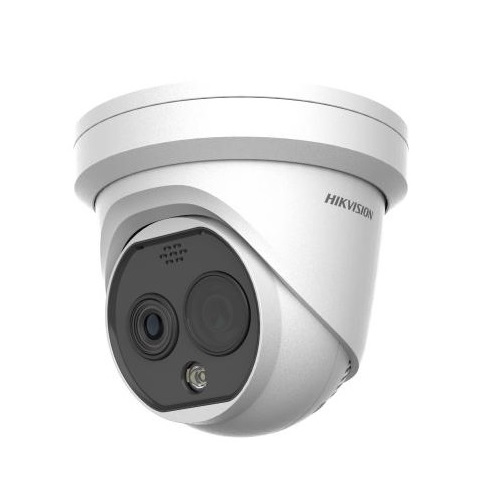
Thermal and bi-spectrum
Use where fire risk, dust, darkness or perimeter detection makes visible-light CCTV insufficient.
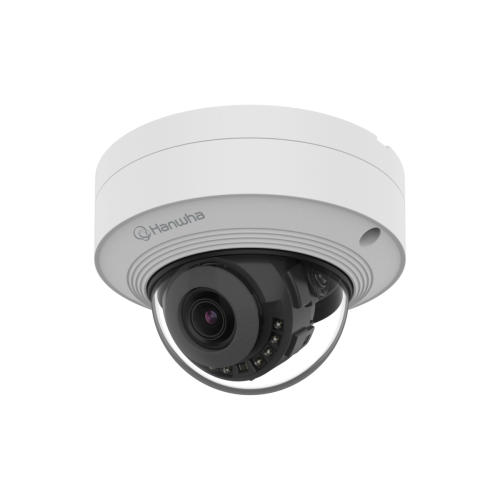
Premium commercial CCTV
Compare for higher-governance or enterprise-style sites where platform fit and durability matter.
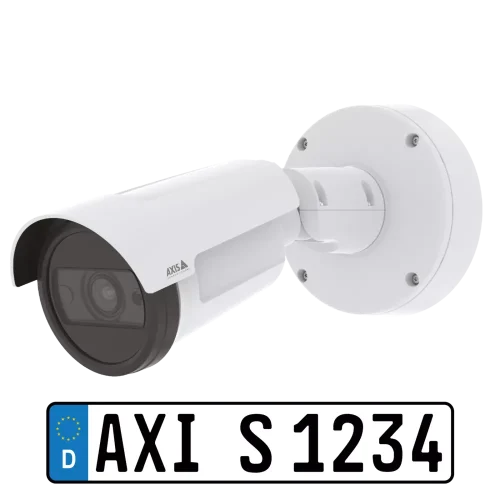
AXIS and LPR paths
Compare where open-platform design, weighbridge vehicle records or premium integration are important.
Operational handover checklist
- Camera names match site language such as weighbridge, fuel farm, crusher feed or workshop entry.
- Cleaning, inspection and lens-wipe intervals are assigned to a role, not left vague.
- Playback and export are tested with the person responsible for incident review.
- Known blind spots, exclusion zones and hazardous-area boundaries are documented.
Frequently asked questions
Why do mining CCTV projects fail?
Usually because dust, vibration, distance, lighting, network path or review workflow was not tested under real site conditions.
Does thermal replace normal CCTV?
No. Thermal is a detection or heat-risk layer. Visible-light cameras are still needed for colour, identity and operational context.