












Commercial
HiLook Buying Guide
Pillar Page
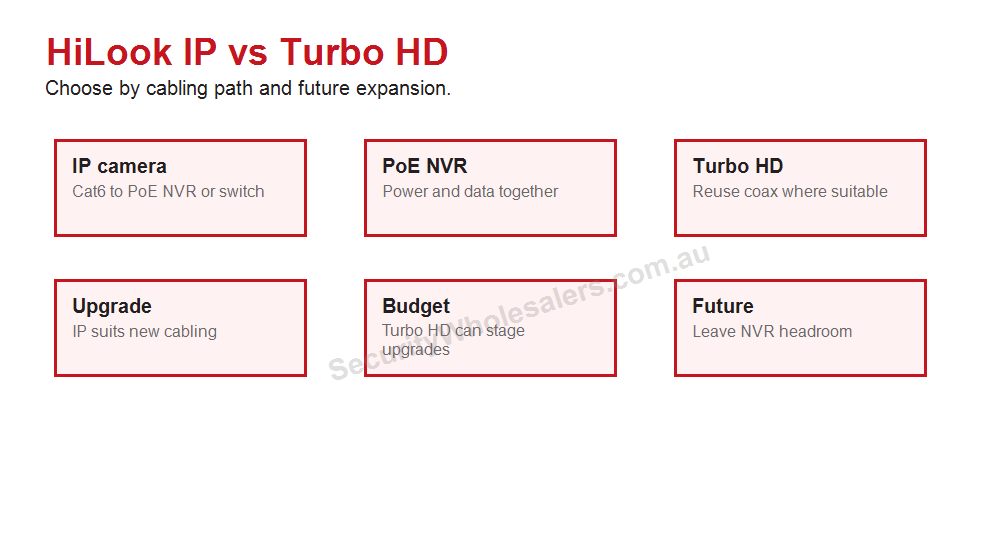
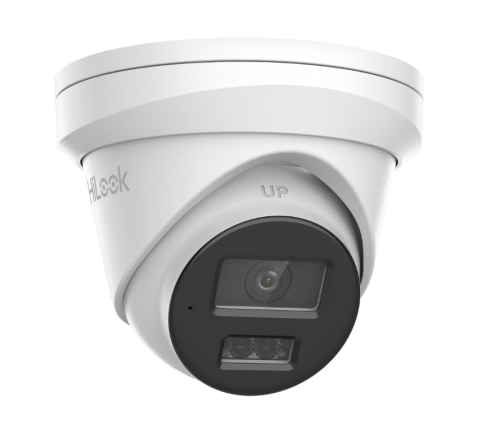
Diagram: how most HiLook jobs separate out
Keep most views simple, then step into deterrence or colour-at-night only where a specific scene genuinely needs it.
Where HiLook usually fits best
HiLook is usually most suitable on straightforward CCTV jobs where the site needs dependable everyday coverage, a simple PoE recorder path, sensible app access, and a price point that stays practical. Homes, small business, smaller offices, workshops, and many light commercial sites fit that description well.
How to use the current HiLook category properly
The live HiLook category is a useful starting point because it is sorted by popularity. That helps buyers see the kit families people are looking at most often right now. It should still be used as a guide rather than a shortcut. The most popular kit may not be the right kit for your front door, driveway, side gate, or darker rear lane.
| Kit path | Where it usually fits | Why it makes sense |
|---|---|---|
| HiLook 8MP T381H-MU kits | Ordinary homes, small offices, and straightforward external views | A normal fixed-lens kit path is usually the cleanest answer where the goal is clear evidence and simple review rather than visible deterrence. |
| HiLook 6MP T269MU/SL kits | Selected after-hours problem points such as side gates, rear doors and darker external approaches | These are more suitable where the owner actually wants a flashing light and stronger warning response on a specific scene. |
| HiLook colour-at-night or Hi-Color style paths | Driveways, frontages and darker residential scenes where colour detail matters after dark | These are more suitable when later review depends on seeing vehicle colour, clothing tone, or general colour detail rather than just broad movement. |
Use the kit family that matches the scene
That is the most useful way to think about HiLook. A normal fixed-lens kit is often enough for front doors, driveways, side paths, and backyard entries. A flashing-light deterrence path is more useful where there is repeated unwanted after-hours behaviour. A colour-at-night path is more useful where the owner cares about seeing more detail after dark rather than creating a visible warning response.
Design still matters more than the product name
The best HiLook jobs are still the ones where the installer keeps the design disciplined. Get the front door right. Get the driveway entry right. Get the side return or rear gate right. Choose the NVR with real headroom. Then use the more specialised camera path only where the scene truly justifies it.
Use the same planning discipline as any other brand
Even on a value-led project, planning still matters. The Camera Planner, CCTV Storage Calculator, and UPS Backup Time Calculator are still relevant because the system still needs to work properly when it is installed and when it is reviewed months later.
Relevant SecurityWholesalers Categories and Products
These HiLook categories and examples are the most useful starting points because they show the current popular product lanes and the three main CCTV choices buyers usually make: normal fixed-lens kits, stronger flashing-light deterrence kits, and colour-at-night upgrades.
- HiLook overview category - A useful live reference point because the category is sorted by popularity and shows the main kit families customers compare most often.
- HiLook IP cameras - Usually the first stop for buyers who want cost-effective fixed-lens CCTV.
- HiLook 8MP T381H-MU kits - A strong example of the normal fixed-lens kit path for straightforward homes and smaller sites.
- HiLook 6MP T269MU/SL kits - A better fit where the owner wants a flashing light and stronger visible deterrence on a selected after-hours scene.
- IPC-T561H-MU Hi-Color turret - A useful colour-at-night example where a frontage or driveway needs more night-time colour detail.
- HiLook NVRs - Useful for simple PoE recorder design and small-to-medium camera counts.
- HiLook intercoms - Relevant where the buyer wants a straightforward video intercom without overcomplicating the front entry.
- HiLook alarms - A sensible fit for simpler alarm expectations and smaller sites.
- HiLook IPC-T361H-MU - A good example of the kind of fixed-lens camera that sits in the normal HiLook lane for everyday CCTV jobs.
Sources and Further Reading
HiLook product paths to understand
HiLook fixed turret path
Best for ordinary home and small-business evidence views such as entry, driveway, side path, counter and rear door.
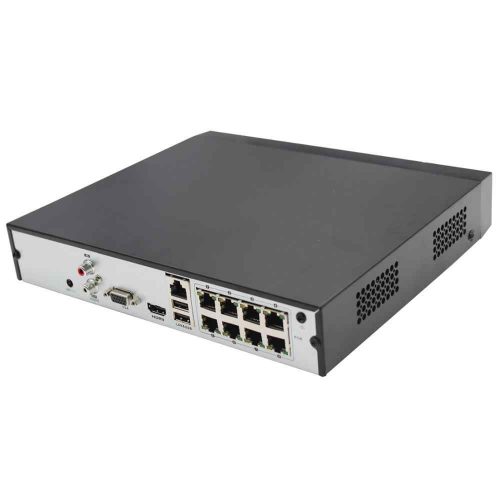
HiLook NVR path
Choose recorder channels and storage for the finished site, not only the first camera stage.
4MP, 6MP and 8MP in plain English
| Resolution path | Where it usually fits | Buying note |
|---|---|---|
| 4MP | Budget views, narrower scenes and simple coverage. | Good where cost matters and the scene is not too wide. |
| 6MP | Balanced home and small-business CCTV. | Often the comfortable middle path for detail and storage. |
| 8MP | Wider scenes and buyers wanting more crop margin. | Check storage and night performance expectations. |
Turret vs bullet vs kit
Turrets are usually the easiest default for homes and small business because they are tidy, flexible and less visually aggressive. Bullets can suit obvious deterrence or longer external approaches, but they are more visible and can be more exposed. Kits are useful when the site is predictable, but the buyer still needs to check camera count, NVR channels and storage.
Frequently Asked Questions
-
What is HiLook and how is it positioned?
HiLook is Hikvision-backed and generally aimed at buyers who want dependable value, especially for straightforward fixed-lens CCTV, smaller projects, and practical installs that do not need every higher-end feature from the full Hikvision stack.
-
When is HiLook a strong choice?
HiLook is a strong choice for homes, many small businesses, and projects where fixed-lens coverage, sensible recorder choice, and easy remote viewing matter more than deeper enterprise features.
-
When should a buyer step up from HiLook to Hikvision?
A buyer should step up when the project clearly needs broader system depth, more specialised camera choices, heavier analytics expectations, or a more advanced crossover into access control, intercom, or larger commercial design.
-
Is HiLook only for residential jobs?
No. It can work well on small shops, offices, light warehouses, and similar straightforward sites, especially when the brief is clear about what the cameras and recorder really need to do.
-
What installation style suits HiLook best?
HiLook often shines on sensible fixed-lens PoE jobs where the installer can keep the design clean, the recorder path simple, and the growth expectations realistic.
-
Which HiLook guides should the visitor read next?
Most visitors should move next into HiLook IP vs Turbo HD, then camera and NVR selection. After that, the homes, small-business, intercom, alarm, or HiLook vs Hikvision pages usually answer the more specific questions.
Related Pages
HiLook IP vs Turbo HD
Choose between HiLook IP and Turbo HD based on cabling and upgrade logic.
How to Choose a HiLook Camera
Choose the right HiLook camera for fixed-lens coverage, low light, and deterrence.
How to Choose a HiLook NVR
Choose the right HiLook NVR for channel count, storage, and simple expansion.
HiLook vs Hikvision
Compare HiLook and Hikvision in a practical, non-salesy way.