













Commercial
Mining Cameras for Process Plants, Conveyors, Crushers, and Stockpiles
Return to Mining CCTV and Camera Solutions
Use Case
Quick position
Use fixed cameras first for repeatable views on transfer points, crusher entries, walkways, and controlled plant-side thresholds. Add thermal where stockpile heat, smoke, or dust-heavy detection matters. Use PTZ only where one controlled high point genuinely improves overview of a broader plant area.
Diagram: process-area cameras should separate control points from heat-risk views
Common process-area camera jobs
| Area | Recommended camera type | What to capture | Recommended product direction |
|---|---|---|---|
| Crusher or transfer entry | Fixed or varifocal visible-light camera | Approach, controlled threshold, people or vehicle movement | Hikvision fixed camera path or AXIS fixed dome or box path |
| Conveyor crossing or walkway interface | Fixed evidence view | Crossing activity, access, operational review | Hikvision DS-2CD2387G3-LIS2UY/SL or AXIS Q3556-LVE style path |
| Stockpile or bunker with heat concern | Thermal or bi-spectrum camera | Heat anomaly, smoke, early warning, visible context where needed | Hikvision DS-2TD2637T-10/QY or AXIS Q1971-E |
| Large plant apron or yard edge | PTZ support plus fixed views | Broad situational review and fixed evidence at the control points | Hikvision DS-2TD4228T-10/S2 or AXIS Q8752-E Mk II as support, not replacement |
Recommended product paths
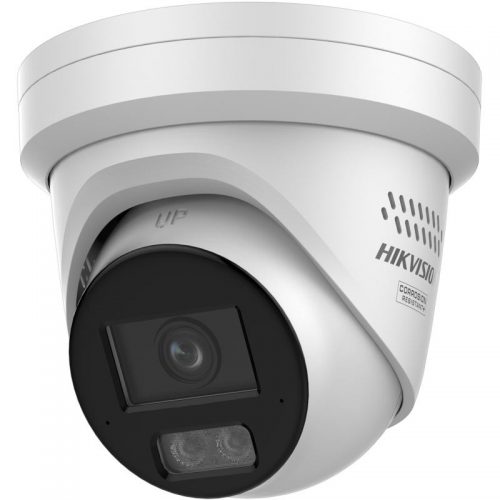
Hikvision fixed plant camera
DS-2CD2387G3-LIS2UY/SL is a strong reference point for controlled visible-light views at workshop doors, crossings, conveyor interfaces, and process-building entries.
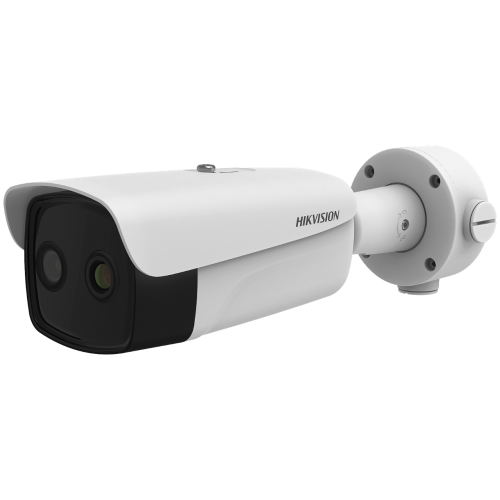
Hikvision thermal heat-risk branch
DS-2TD2637T-10/QY is the stronger Hikvision choice when the site needs more than ordinary video and wants a real thermal plant or stockpile layer.
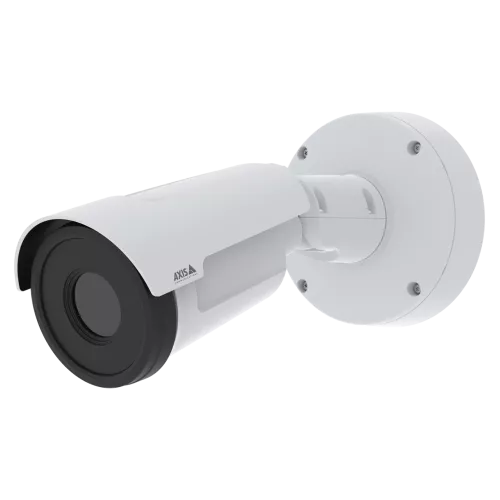
AXIS thermal process-risk branch
Q1971-E fits when the project wants an AXIS thermal path for dust, smoke, or heat-risk detection rather than ordinary visible-light review.
Recommended process-area buying paths
Hikvision fixed process path
Best for: conveyor crossings, crusher entries, workshop-side thresholds, and controlled transfer points.
- Main reference camera: DS-2CD2387G3-LIS2UY/SL
- Use several fixed evidence views before adding any PTZ layer
- Stronger when the site wants practical one-brand continuity with Hikvision NVRs and thermal add-ons later
AXIS fixed process path
Best for: premium hardened fixed-camera deployment on plant-side thresholds and crossings.
- Main reference camera: Q3556-LVE
- Use when the project wants stronger enterprise architecture rather than only a practical commercial branch
- Often a better fit where the fixed review workflow matters as much as the camera body
Hikvision stockpile heat path
Best for: stockpile or bunker risk areas where thermal is the real problem-solver.
- Main thermal reference: DS-2TD2637T-10/QY
- Add fixed visible-light context rather than expecting one thermal scene to answer everything
- Useful when the site wants to stay inside a broader Hikvision process and thermal ecosystem
AXIS premium thermal path
Best for: premium plant-risk or stockpile projects where the site prefers AXIS thermal architecture.
- Main thermal reference: Q1971-E
- Step up to a bispectral PTZ only if the plant scene is genuinely too broad for fixed thermal alone
- Stronger where the project wants an AXIS-led enterprise mining branch
Example process-area combinations
Fixed evidence first, not PTZ first
This is the stronger answer for crusher entries, transfer chutes, and walkway crossings where playback needs to show what actually happened at a defined point.
Hikvision DS-2CD2387G3-LIS2UY/SL
Good for controlled fixed views at process thresholds and maintenance entries.
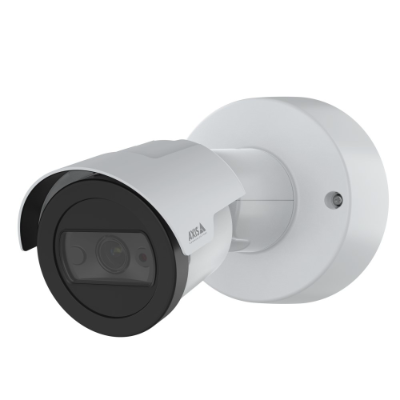
AXIS Q3556-LVE
Premium hardened fixed-camera alternative where the project prefers AXIS-led review workflow.
- Typical branch size: 3 to 6 fixed cameras around the actual points of proof.
- Recorder path: 16-channel recorder is usually enough for one process block plus spare expansion.
- Step up when: the site also needs stockpile heat-risk, smoke, or wide-area after-hours monitoring.
Thermal plus visible context
For stockpile faces, bunker edges, or reclaim areas where the real problem is heat-risk, darkness, dust, or smoke rather than ordinary optical evidence alone.
Hikvision DS-2TD2637T-10/QY
Practical thermal branch for mines already leaning Hikvision across recorder and access scenes.
AXIS Q1971-E
Premium AXIS thermal branch for dust, glare, smoke, and continuous heat-risk awareness.
- Typical branch size: 1 thermal scene plus 1 or 2 ordinary fixed views for context.
- Recorder path: leave room for higher retention discipline and thermal event review workflow.
- Step up when: one fixed thermal scene cannot cover the whole pile face or reclaim zone safely.
Thermal PTZ or bispectral PTZ as a support layer
This is the later-stage branch for very broad process or stockpile areas where fixed thermal alone does not give enough operational overview.
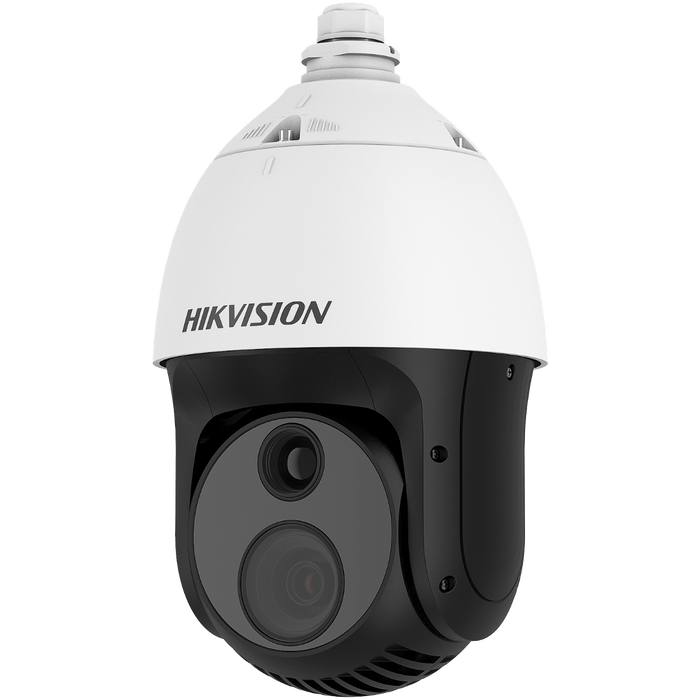
Hikvision DS-2TD4228T-10/S2
Useful when the site wants a Hikvision-led thermal PTZ support layer above fixed evidence views.
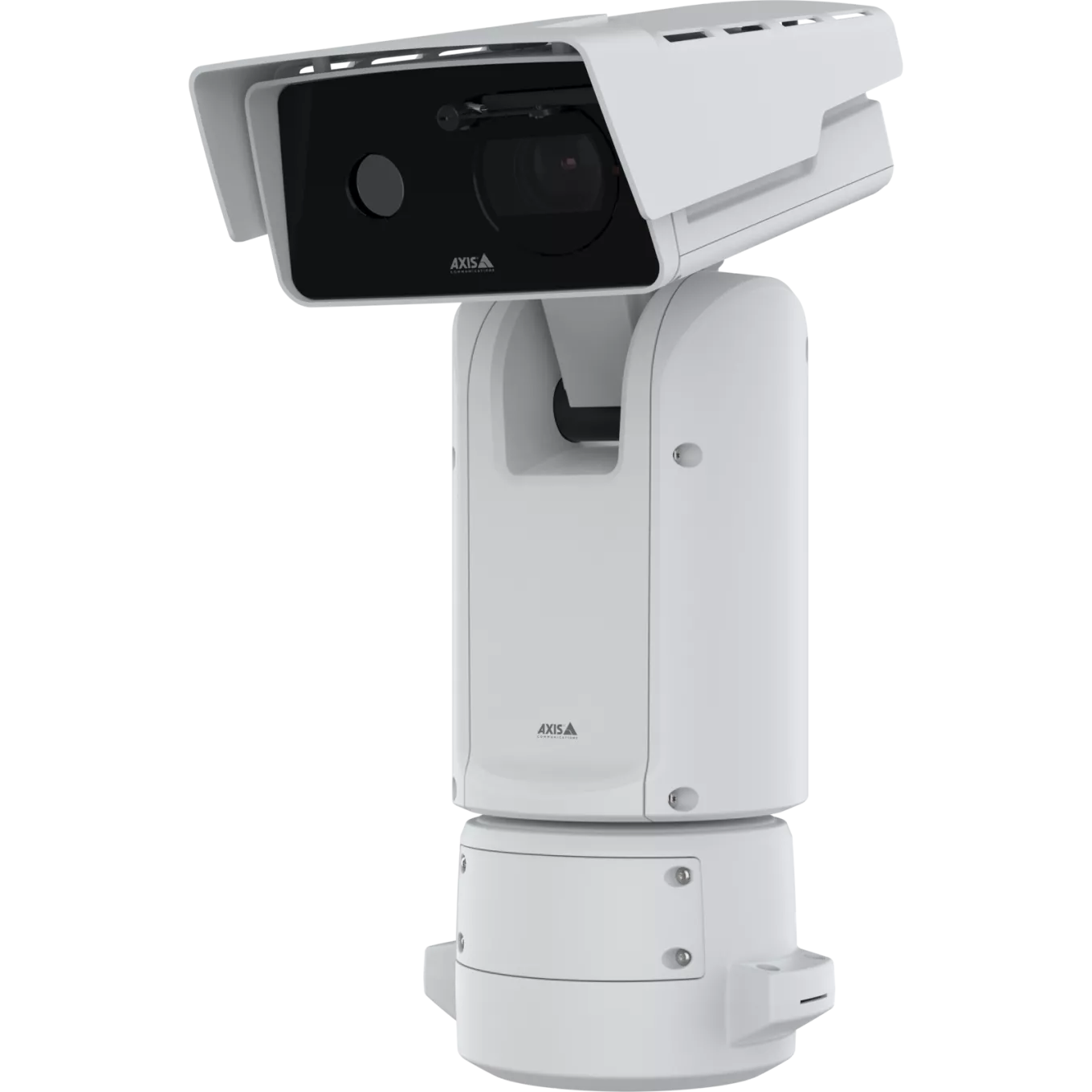
AXIS Q8752-E Mk II
Premium AXIS bispectral path where thermal and optical overview need to sit in one specialist branch.
- Typical branch size: one PTZ layer backed by several fixed evidence views.
- Recorder path: 32-channel or multi-block architecture once several process zones are involved.
- Important: never let the PTZ replace the fixed cameras that prove incidents at the actual working points.
Mistakes to avoid
- Using one wide overview camera and expecting it to show the detail needed on transfer points or plant entries.
- Treating thermal like a prettier night camera rather than a tool for a different detection problem.
- Buying a PTZ to cover a whole processing area instead of holding the key fixed views first.
- Ignoring dust, vibration, mounting access, and maintenance access when choosing camera position.
Stockpile and process-area install checklist
| Process scenario | Install priority | What to prove on site |
|---|---|---|
| Crusher or transfer entry | Protect the mount from vibration, lock the framing, and keep the cable route away from obvious crush or abrasion points | Image remains stable during plant operation and still gives useful playback when dust and vibration are present |
| Conveyor crossing or walkway | Frame the crossing point first, not the whole conveyor line, and protect glands and junctions from dust ingress | People, plant, and crossing events are reviewable without digital zoom guesswork |
| Stockpile thermal position | Mount for the real heat-risk face, protect the cabinet or bridge path, and allow maintenance access for cleaning | Thermal scene is free from obvious false hot objects and still records the critical pile edge clearly |
What usually fails first in process-area CCTV
- Mounts that are mechanically acceptable when idle but too unstable once the plant is live.
- Lenses and housings getting dirtier faster than the maintenance plan allows.
- Thermal cameras aimed too broadly, so they see a dramatic scene but not the real heat-risk zone.
- Cabinets and joins placed where washdown, dust, or vibration reaches them constantly.
Need the thermal tuning side?
Use Mining Thermal False Alarms and Tuning Guide if the process-area issue is no longer product choice but scene tuning, false heat targets, or alert reliability.