

















Commercial
Best Medical Centre Security System in Australia
Return to CCTV Systems for Medical Centres
Security Systems
Quick answer
Many smaller clinics start with CCTV on the front entry, reception, waiting-room circulation and after-hours doors, then add an intercom or controlled front-door release and silent duress where staff exposure or after-hours risk is real. Larger multi-practitioner sites often also need staff-only door control, better recorder permissions and a clearer incident-response workflow.
What the broader medical-centre security stack usually includes
| Layer | Typical job | Where it usually fits |
|---|---|---|
| CCTV | Incident review, arrival sequence, after-hours evidence | Front entry, reception, waiting-room circulation, staff-only thresholds, rear doors |
| Video intercom | Verify visitors before release | Controlled front entry, after-hours front door, side staff entry |
| Access control | Control who can enter restricted rooms | Staff-only doors, dispensary or medication-related rooms, admin rooms |
| Silent duress | Raise a fast alert discreetly | Reception, consulting-adjacent staff desks, late-shift points |
| After-hours workflow | Clarify who answers, releases and reviews | Front door, side doors, back-of-house entry and playback review |
When camera-only is not enough
- The front door should stay controlled until staff can see who is outside.
- Staff are exposed at reception and need a silent duress path.
- There are restricted rooms that should not rely on a shared key or open access.
- After-hours contractors or cleaners use doors that need better accountability.
Worked examples
Small GP clinic: front-entry and reception CCTV, one front-door intercom, silent duress at reception, and one controlled staff-only door. This often gives a much better outcome than trying to add more cameras deeper inside the practice.
Larger allied-health and dental site: front-entry cameras, reception, visitor path, rear staff entry, one or two restricted-room thresholds, intercom-backed release after hours and a more formal permissions path for recorder access and incident review.
What to avoid
- Treating treatment rooms or private clinical spaces casually.
- Buying an intercom without deciding who actually answers it after hours.
- Adding cameras when the real problem is that sensitive doors are still uncontrolled.
- Assuming silent duress will help if nobody has tested the response path.
Privacy still leads the design
This page is general buying guidance, not legal advice. Medical environments need clear camera purpose, careful footage access, and much stronger restraint around highly sensitive spaces than many other businesses.
Real quote scenarios
| Scenario | Typical quote shape | Why this design works |
|---|---|---|
| Small GP clinic | 6 to 8 cameras, 8-channel NVR, reception duress, front-door camera, waiting-room circulation, rear staff entry and one intercom if entry is controlled. | Protects staff and review points without drifting into clinical areas where privacy risk is higher. |
| Allied-health or dental suite | 10 to 16 cameras, 16-channel NVR, reception and corridor transitions, staff-only door control, duress at reception and a cleaner after-hours entry process. | Works because the design follows patient movement and staff exposure rather than trying to watch every room. |
| Larger medical centre with pharmacy or pathology | 16 to 24 cameras, 32-channel recorder headroom, access control on restricted rooms, front-door intercom, multiple duress points and stricter footage permissions. | The extra spend goes into controlled thresholds, duress response and permissions, not unnecessary camera coverage in sensitive spaces. |
Recommended system stack by building type
A best-practice security system is built as a stack, not as a shopping list. Start with the control points, then choose CCTV, intercom, access control, alarms and governance around the way the site is actually run.
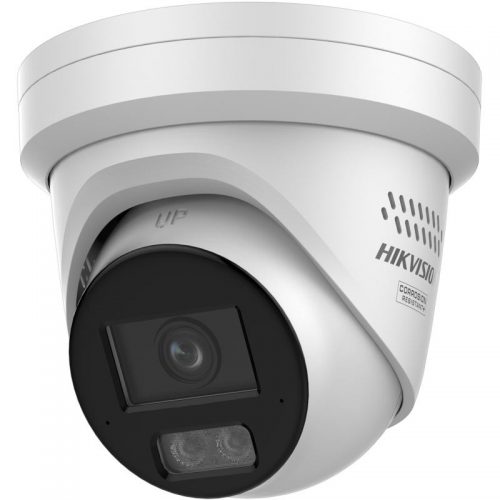
CCTV backbone
Use fixed evidence cameras first, then add PTZ, ANPR, thermal or deterrence only where the site workflow justifies it.
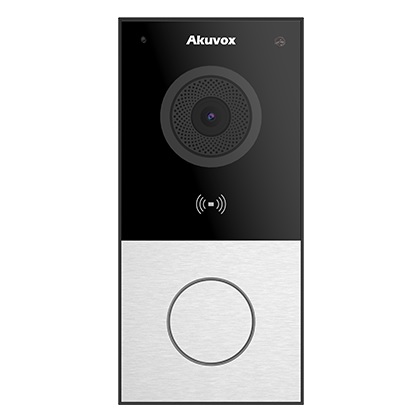
Intercom and visitor release
Use intercoms where the problem is visitor verification, delivery entry, after-hours release or reception workflow.

Access control
Use controlled credentials where keys, shared codes or uncontrolled staff-only doors are the real weakness.
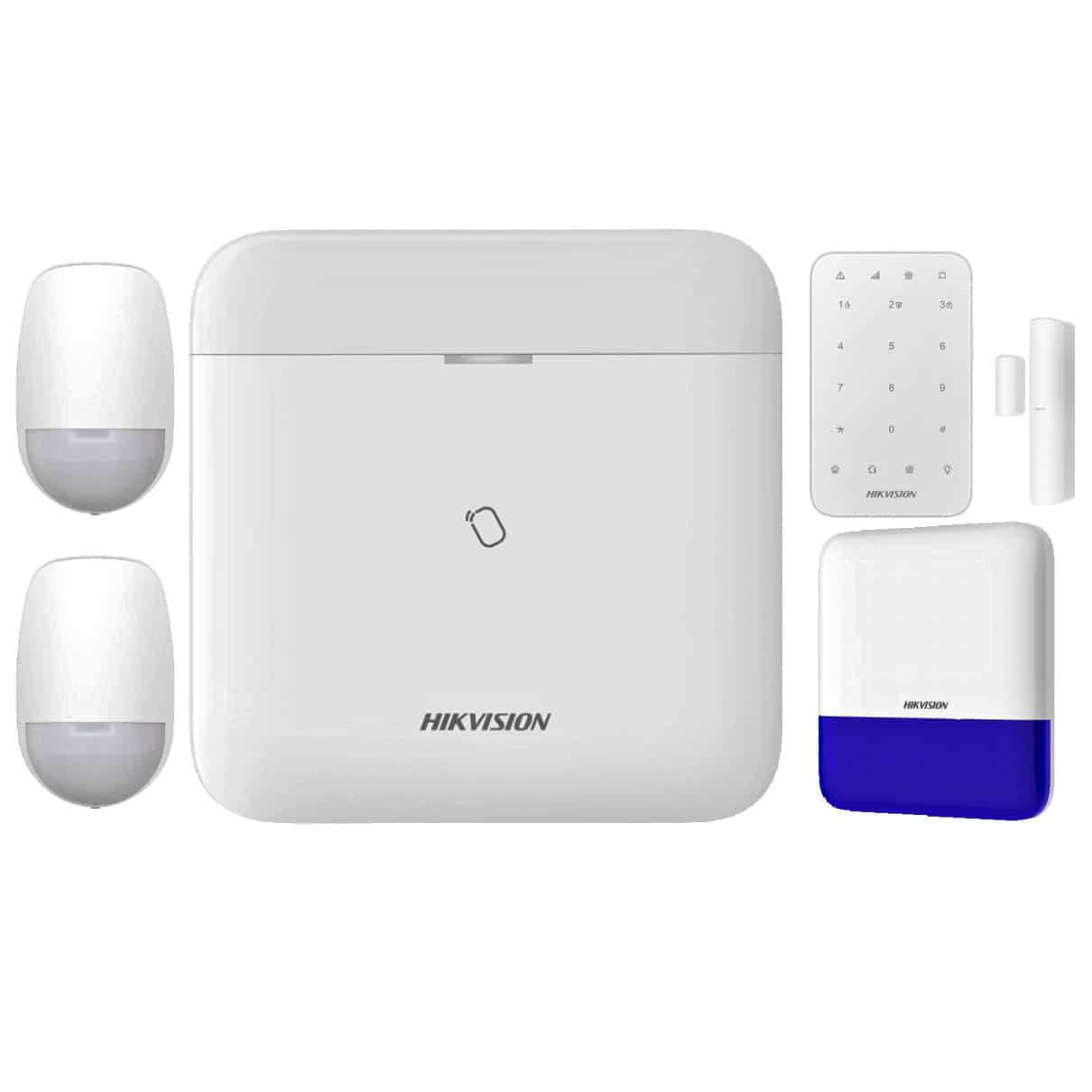
Alarm and duress layer
Use alarms, panic buttons or monitored response where the issue is immediate notification, not only later footage review.
Acceptance criteria before handover
- Every camera, intercom, reader, alarm input and user account has a named purpose.
- Day and night test clips are reviewed with the site manager, business owner or committee.
- Access permissions, footage export rules and admin ownership are documented.
- After-hours response is tested with the people who will actually receive alerts or calls.
- The site has a written maintenance and review rhythm so the system does not quietly drift.
Questions that separate a quote from a proper design
| Question | Why it matters |
|---|---|
| Who makes access and footage decisions? | Security systems fail socially before they fail technically when nobody owns permissions. |
| Which incidents are most likely to be reviewed? | The system should be framed around likely review events, not generic coverage. |
| What happens after an alert or call? | Alerts are only useful when there is a clear response path. |
| What is out of scope? | Good designs document private, sensitive or inappropriate areas as clearly as covered areas. |
Frequently asked questions
Can CCTV alone be the whole security system?
Sometimes for simple sites, but many buildings also need intercom, access control, alarm response or better governance.
What should be documented after installation?
Camera names, user permissions, footage access rules, alert recipients, access-control administration and known system limitations.
Where do buyers overspend?
Usually on broad cameras or premium features before fixing the real workflow at entries, gates, restricted rooms and after-hours response points.