












Commercial
CCTV Systems for Medical Centres
Commercial
What a Better Medical Centre Security Design Should Do
A medical-centre system usually works best when it supports three things at the same time: controlled visitor handling, privacy-aware coverage, and a reliable staff-safety response path. Once those priorities are clear, the hardware choices become much easier.
Control Reception and Visitor Entry
Use stable entry and reception coverage together with intercom and door-release workflow where the site wants to verify visitors before opening the front door.
Keep Coverage Useful Without Overreaching
Cover entries, circulation, and staff-only thresholds deliberately, rather than pushing cameras too broadly into areas where the privacy justification becomes weak.
Support Staff Safety and Continuity
Plan the recorder path, UPS runtime, panic buttons, and mobile-alert workflow so the system still helps when aggression, after-hours intrusion, or a short outage actually happens.
Medical centres combine reception, waiting rooms, corridors, staff-only areas, restricted medicine or records access, and after-hours burglary or aggression risk. That creates a stronger need for careful privacy boundaries and deliberate camera placement than many other commercial environments.
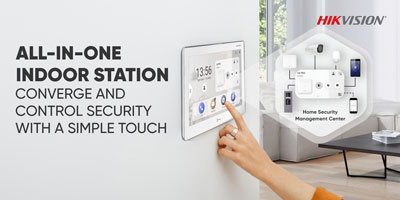
Some centres also want the front door to stay controlled until staff can see who is outside. In practice that usually means an intercom system working with a door-release method such as an electric strike or maglock, supported by stable CCTV on the entry sequence.
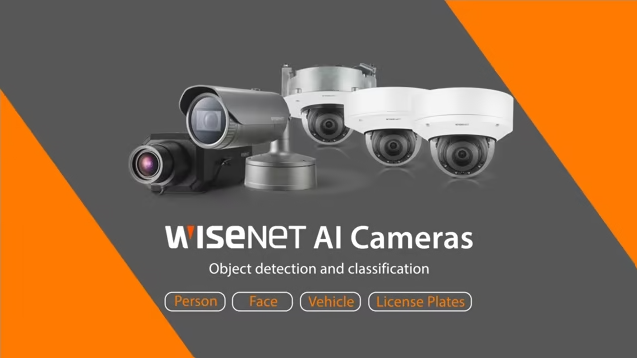
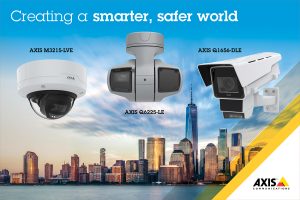
Fixed cameras usually suit the entry, reception, waiting room circulation, corridor intersections, and staff-only access points. Motorised lenses can help on wider foyers or larger external approaches. PTZs are rarely the first answer on a typical medical-centre site. Deterrence cameras are usually an after-hours external measure at rear access or dark side entries.
New buying layer
If you are deciding what size system to buy rather than how to place each camera, start with Best CCTV System for Medical Centres in Australia. It compares small clinic, standard clinic and larger medical-centre system paths before you go deeper into reception, duress and privacy planning.
Broader security layer
If the clinic is really asking about front-door control, staff-only doors, intercom release and silent duress, move next to Best Medical Centre Security System in Australia.
In simple terms, the clinic is trying to answer a narrow set of questions well: who approached the entry, what happened at reception, who crossed into the controlled areas, what happened after hours, and how the site will protect staff without drifting into careless over-coverage.
How This Environment Should Use the Main Camera Types
Medical centres need security, but they also need discipline around where cameras belong and why.
| Camera Type | Where It Usually Fits | Why It Matters |
|---|---|---|
| Fixed lens | Entry, reception, waiting-room circulation, corridor intersections, staff-only thresholds | Stable evidence views suit the areas where access and incidents are most often reviewed. |
| Motorised lens | Wider foyers, external approaches, broader car-park or drop-off views | Useful where the operator needs a tunable scene instead of a one-size-fits-all lens. |
| PTZ | Selective larger sites or broader external forecourts | Can add overview in larger centres, but is not usually the first design priority. |
| Deterrence camera | Rear doors, side access, after-hours perimeter points | Useful after hours where visible warning may discourage intrusion. |
What This Site Usually Needs to Cover First
- Main entry and exit
- Reception and front counter
- Front-door intercom and release point where controlled entry is used
- Waiting-room circulation and foyer approach
- Corridor intersections and staff-only access points
- Medicine, records, or restricted-room boundaries where appropriate
- After-hours side and rear access points
Worked examples
Example: suburban GP clinic with controlled front door
Situation: Staff wanted to check who was outside before release and also needed cleaner footage of aggressive reception incidents.
Solution used: Stable front-door and reception coverage, intercom-linked door release, and threshold-focused staff-area coverage rather than broad internal monitoring.
Why this was chosen: The value sat at the controlled transitions, not in filming every room equally.
Installation notes: The intercom, lock release, and CCTV views were tested together so reception staff could use the workflow confidently.
Example: allied-health centre with medicine and records boundary concerns
Situation: Management needed to understand who entered restricted zones without overreaching into clinical privacy.
Solution used: Threshold-based coverage on staff-only and restricted-room approaches, with stronger recorder and access discipline around footage review.
Why this was chosen: Threshold logic usually answers the access question more cleanly than broad blanket views.
Installation notes: This kind of site benefits from an agreed internal footage-access process before the first incident review request arrives.
Decision points on this type of site
| Question | Stronger direction | Why it matters |
|---|---|---|
| Where should the first cameras go? | Start with the reception entry, waiting room, dispensary threshold, and the after-hours front door. | Those zones usually answer the highest-value access, movement, and after-hours questions. |
| Where does broader coverage become useful? | Add wider or adjustable views only after the control points are covered properly. | Broad coverage adds context, but it rarely replaces the scenes that need stable evidence. |
| What should shape the recorder and UPS path? | Retention expectations, outage tolerance, and how often management will need to review after-hours visitor contact. | A weak head-end path can undermine an otherwise sensible camera layout. |
Sample scenarios
Dr Lewis's general-practice clinic
Dr Lewis is trying to decide where to spend the first stage of the CCTV budget. The stronger answer is to start with the reception entry, waiting room, dispensary threshold, and the after-hours front door rather than buying broad overview coverage for the whole site. Those views are more likely to answer real questions around after-hours visitor contact, restricted access, and after-hours activity.
Priya's allied-health centre
Priya already knows the site wants better security but is unsure whether to spend more on broader cameras or on the recording path. In this case the better outcome comes from a balanced design: stable views on the control points, sensible coverage of rear staff corridor, and enough recorder and UPS headroom to hold the footage when restricted-room access review or a later review request actually matters.
Product Areas That Normally Matter
Medical-centre operators often review cameras together with recorder access discipline, storage, front-door intercom workflows, and any access-control path around staff-only or restricted areas.
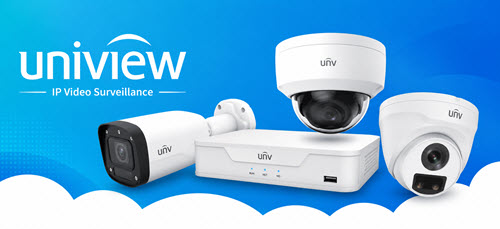
- Hikvision CCTV cameras - A practical starting point for reception, waiting-room, and entry coverage.
- HiLook CCTV cameras - A cost-effective Hikvision-backed option for reliable fixed-lens coverage where the site does not need motorised zoom cameras on every view.
- Dahua CCTV cameras - A commercial alternative worth considering for mixed internal and after-hours coverage.
- Access control - Relevant where staff-only areas or restricted rooms need stronger control.
- Intercom systems - Useful where visitor management or after-hours contact points matter.
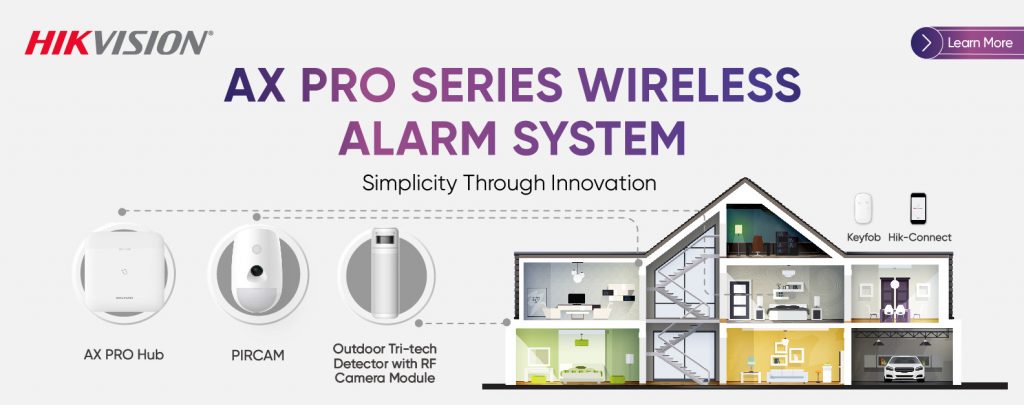
- Hikvision AX PRO alarms - Worth reviewing where the centre wants panic buttons or silent duress alerts linked to staff mobiles.
- NVRs - Important for retention, playback, and controlled access to footage.
- Security rack cabinets - Useful where the recorder path needs stronger physical protection.
Work Out Recording Time, Storage, UPS, and Layout Early
Medical-centre recording time should be based on what the operator may need to review later: aggressive incidents, reception disputes, after-hours intrusion, staff-safety events, or restricted-access questions. Once camera count, image detail, and recording mode are clear enough, the CCTV Storage Calculator helps size storage properly.
The Camera Planner is useful for marking entry, reception, waiting-room circulation, staff-only thresholds, intercom release points, and after-hours access points on the layout. If the centre wants recording continuity during short outages, the UPS Backup Time Calculator helps estimate whether the NVR, switch, modem, intercom path, and any restricted-access path will remain online.
Signage, Compliance, and Operational Boundaries
Medical centres should be careful about privacy, purpose, and access control. Cameras should support safety and incident review, not create casual surveillance around obviously sensitive clinical interactions or spaces that do not need monitoring.
Where a centre uses controlled front-door entry, the intercom, release hardware, and staff procedure should all line up. Staff should know who is allowed to release the door, how visitors are identified, and what to do if the person outside is aggressive or unknown.
The CCTV Signage Generator helps draft practical monitored-area notice, and the CCTV Compliance Checker is useful where the centre wants a final review of signage, privacy, and operating assumptions before go-live.
Common mistakes on medical-centre jobs
- Trying to solve staff-safety issues with broader cameras instead of better reception, entry, and duress workflow.
- Adding cameras near sensitive areas without being clear about purpose and privacy boundaries.
- Treating the front-door intercom and door release as separate purchases from the CCTV design.
- Forgetting recorder, UPS, and export workflow until after the first incident occurs.
Frequently Asked Questions and Practical Templates
Medical centres often need more than a buying guide. They also need a cleaner internal operating model for front-door release, footage access, staff safety testing, and routine review. That is why this collection now includes dedicated FAQ pages and printable templates that can be saved as PDF and used internally.
Medical Centre CCTV FAQs
Work through the most common questions around waiting-room coverage, privacy, retention, access to footage, and what usually matters first.
Front Door Entry and Intercom FAQs
Understand Cat6 cabling, PoE switches, monitors, strikes, maglocks, exit buttons, and the release workflow staff should actually follow.
Templates and Checklists
Use printable site-survey, footage-access, and duress-testing documents that a centre can adopt internally.
Practical Position
The best medical-centre CCTV systems are clear on purpose. They protect reception, staff, and restricted areas without drifting into cameras that do not belong in a healthcare environment.
Explore This Guide Series
This topic now has supporting guides covering placement, camera selection, recording time, privacy, and the most important implementation details for medical centres.
- Medical Centre CCTV Coverage Zones and Camera Placement - Plan camera placement for medical centres with practical guidance on the first zones to cover, common blind spots, and how to mark the layout before installation.
- Medical Centre CCTV Fixed, Motorised, PTZ, and Deterrence Cameras - Understand how fixed, motorised, PTZ, and deterrence cameras fit into medical centres CCTV designs, and where each camera type is useful.
- Medical Centre Panic Buttons, Silent Duress Alarms, and Emergency Response - Plan silent duress alarms, AX PRO panic buttons, mobile notifications, and emergency button placement for medical centres.
- Medical Centre CCTV Recording Time, Storage, UPS, and Network Planning - Work out recording time, storage, UPS backup, and network design for medical centres CCTV systems with practical planning guidance.
- Medical Centre CCTV Signage, Privacy, and Compliance Considerations - Review signage, privacy, footage access, and practical compliance considerations for medical centres CCTV systems.
- Medical Centre CCTV for Reception, Front-Door Intercoms, and Staff-Only Zones - Plan CCTV for reception, controlled front-door entry, and staff-only zones in medical centres with practical privacy-aware guidance.
- Medical Centre CCTV FAQs - Work through the practical questions medical-centre operators usually ask about coverage, privacy, recorder access, retention, and staff safety.
- Medical Centre Front Door Entry and Intercom FAQs - Understand front-door video intercoms, door release, Cat6 and PoE cabling, and the workflow staff should follow at reception.
- Medical Centre CCTV Templates and Checklists - Use printable internal templates for site surveys, footage-access control, incident review, and duress testing.
- Medical Centre CCTV Site Survey Checklist - Print or save a practical checklist covering camera zones, entry workflow, intercom design, storage, UPS, privacy, and staff safety.
- Medical Centre Footage Access and Incident Review Register - Keep a cleaner audit trail for who reviewed footage, why they reviewed it, what was exported, and who approved access.
- Medical Centre Duress Alarm and Security Testing Checklist - Use a practical routine checklist for panic-button tests, mobile-alert checks, UPS checks, and annual battery replacement planning.
Australian Source References
Frequently Asked Questions
-
What should a medical-centre CCTV system usually cover first?
Most centres begin with the main entry, reception, waiting-room circulation, staff-only access points, and vulnerable after-hours entries. Those areas usually create the clearest security and incident-review value.
-
Should a medical centre use an intercom on the front door?
Many centres should at least consider it, especially where staff want to check who is outside before release. In practice that often means an intercom tied to a controlled lock such as an electric strike or maglock.
-
Can medical centres put cameras in any area they like?
No. Medical environments need careful privacy discipline. The purpose of each camera should be clear, and obviously sensitive areas should not be treated casually.
-
How do panic buttons fit into staff safety at a medical centre?
They can give reception or clinical staff a fast way to raise a silent duress alert during an aggression or emergency event, especially when the response path is already planned and tested.
-
Why does UPS planning matter at a medical centre?
Because short outages can interrupt the exact footage needed for an incident or after-hours event. If the recorder path matters, backup runtime should be estimated before the system is finalised.
-
How long should footage usually be kept for this type of site?
That should be based on the real review window for this environment, not a random number. The right answer depends on how quickly incidents are usually discovered and how long the site may need to go back and review footage.