












Commercial
Medical Centre CCTV Fixed, Motorised, PTZ, and Deterrence Cameras
Supporting Guide
Choose the Camera Type by Job, Not by Habit
Medical-centre camera choice usually becomes much clearer once the site separates front-of-house evidence, tunable mixed-depth scenes, large-area live overview, and after-hours deterrence. Each path has a different installation consequence, and that is where better systems start to look more deliberate and less pieced together.
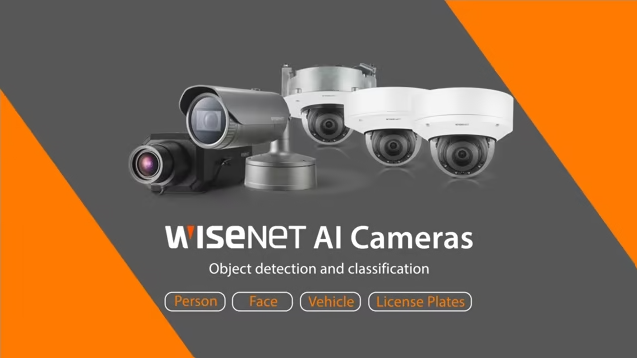
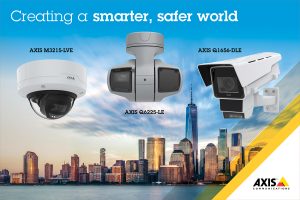
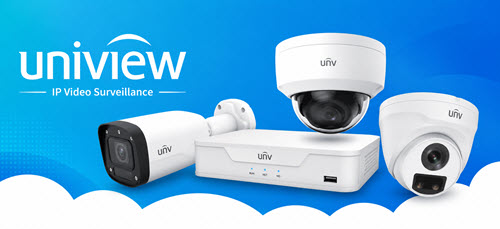
Fixed Cameras
Best for entry doors, reception desks, waiting-room circulation, and staff-only thresholds where the scene repeats and stable recorded evidence matters more than flexibility.
Motorised Cameras
Useful where the final field of view is hard to judge from the plan alone, such as wider foyers, mixed entry-and-reception views, or longer external approaches.
PTZ Cameras
More relevant on larger medical sites that want live overview of broader forecourts or parking areas. They support fixed evidence cameras rather than replacing them.
Deterrence Cameras
Usually an after-hours external tool for side lanes, rear doors, and vulnerable approaches where visible warning, speaker prompts, or strobe action may help discourage intrusion.
What the Camera Decision Is Really Trying to Solve
Most medical centres are not trying to build a dramatic surveillance system. They are usually trying to make reception safer, keep staff-only access points accountable, and preserve usable evidence if an aggression, theft, or after-hours event occurs. That is why fixed cameras still do most of the work.
Once the job moves beyond a predictable doorway or counter scene, the installer has to decide whether the next problem is framing uncertainty, broad live overview, or an after-hours deterrence issue. That decision is what separates fixed, motorised, PTZ, and deterrence paths properly.
Simple Rule
If the centre needs the same scene captured clearly all day, start with a fixed or motorised camera. If it needs live sweeping overview, only then start considering PTZ. If it wants to discourage after-hours entry at a vulnerable exterior point, that is where a deterrence model belongs.
Camera Choice Matrix for Typical Medical-Centre Areas
| Camera Path | Usually Strongest For | Installation Reality |
|---|---|---|
| Fixed turret or bullet | Main entry, reception desk, waiting-room circulation, corridor intersections, staff-only doors | The lens choice and mounting height have to be right from the start because the camera is not expected to be adjusted later. |
| Motorised varifocal | Wider foyers, mixed-depth reception areas, larger drop-off zones, awkward front approaches | The benefit is tuning flexibility during commissioning, but the installer still needs a sensible target scene and cable location first. |
| PTZ | Larger forecourts, broader external parking or ambulance approach views, live security overview roles | Needs disciplined placement, stable network bandwidth, and fixed support cameras so evidence does not depend on where the PTZ happened to be looking. |
| Deterrence model with speaker and strobe | Rear doors, service areas, side access, dark after-hours approaches | Should be used selectively where the warning behaviour helps. It is rarely appropriate as a front-of-house daytime camera around normal patient interaction. |
What the Installer Normally Confirms Before Locking the Camera Mix In
Front-of-House Framing
Check whether one fixed view can properly hold the entry and reception workflow, or whether the reception scene is too wide and really needs a motorised lens to avoid vague evidence.
Privacy Boundaries
Confirm where the field of view should stop. Medical jobs need cleaner camera purpose than normal retail, especially around consulting-room entries, records, and medicine-related areas.
Night Behaviour
Work out whether the site simply needs low-light evidence, or whether it genuinely benefits from an after-hours active-warning path on a rear or side approach.
Network and Recorder Path
PTZ and higher-detail motorised cameras change storage, bandwidth, and PoE planning. The installer should confirm the NVR path and switch layout before the camera list is treated as final.
How a Better Small Medical-Centre Camera Mix Often Ends Up Looking
A common practical design is one fixed or motorised camera on the main entry sequence, another stable view on reception and waiting-room movement, one or two staff-only threshold cameras, and a selective after-hours external camera on the rear or side approach. That usually gives the centre clearer evidence than buying a wider variety of camera types without a clear job for each one.
PTZ is often the first camera type to be overestimated. On many small and mid-sized medical jobs, a PTZ sounds impressive but adds less value than a better motorised front-of-house view, stronger rear-entry deterrence, or a cleaner recorder-and-UPS path.
Where PTZ Actually Makes Sense
PTZ starts to make more sense when the centre has a larger frontage, shared car park, ambulance approach, or other broader external zone that staff or security may actively review live.
Camera-choice table
| Camera path | Usually strongest for | Common mistake |
|---|---|---|
| Fixed lens | reception entry, waiting room, and controlled thresholds such as dispensary threshold | Trying to make one broad fixed view solve several different scene depths at once. |
| Motorised lens | Longer or wider scenes such as rear staff corridor or mixed-depth external approaches | Paying for adjustability where the scene is already simple and repeatable. |
| PTZ or deterrence | after-hours front door or larger overview positions where live follow-up or visible warning has a clear purpose | Using PTZ or flashing deterrence as a substitute for stable fixed evidence views. |
Sample camera-choice scenarios
Dr Lewis's control-point layout
At Dr Lewis's site, the reception entry, waiting room, and dispensary threshold are repeating scenes where stable evidence matters most. Fixed cameras are the better answer there because the operator needs dependable footage of the same approach and threshold every day rather than a scene that is re-tuned constantly.
Priya's wider external zone
Priya has a more awkward scene around the rear staff corridor and the after-hours front door, where one camera position needs to handle changing depth and night-time activity. A motorised or selective deterrence path makes more sense there than using the same fixed-lens approach chosen for the simpler control points.
Relevant SecurityWholesalers Product Areas
Medical-centre CCTV usually benefits from stable front-of-house coverage, disciplined staff-only access coverage, and dependable recorder and notice planning.
- Hikvision CCTV cameras - A practical starting point for entry, reception, and after-hours coverage.
- HiLook CCTV cameras - A cost-effective Hikvision-backed option for reliable fixed-lens coverage where the site does not need motorised zoom cameras on every view.
- Dahua CCTV cameras - A commercial alternative for mixed internal and external clinic coverage.
- Hanwha commercial cameras - Worth considering where the centre wants a premium commercial shortlist.
- NVRs - Important for retention and secure access to footage.
- Security rack cabinets - Useful where the recorder and network path need stronger physical protection.
Australian Source References
Frequently Asked Questions
-
When does a fixed lens usually make sense for medical centres?
Fixed cameras are strongest at the main entry, reception, waiting-room circulation, and staff-only thresholds because those scenes repeat and need stable evidence.
-
When is a motorised lens worth paying for?
Motorised lenses may be useful across a wider waiting area or a mixed entry and reception scene where the installer needs to tune the framing on site.
-
Do medical centres sites really need PTZ cameras?
Most medical centres do not need PTZ cameras as a first priority. Stable fixed and motorised views around the entry and thresholds usually create more value.
-
Where do deterrence cameras fit?
Deterrence cameras usually make the most sense after hours around vulnerable external entries or dark rear approaches rather than around normal patient-facing areas.
-
Can one PTZ replace several fixed cameras?
Usually no. A PTZ can add flexible overview or live follow-up, but fixed cameras are still the backbone when the site needs stable recorded evidence on key zones all the time.
-
Where should a deterrence camera usually be placed on a medical-centre site?
A deterrence camera usually belongs on an external rear door, service lane, side gate, or dark after-hours approach where the visible warning is aimed at intrusion risk rather than patient interaction.