












Commercial
Medical Centre CCTV for Reception, Front-Door Intercoms, and Staff-Only Zones
Supporting Guide
Still choosing the system size?
For the broader buying answer, go back to Best CCTV System for Medical Centres in Australia before you finalise how many reception, hallway and restricted-boundary cameras the clinic really needs.
These are the views a clinic is most likely to rely on when something actually goes wrong. A waiting-room overview can help with context, but it rarely replaces a stable reception view, a usable front-door intercom workflow, or a threshold camera that clearly shows who crossed into a staff-only or restricted area.
Verify the Visitor Properly
Give reception a stable view of the approach, the person at the door, and the moment access is granted or refused.
Design the Release Path Deliberately
Plan the intercom, strike or maglock, exit method, and door-contact logic together instead of treating them as separate purchases.
Use Threshold Coverage, Not Blanket Coverage
Many clinics learn more from staff-only thresholds and controlled-room approaches than from vague broad views that say little clearly later.
Reception usually carries the strongest review value
Reception is often where aggressive behaviour, disputes, and front-of-house safety issues surface first. That is why it usually deserves a stable dedicated view.
For a basic clinic, this often means one dependable reception scene and one dependable front-door scene before anything more ambitious is added. If the clinic gets those wrong, the broader system tends to feel impressive on paper but less helpful during a real incident review.
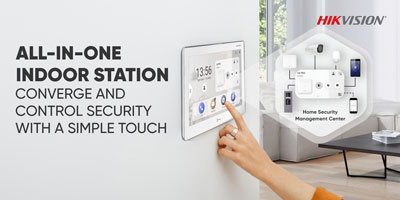
Front-door intercoms help staff check who is outside before release
Some clinics prefer not to release the front door blindly. In that setup, an intercom system lets staff see or speak with the visitor first, while a stable camera view records the approach, the interaction, and the moment entry is granted or refused.
The release hardware usually means an electric strike or maglock
Once the site wants remote door release, the hardware behind it usually becomes an access-control decision as well as a security one. Many jobs end up using an electric strike or a maglock, depending on the door, frame, fail-safe requirements, and how the centre wants the release sequence to work. The intercom, the release method, and the CCTV view should be planned as one workflow rather than three separate purchases.
Need the Practical Entry Details?
Use Medical Centre Front Door Entry and Intercom FAQs for the more practical detail around Cat6 cabling, PoE switching, monitors, door release, and what the front-door workflow should actually look like after installation.
What usually works best on these zones
| Zone | Usually stronger direction | Why it works |
|---|---|---|
| Front door | Stable identification-oriented entry view plus intercom workflow | The site needs to verify the visitor and review the release event later if needed. |
| Reception | Dedicated fixed evidence view | This is often where aggression, disputes, and staff-safety reviews begin. |
| Staff-only threshold | Threshold coverage, not broad back-of-house blanket coverage | The clinic usually needs to know who crossed in, not to over-monitor the entire internal zone. |
| Dispensary or restricted-room approach | Approach or threshold view with clear access logic | This gives a cleaner review trail while staying more privacy-aware. |
Restricted boundaries should be covered without overreaching
The centre may need to understand who crossed into staff-only or controlled spaces, but that does not mean every interior sensitive area should be monitored casually. Threshold logic matters more than vague blanket coverage.
After-hours access should be planned separately
A clinic that is orderly during the day can become an entirely different security environment after hours, especially around rear entries, staff-only corridors, or controlled storage zones.
Worked examples
Example: one-front-door suburban clinic
Situation: Staff wanted to stop releasing the front door blindly and also wanted clearer footage if someone became abusive at reception.
Solution used: A stable front-door camera, intercom-linked release, and a dedicated reception view that clearly showed the interaction zone.
Why this was chosen: These were the scenes most likely to be reviewed later and most directly tied to staff safety.
Example: clinic with dispensary threshold and rear staff corridor
Situation: Management needed to understand access into restricted areas without placing cameras too broadly in sensitive spaces.
Solution used: Threshold-focused views on the dispensary and rear staff corridor approaches rather than trying to monitor the entire interior.
Why this was chosen: It answered the access question while keeping the coverage more proportionate.
Decision points on this page
| Question | Usually stronger direction | Reason |
|---|---|---|
| Which zone needs the clearest treatment? | Prioritise the scenes most closely tied to after-hours visitor contact, restricted-room access review, dispensary threshold, and after-hours front door. | Those are usually the views that management is actually forced to rely on later. |
| Where does the site need stable evidence rather than general context? | Use repeatable control-point views before adding broader overview coverage. | Context is useful, but stable views are what usually settle a real dispute or review request. |
Sample scenarios
Dr Lewis's site decision
At Dr Lewis's general-practice clinic, one thing becomes clear: The scene needs to explain the transaction or interaction clearly, not just show that people were present somewhere nearby. That usually means prioritising the service point and the immediate approach around it. The stronger design is the one that clearly separates public movement from the approach to controlled rooms and limits footage access before an incident creates pressure. In practice that means paying closer attention to the reception entry, waiting room, and the path to dispensary threshold rather than assuming the broader site view will answer everything later.
Priya's review problem
Priya discovered that the original design did not properly explain after-hours visitor contact or activity near the after-hours front door. The lesson was that the site needed a clearer decision about scene purpose before the hardware was finalised. That is usually what separates a useful system from one that only looks complete on paper.
Relevant SecurityWholesalers Product Areas
Medical-centre CCTV usually benefits from stable front-of-house coverage, disciplined staff-only access coverage, and dependable recorder, intercom, and release-hardware planning.
- Intercom systems - Useful where staff want to check who is outside before releasing the front door.
- Access control - Relevant where the centre needs electric locking, staff-only control, or a door-release workflow.
- Electric strike example - A practical example of the kind of release hardware often used where the door setup suits a strike.
- Maglock example - A typical example of the kind of magnetic lock the site may review when the door design suits a maglock approach.
- Hikvision CCTV cameras - A practical starting point for entry, reception, and after-hours coverage.
- HiLook CCTV cameras - A cost-effective Hikvision-backed option for reliable fixed-lens coverage where the site does not need motorised zoom cameras on every view.
- Dahua CCTV cameras - A commercial alternative for mixed internal and external clinic coverage.
- Hanwha commercial cameras - Worth considering where the centre wants a premium commercial shortlist.
- NVRs - Important for retention and secure access to footage.
- Security rack cabinets - Useful where the recorder and network path need stronger physical protection.
Australian Source References
Frequently Asked Questions
-
What is the first camera most medical centres should get right?
In many centres it is the entry and reception sequence because that is where staff-safety and incident-review value often begins.
-
Should the front door intercom be linked to a controlled release?
Often yes. If staff want to identify visitors before entry, the intercom should be planned together with the lock release and the CCTV view that shows the person at the door.
-
Is it usually an electric strike or a maglock?
That depends on the door, frame, compliance requirements, and how the site wants the door to fail and release. The important point is that the intercom and release hardware should be chosen together, not as separate afterthoughts.
-
Should staff-only thresholds be covered?
Often yes, because those thresholds can explain who entered a controlled area and when.
-
Does a waiting-room overview replace threshold coverage?
No. A broad view can help with context, but the thresholds still need their own deliberate treatment.
-
Should the main entry have a separate identification view as well as an overview?
Often yes. One overview camera can show flow and context, but a separate identification-oriented view is often more useful when the site later needs to confirm who approached or entered.