Frequently Asked Questions
What is a Hikvision PTZ camera?
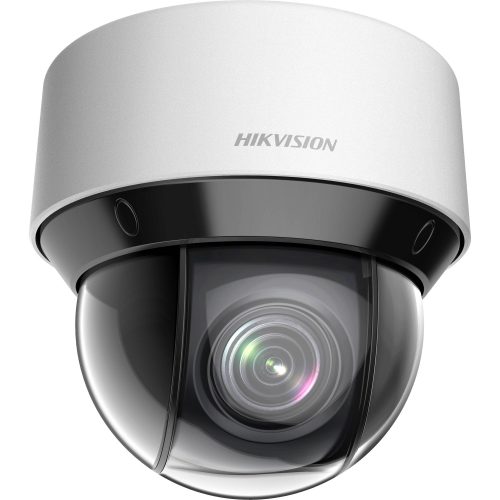
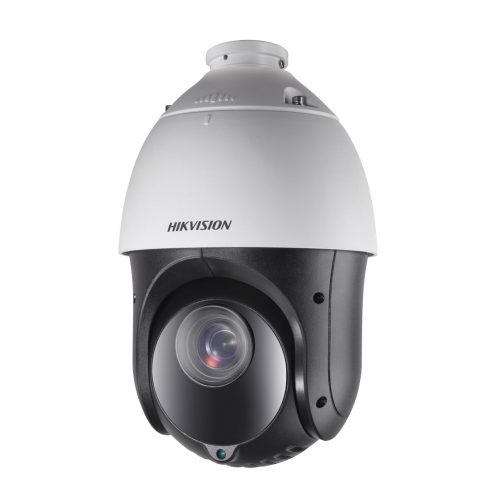
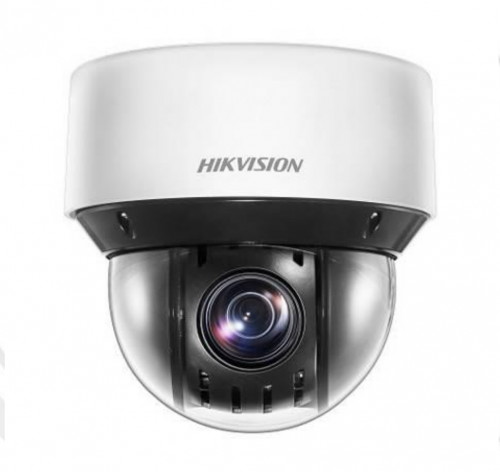
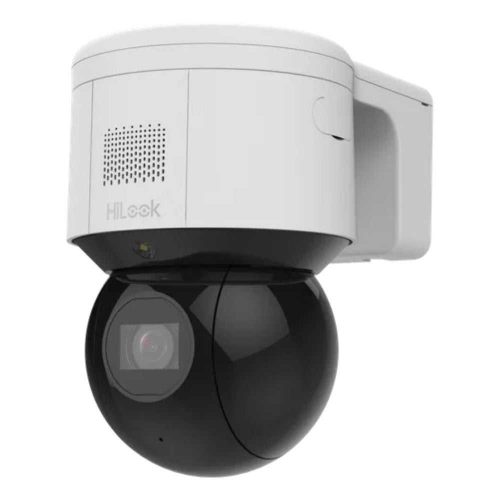
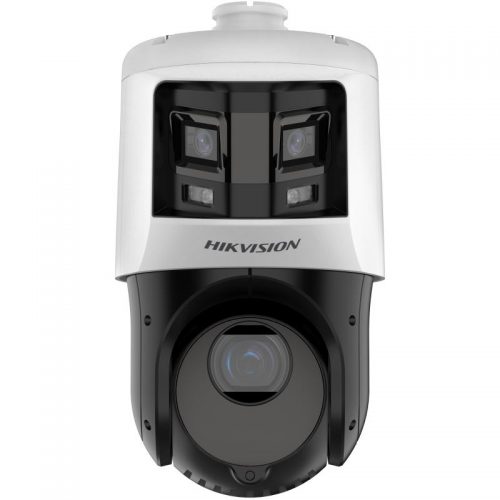
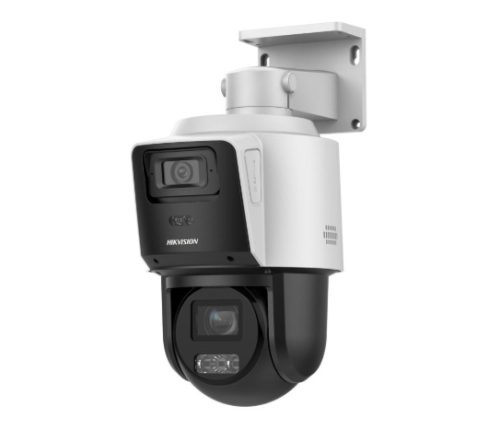
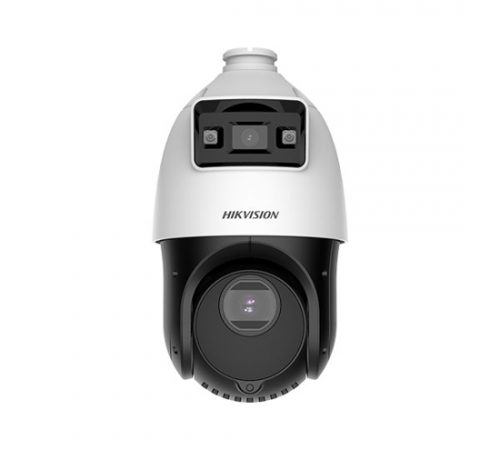
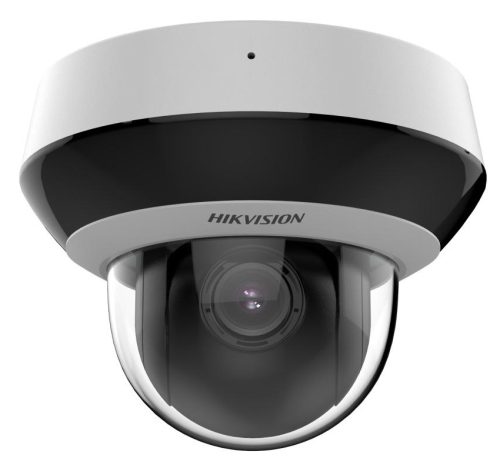
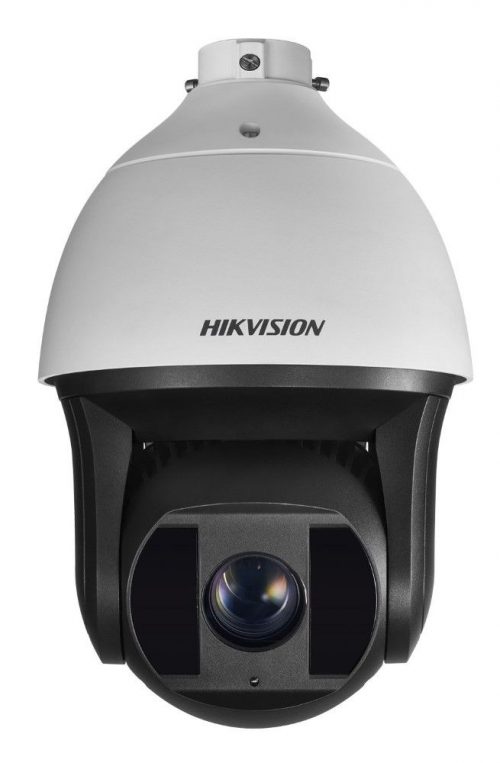
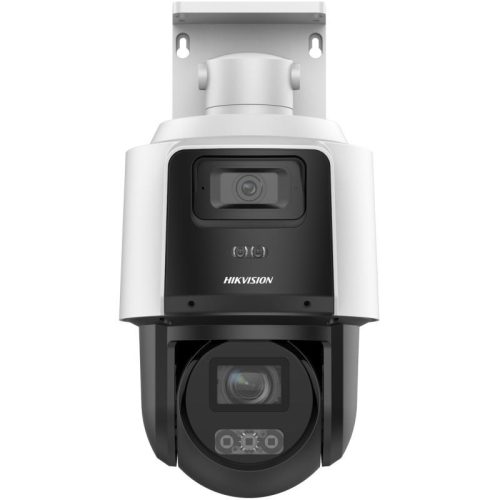
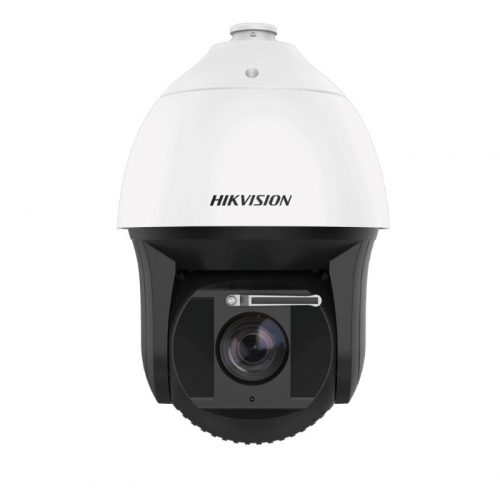
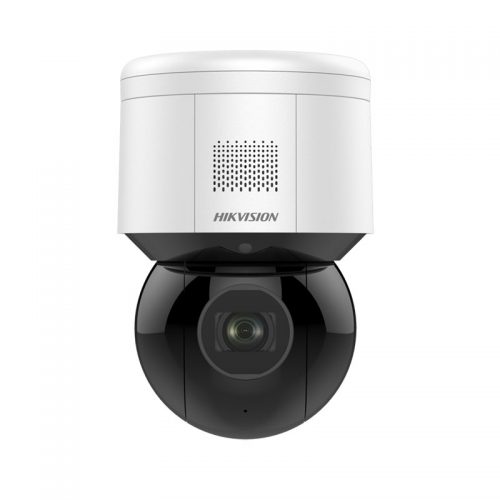
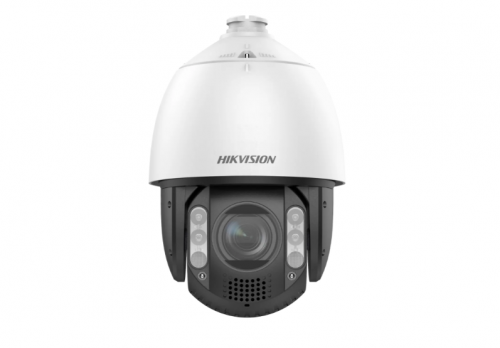
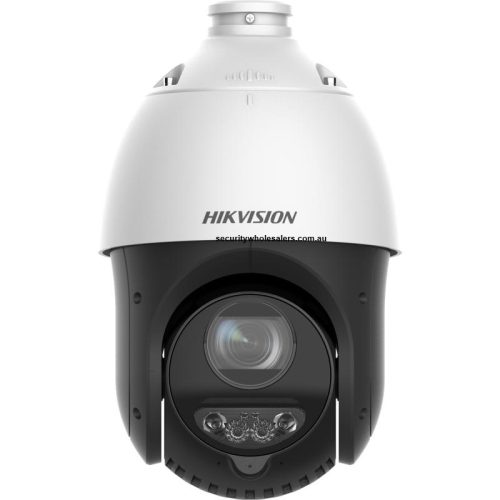
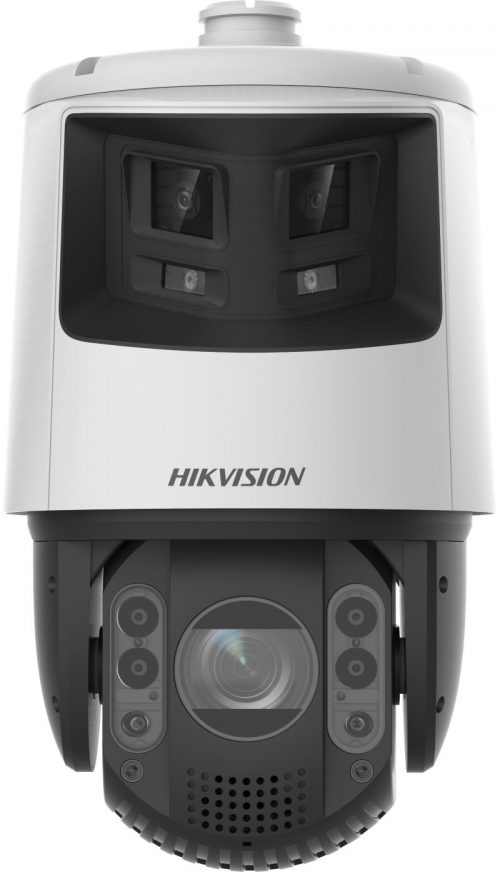
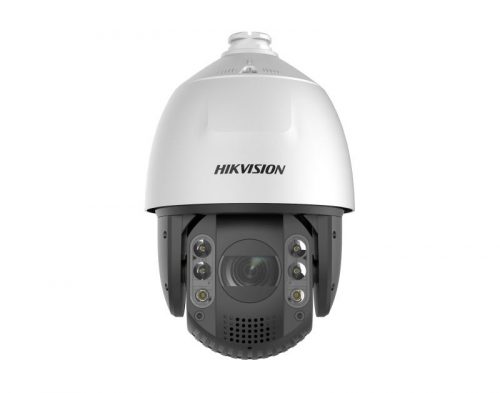
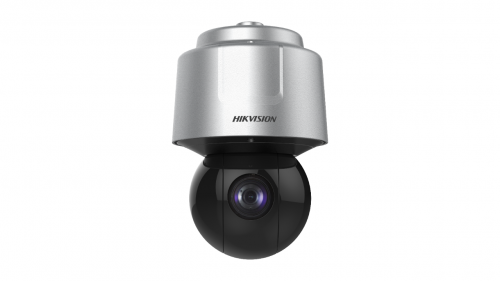
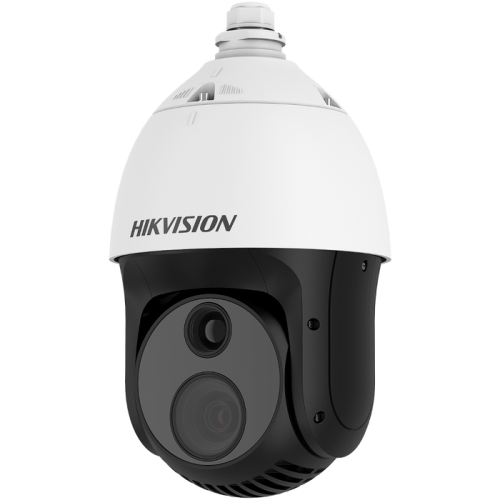
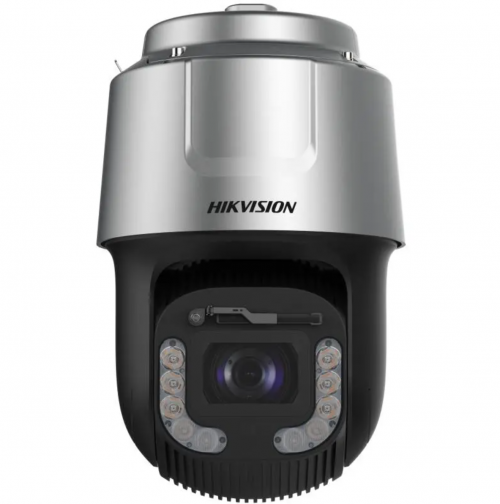
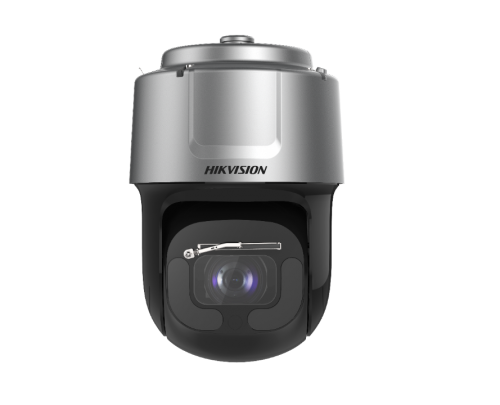
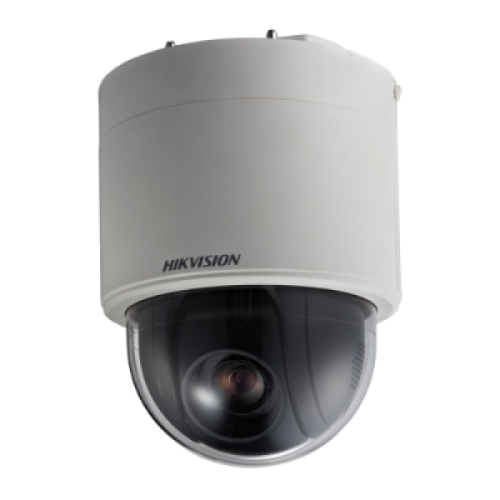
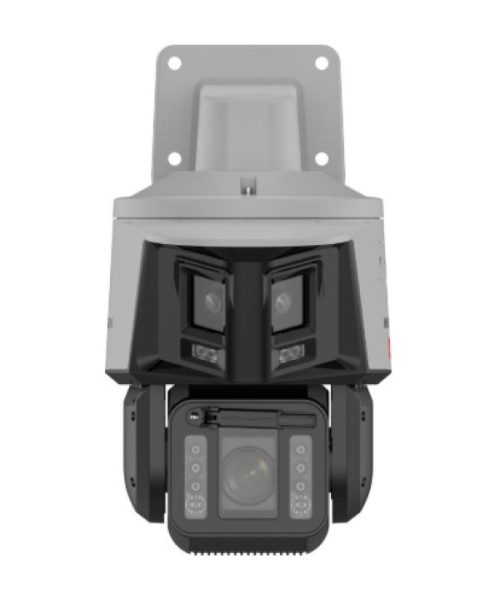
PTZ stands for pan, tilt and zoom. Unlike a fixed camera that continuously watches one defined view, a PTZ camera can move horizontally and vertically and use optical zoom to inspect activity at a greater distance. Hikvision PTZ cameras are available in different sizes, resolutions and zoom ranges, with selected models also providing intelligent tracking, enhanced low-light imaging, audio or deterrence features.
When should I use a PTZ camera instead of fixed cameras?
A PTZ camera is particularly useful where a large open area needs flexible monitoring, such as a car park, yard, warehouse exterior or commercial perimeter. Fixed cameras are generally better for entrances, exits, counters and other locations that need to remain visible at all times. Many CCTV systems use both: fixed cameras provide continuous evidence at critical points while the PTZ can move around the wider site and zoom in when closer inspection is required.
What optical zoom should I choose for a PTZ camera?
Optical zoom should be chosen according to the size of the site and the furthest distance at which you need useful detail. Compact PTZ models with lower zoom ratios can suit smaller areas, while higher optical zoom is valuable for larger car parks, yards and long property boundaries. Camera height, viewing angle and line of sight are also important because additional zoom cannot compensate for an obstructed or poorly positioned camera.
Can Hikvision PTZ cameras automatically track people or vehicles?
Selected Hikvision PTZ cameras support intelligent or automatic tracking of detected targets. This can allow the camera to follow a person or vehicle as it moves through the monitored area, making PTZ surveillance more useful across larger sites. Tracking capabilities vary between models and work best when the camera position, detection areas and scene conditions are suitable. If automatic tracking is an important requirement, compare models that specifically include that capability.
Do Hikvision PTZ cameras work with Hikvision NVRs?
Yes, when paired with a compatible Hikvision NVR. The recorder can provide centralised recording, live viewing and supported PTZ control from the surveillance interface. When adding a PTZ to an existing system, check available channels, recording bandwidth, power requirements and compatibility with any intelligent features you want to use. Larger PTZ cameras may require greater PoE capacity than a standard fixed IP camera.
Are Hikvision PTZ cameras suitable for night surveillance?
Many Hikvision PTZ cameras are designed for night surveillance and include infrared or enhanced low-light imaging. The available night range varies considerably between compact and larger outdoor models. Selected PTZ cameras also use technologies such as DarkFighter, ColorVu or TandemVu to improve performance in challenging lighting conditions. Choose according to the distance that needs to remain visible after dark rather than relying on resolution or optical zoom alone.
Can one PTZ camera replace several fixed CCTV cameras?
A PTZ can cover and inspect a much larger area than many fixed cameras, but it only looks in one direction at a particular moment. If the PTZ is following activity on one side of a property, another important area may temporarily be outside its view. For this reason, fixed cameras are still valuable at entrances, exits and other critical points, while a PTZ can provide flexible monitoring across the wider site.