

















Commercial
Construction Site Alarms, AX Pro, and After-Hours Detection
Return to CCTV Systems for Construction Sites hub
Site Security Guide
Quick answer
Use cameras for view and evidence. Use Hikvision AX Pro when the site also needs real disturbance alerts after hours. On many temporary jobs, AX Pro suits the site better than a heavier wired alarm because it is easier to stage and easier to move as the build changes.
If you want the broader construction site security version of this answer first, go next to Construction Site Security in Australia.
Best construction site alarm system for most temporary jobs
For most temporary Australian construction jobs that need a real alarm path, the strongest starting point is usually Hikvision AX Pro. It is a practical fit because the site can start with one hub, then add outdoor tritechs, outdoor reeds, a sounder and keyfobs as the site grows rather than pretending the site is already ready for a fully finished wired alarm build.
| Approach | Best when | Weakness |
|---|---|---|
| Camera only | You mainly want footage and the site is not asking for live disturbance alerts. | You may only know the office, gate or container was touched after the event. |
| Camera plus AX Pro | You want both evidence and a real after-hours disturbance layer. | Needs detector placement discipline so nuisance alarms do not ruin trust in the system. |
| Heavy wired alarm path | The site is stable, long-term and worth a more fixed alarm design. | Usually heavier and less friendly to temporary site changes. |
Why AX Pro fits construction so well
Wireless suits temporary sites
The site is changing, the fence line is changing, and the office or container may move later. Wireless alarm hardware is often easier to stage than a heavier hardwired alarm job.
It protects the actual disturbance point
Camera might see the approach. The alarm tells you the gate, office, container or cage was actually disturbed.
Keyfobs keep daily use simple
Foremen or authorised supervisors can arm and disarm the site quickly without turning the alarm into a daily nuisance.
Core AX Pro parts that usually matter
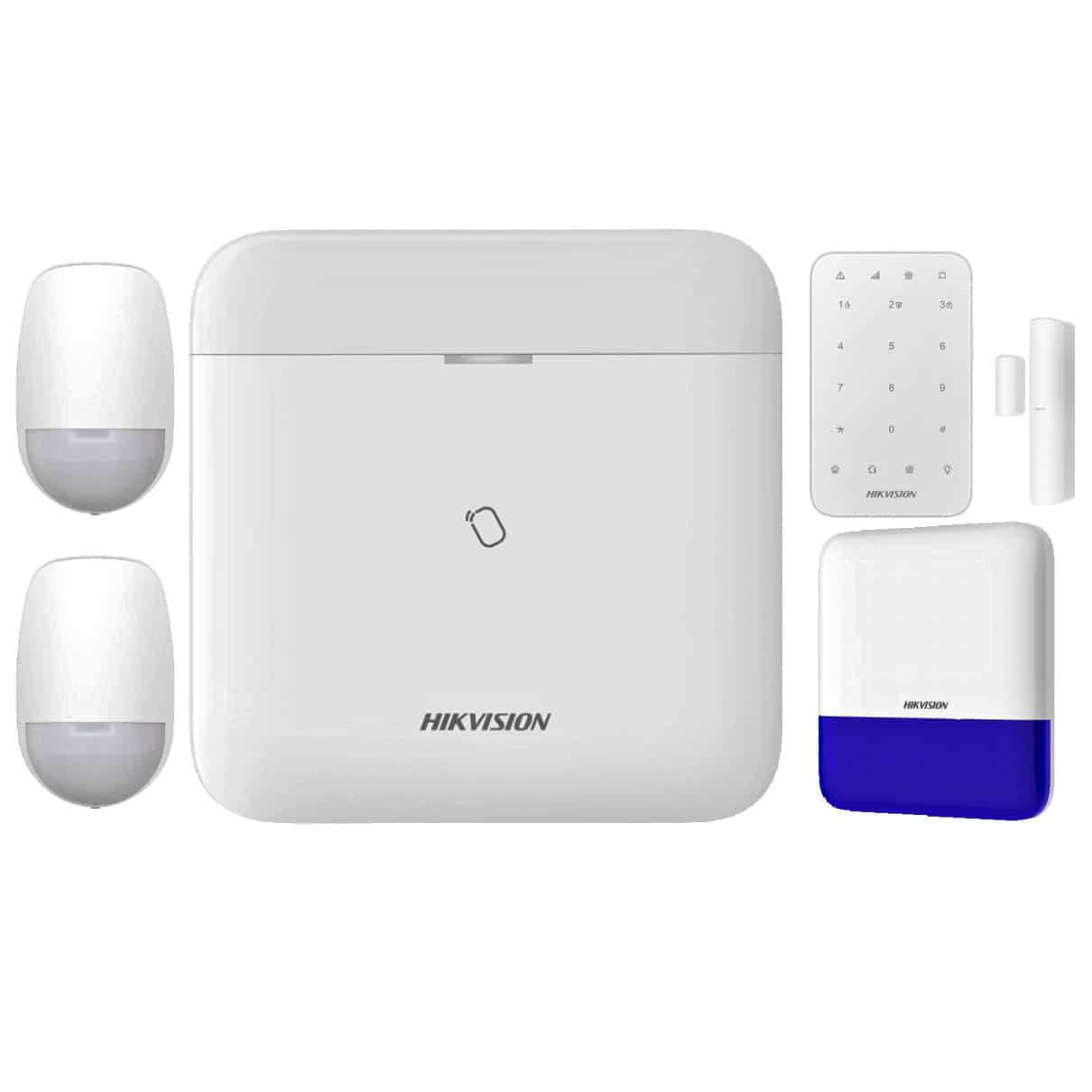
AX Pro hub kit
AX Pro hub kit is the cleanest starting point because it gives the site a real wireless alarm base instead of loose parts with no proper structure.
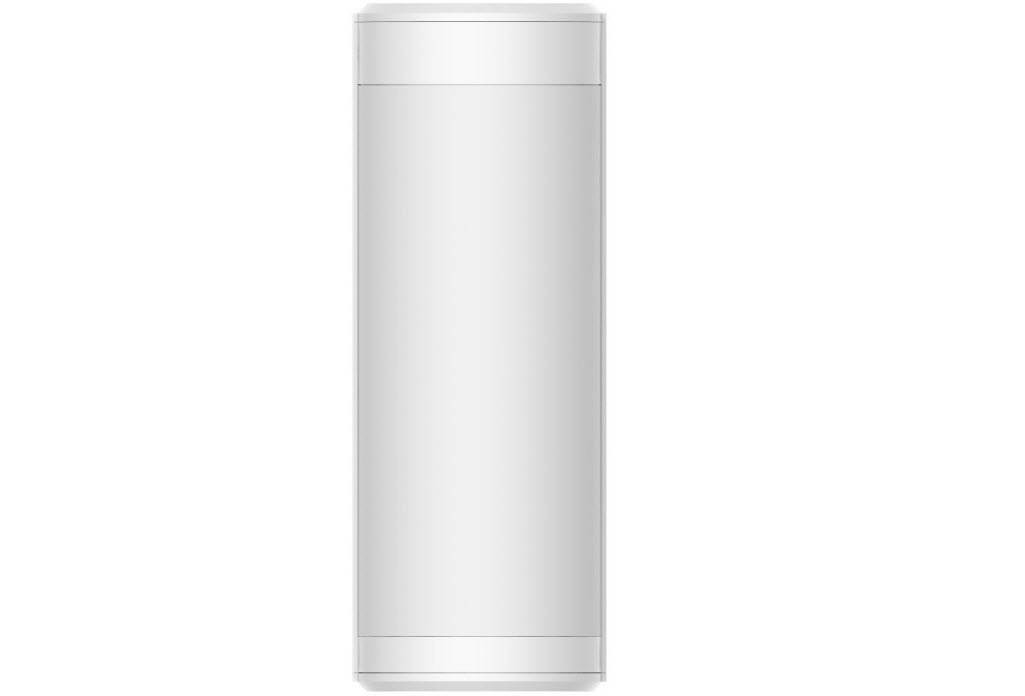
Outdoor tritech detector
Outdoor tritechs fit the approach to offices, containers, compounds and side gates where the site wants movement detection before the intruder reaches the opening point.
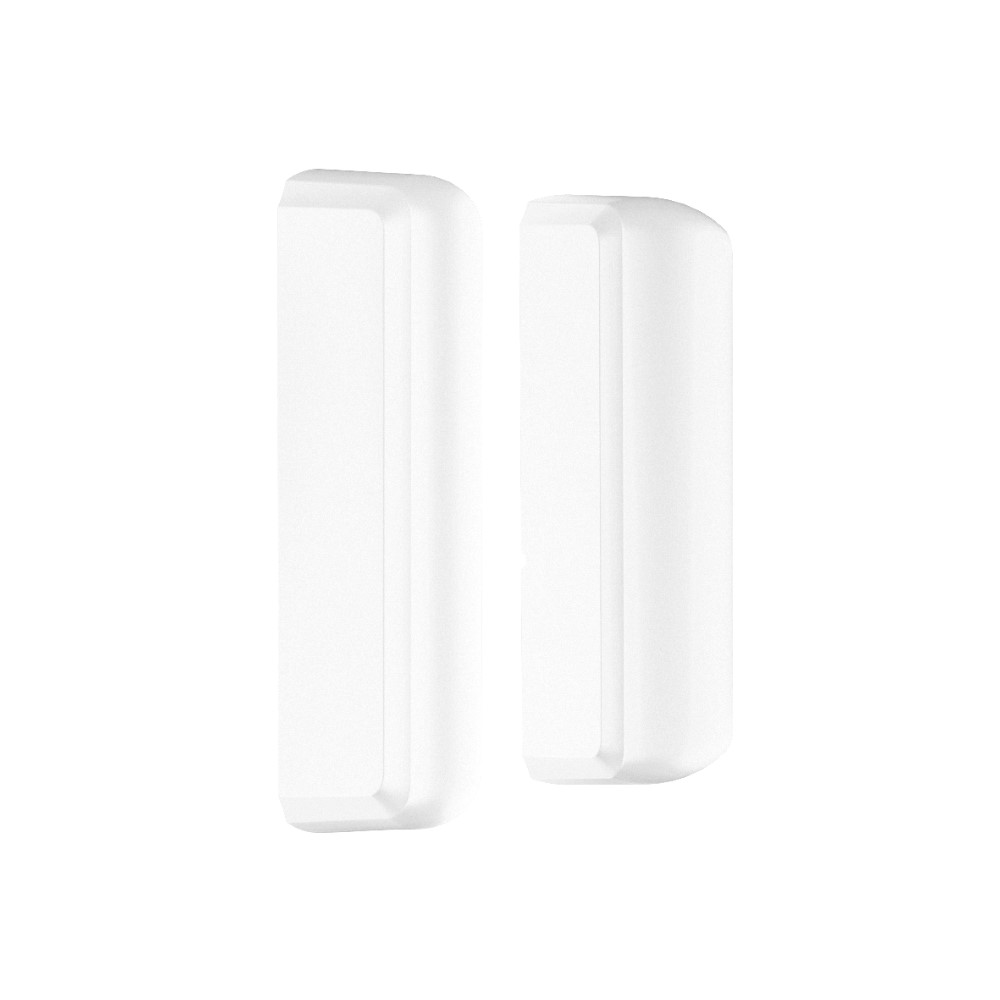
Outdoor magnetic reed
Outdoor magnetic reeds belong on the real opening points such as office doors, container doors, side gates and cages.
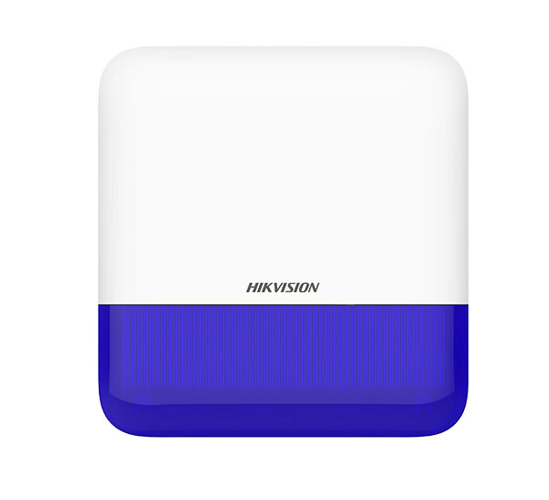
Outdoor sounder
Outdoor sounders add visible and audible pressure after detection, which is often exactly what a vulnerable after-hours site needs.
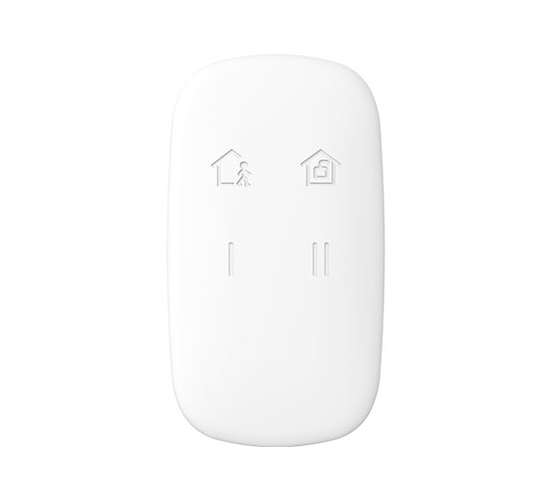
Wireless keyfob
Keyfobs make daily arm and disarm practical for builders, foremen and trusted supervisors instead of turning the alarm path into a nuisance.
Two practical site examples
One gate, one office, one container
Camera: use the VIGI solar kit to watch the gate or the real compound approach.
Alarm: use the AX Pro hub, one outdoor tritech across the office or container approach, one or two outdoor reeds on the office and container doors, one outdoor sounder, and keyfobs for the builder and foreman.
Broader frontage, office, container bank, inner compound
Camera: use the Hikvision solar PTZ or a mixed camera path for broader monitoring.
Alarm: use multiple outdoor tritechs on the approaches to the inner compound and office side, plus reeds on the real opening points. This gives the site a real disturbance layer instead of hoping the PTZ catches everything live.
Outdoor PIR and tritech placement guide
| Detector rule | Better practice | Why |
|---|---|---|
| Do not aim at public walkways | Aim across the protected approach instead | Reduces nuisance alarms from harmless passing traffic. |
| Do not mount on unstable temporary mesh | Use a stable post, wall or structure | Movement at the mount can create unreliability or false events. |
| Do not rely on one detector for everything | Use tritechs for approaches and reeds for doors or gates | The opening event and the approach event are related but different jobs. |
| Do not ignore moving materials | Avoid flapping wrap, mesh and vegetation in the field of view | Construction sites change and bad placement causes nuisance events. |
Common mistakes
- Using camera only where the site really needs a disturbance alert
- Facing detectors at public footpaths, roads or harmless traffic
- Expecting one PIR or tritech to replace reeds on the real opening point
- Mounting detectors on unstable fencing or temporary mesh
- Giving staff no clean arm and disarm method, then blaming the hardware when the site stops using it properly
Best next reads
Best CCTV System for Construction Sites in Australia
Use this when you want the full buying answer across VIGI, Hikvision solar PTZ, Dahua solar PTZ, and now AX Pro alarm layering.
Temporary Power, Solar Cameras and Site Staging
Use this when the question is how the site evolves in stages and where alarm should join the rollout.
Fixed, Motorised, PTZ and Deterrence Cameras
Use this when the site is still deciding which camera type belongs at each zone before the alarm layer is added.
Construction alarm FAQs
Should construction sites use alarms as well as CCTV?
Often yes. Cameras are good for view and evidence. Alarms are good for actual disturbance detection. On many sites, the best answer is both.
What alarm suits a temporary construction site?
AX Pro usually fits well because it is wireless, easier to stage, and suits outdoor detectors, contacts, sirens and keyfobs on changing sites.
How should outdoor PIRs or tritechs be aimed on a construction site?
Aim them across the true protected approach, not straight at public or harmless traffic paths. Also avoid unstable mounting, flapping materials and moving vegetation.