

















-
×
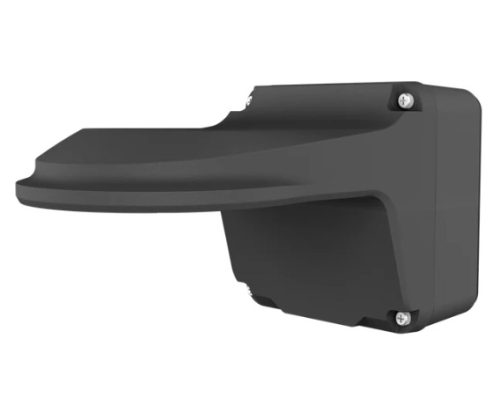 Uniview TR-JB07/WM03-F-IN-V2-BK Black Wall Mount Bracket with Back Hole for 3 Inch Fixed Dome Cameras
1 × $40.90
Uniview TR-JB07/WM03-F-IN-V2-BK Black Wall Mount Bracket with Back Hole for 3 Inch Fixed Dome Cameras
1 × $40.90
Subtotal: $40.90
Support
Technical Support Guide
Use this guide when you need a practical, step-by-step path for a Bosch alarm communication fault after NBN or phone line changes.
Difficulty: Moderate
Estimated time: 15 to 40 minutes
This guide is written for customers, installers and site managers who need a practical path for a Bosch alarm communication fault after NBN or phone line changes.
The quickest way to waste time on support is to jump between settings without proving the physical path, account path or recorder path first. This page keeps the checks in a deliberate order.
Write down the current behaviour before making changes. A clean baseline makes support much easier.
Change one thing at a time and test it properly before moving on.
Collect the model details and a clear symptom description if support needs to step in.
Before changing settings, work out exactly what is failing in this a Bosch alarm communication fault after NBN or phone line changes scenario.
Most support jobs become easier once the physical path, power path or device-online path has been proven locally.
Once the local layer is proven, move to the settings that directly control the issue.
A controlled test confirms whether the problem is solved or whether support needs clearer evidence from the site.
Situation: A customer changed several things before documenting the original fault.
Solution used: The issue was re-tested from a clean baseline and then solved step by step.
Why this was chosen: Support is faster when the symptom and changes are documented clearly.
Installation notes: One clear test result is usually more useful than several vague recollections.
| Symptom | What to check | What to do next |
|---|---|---|
| Problem persists after one change | Multiple possible layers involved | Go back and prove the local condition before changing more settings. |
| Works in one place but not another | Network, permissions or physical-path difference | Compare the working path and the failing path side by side. |
| Problem began after another change | Router, password, firmware, account or power-path change | Write down what changed and compare the last known working state before resetting anything. |
| Fault is intermittent | Timing, load, signal, cable or service instability | Record exact failure times, affected devices, status lights and screenshots so the pattern can be matched. |
| Unsure whether support is needed | Not enough evidence collected yet | Take screenshots, model details and one clear symptom description before escalating. |
Contact SecurityWholesalers support when you have the model details, one clear symptom description, and the basic local and settings checks have already been completed without solving the issue.
Need help choosing or setting up a system? Contact SecurityWholesalers support with your order number, product model and a clear description of the issue.
Start by confirming the exact symptom locally before changing settings.
Because the real issue may be in the physical path, account path or recorder behaviour rather than in the first setting you changed.
After you have confirmed the model, the symptom and the basic local checks and still cannot resolve the issue.
Yes. A local test usually tells you more than an app symptom alone.
Record the exact model, firmware if known, current status, error wording, screenshots and the last time the feature worked. Change one item at a time so the result is traceable.
Not as an early step. A reset may erase network, recording, account or integration settings. Use it only with a backup, known credentials and a model-specific recovery plan.
Repeat the original controlled test, then test the relevant local and remote paths separately. For intermittent faults, monitor long enough to cover the conditions that previously caused the failure.
The order number if available, the product model, firmware if known, screenshots or photos of the current status, exact failure times, and a short note describing what you already tested.