













Commercial
Best Farm CCTV System in Australia
Return to Farm CCTV Guides
Commercial
That is also why rural CCTV buying questions are often more practical than urban ones. People are not just asking about image quality. They are asking whether a camera can survive distance, dust, weather, theft, poor power, mobile black spots, and the reality that a camera may be 300 metres, 800 metres or several kilometres from the main building.
Quick answer
A small farm may only need 4 to 6 cameras around the house gate, workshop and key sheds. A more typical working property often lands around 6 to 12 cameras once the main gate, machinery, fuel, stockyards and remote access points are treated properly. Larger rural sites may need 12 to 20+ cameras, plus a mix of wired PoE, long-range bridges, solar or 4G branches.
Important: one wide camera rarely does gate detail, number plates, broad overview and remote awareness equally well.
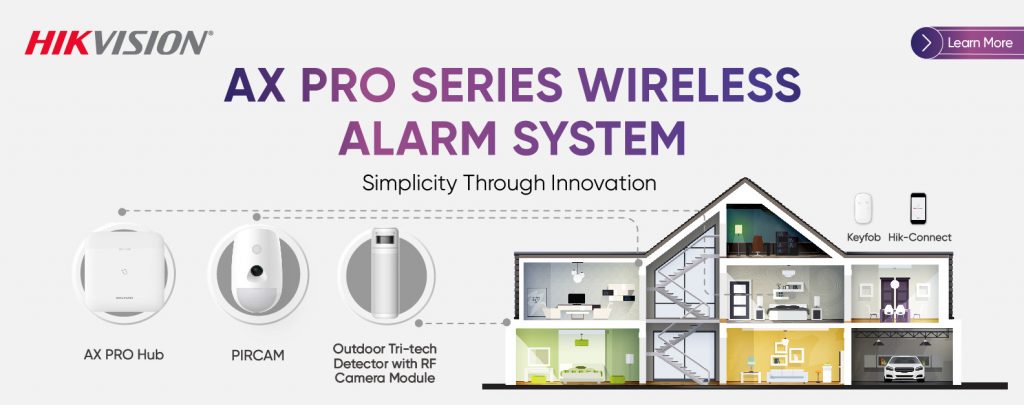
Also worth knowing: some farms are stronger with camera plus alarm around workshops, fuel cages, machinery sheds and enclosed yards. That is where Hikvision AX Pro starts to make sense, provided external detectors are kept away from regular livestock movement.
What this page helps with
- Choosing between wired, solar, 4G and long-range farm CCTV paths
- Working out how many cameras a farm really needs
- Separating gate, shed, fuel and remote-asset jobs properly
- Planning storage and rural connectivity realistically
At-a-glance recommendation table
| Site type | Typical camera count | Recommended system | Notes |
|---|---|---|---|
| Small hobby farm or rural home block | 4 to 6 cameras | 4 or 8 channel PoE NVR | Main gate, house approach, workshop and one shed usually matter most. |
| Working mixed farm | 6 to 10 cameras | 8 or 16 channel NVR | Add fuel, machinery sheds and stockyard entries properly. |
| Broader grazing or cropping property | 8 to 12 cameras | 16 channel NVR plus bridge or solar branches | Remote assets usually force a mixed infrastructure design. |
| Larger rural property with several compounds | 12 to 20 cameras | 16 or 32 channel recorder path | Several sheds, yards and access roads push the system beyond a simple kit. |
| Remote farm with isolated assets | Variable | Mixed NVR, bridge, solar and 4G approach | The infrastructure choice matters as much as the camera choice. |
4 vs 8 vs 16 Camera Farm CCTV Systems
4 camera farm system
Enough for a smaller rural property if you keep the scope disciplined: gate, shed, workshop and one approach view.
8 camera farm system
A strong rural starting point once fuel, machinery sheds, stockyards or rear approaches are included.
16 camera farm system
Better once the farm has several compounds, stock handling areas, longer approaches or remote branches that deserve proper coverage.
What should a farm CCTV system cover?
| Area | Recommended camera type | What to capture | Notes |
|---|---|---|---|
| Main gate | Fixed or varifocal outdoor camera | Who arrived, vehicle approach, gate interaction | This is often the single most important rural camera. |
| Driveway or track | Bullet or longer-lens view | Vehicle approach and context | Long rural approaches often need more lens thinking. |
| Workshop or machinery shed | Fixed camera | Door threshold and internal handling zone | Focus on proof points, not vague wide interiors. |
| Fuel or diesel storage | Fixed or deterrence camera | Approach, handling area and after-hours access | One of the highest-risk farm scenes. |
| Stockyard or remote asset | Fixed, PTZ or solar branch | Movement, handling and access | Often where solar or 4G enters the conversation. |
For deeper planning, use Farm Gates and Driveways, Machinery Sheds, Workshops, and Fuel, and Stockyards, Paddocks, and Remote Assets.
Camera type recommendations
Fixed cameras are usually still the backbone of a good farm system. Varifocal or motorised cameras help on longer rural approaches and awkward distances. PTZs can work for broad observation points, but they should support fixed cameras, not replace them. Deterrence cameras often suit fuel, sheds and isolated after-hours access points. Solar and 4G cameras become useful when trenching is unrealistic, but they should be chosen around real power and upload expectations, not wishful thinking.
Farm security is sometimes better with camera plus alarm
On some farms, another camera is not the best next step. If the real after-hours problem is someone trying a workshop door, opening a side gate, or getting into a fuel cage, a wireless alarm layer can add more value than another broad overview view. Hikvision AX Pro fits well where the farm wants outdoor tritechs, outdoor reeds, a siren and simple keyfob arming around controlled building-side zones.
Important rural warning: external detectors are usually a poor fit for open paddocks, stock lanes, trough areas, feed points or anywhere cattle, horses, sheep, kangaroos or repeated wildlife movement will constantly cross the zone. That is how nuisance alarms get created. Use them around controlled approaches and real opening points instead. For more on that, use Farm Alarms, AX Pro, and External Detection.
NVR, storage and connectivity
Most farms still benefit from a central NVR for the main buildings and key gates. The complication is what to do with remote assets. Some farms can use a point-to-point wireless bridge. Some need a solar or 4G branch. Some should trench fibre or power if the branch is permanent and important enough. For more detail, use Solar, 4G, and Long-Range Design.
| System size | Recording approach | Storage planning note |
|---|---|---|
| 4 to 6 cameras | Continuous on core views | Usually manageable on a small NVR if the farm layout stays disciplined. |
| 8 to 12 cameras | Mixed continuous and event recording | Often where buyers discover that drive size matters more than expected. |
| 12+ cameras with remote branches | Mixed central and remote logic | Storage planning should follow the actual branch design, not just the camera count. |
Recommended buying paths
Small farm path
HiLook and other value-led PoE systems can work well for smaller rural sites close to the main building.
Recommended working farm path
Hikvision, Dahua or Uniview usually make more sense once the site needs stronger external camera choices and a better recorder path.
Remote asset path
Use solar, 4G or long-range bridges only where the site genuinely needs them, and keep expectations realistic.
Related buying categories
CCTV Kits
Useful for smaller farm compounds.
IP Cameras
Better when gates, sheds and yards need a mixed camera approach.
NVRs
Still the strongest base for the main farm branch.
PoE Switches
Important once the farm uses long-range bridges or several buildings.
Privacy and neighbour note
Farm cameras should still respect neighbours, public roads and private spaces. Aim cameras with a clear purpose. This page is general buying guidance, not legal advice.
Suggested next reads
- Farm CCTV Systems Overview
- Best Farm Security System in Australia
- Farm Security Packages and Camera Plus Alarm Paths
- Farm Gates and Driveways
- Machinery Sheds, Workshops, and Fuel
- Farm Alarms, AX Pro, and External Detection
- Stockyards, Paddocks, and Remote Assets
- Solar, 4G, and Long-Range Design
Frequently asked questions
What is the best CCTV system for a farm?
Usually a mixed system that treats the gate, sheds, fuel and remote assets as separate jobs rather than trying to cover the whole property one way.
Are solar and 4G cameras good for farms?
Yes, especially for isolated assets, but only when the power and upload expectations are realistic.
How many cameras does a farm need?
Many small farms start with 4 to 6. Working farms often land around 6 to 12. Larger properties can go higher once remote assets are included.
Should farms use PTZ cameras?
Sometimes for broad observation, but they should support fixed evidence views.
Is wired CCTV better than Wi-Fi on farms?
Usually yes where practical. But many rural scenes are simply too far away, which is why bridges or isolated branches exist.
What camera is best for a farm gate?
Usually a fixed or varifocal outdoor camera that captures the actual gate interaction clearly, not just a broad view of the road.
Should farm CCTV record continuously?
Often on the main branch around gates, sheds and workshops. Remote solar or 4G branches may need more event-led logic.
How much storage does farm CCTV need?
That depends on how many cameras are on the main NVR, what resolution they use and whether remote branches record centrally or separately.
Can one camera cover a long driveway and a gate?
Sometimes for context, but often not for detail. Farms usually get better results by separating the jobs.
Do farms need CCTV signs?
They may, especially where staff, visitors or the public are captured. Signage and notice should not be ignored.