












Commercial
Machinery Sheds, Workshops, Diesel, and Farm Service Areas
High-Value Zone
Machinery sheds and service areas are rarely neat square rooms with one doorway. They usually combine roller doors, side access, work benches, parked equipment, diesel tanks, tool storage, and irregular night lighting. That makes them a poor fit for one ultra-wide camera. The better pattern is usually a small number of purpose-driven views.
Where Fixed Cameras Work Best
Fixed lenses are usually ideal for stable evidence positions: the roller door, the side personnel door, the diesel tank point, the workbench approach, or the zone where machinery is parked overnight. If the owner knows exactly what needs to be seen and from where, a fixed camera often gives cleaner, more repeatable results.
Where Motorised Lenses Help
Large machinery sheds are often deeper than they look in a quote discussion. A motorised lens helps when the camera position is locked in but the final field of view still needs to be tuned. That is useful for long interior bays, open workshop zones, or an external shed apron where machines may sit at different distances.
Low-Light Strategy Matters More Than People Expect
Farm sheds often have mixed light: partial spill from the house, one fluorescent over a bench, shadows behind parked equipment, and little else. That is why it is natural to consider stronger low-light options from Hikvision ColorVu, Smart Hybrid ColorVu, or suitable Dahua ranges where the buyer wants more useful colour footage around machinery, vehicles, and diesel handling points.
Fuel Areas Often Justify Deterrence
Fuel and chemical storage are some of the clearest places to consider active deterrence. A visible white light, audible warning, or two-way talk function can make sense where the owner wants an after-hours warning layer around diesel bowsers, tanks, or locked compounds. The important point is to combine deterrence with a camera angle that still gives useful footage of the approach and the actual handling point.
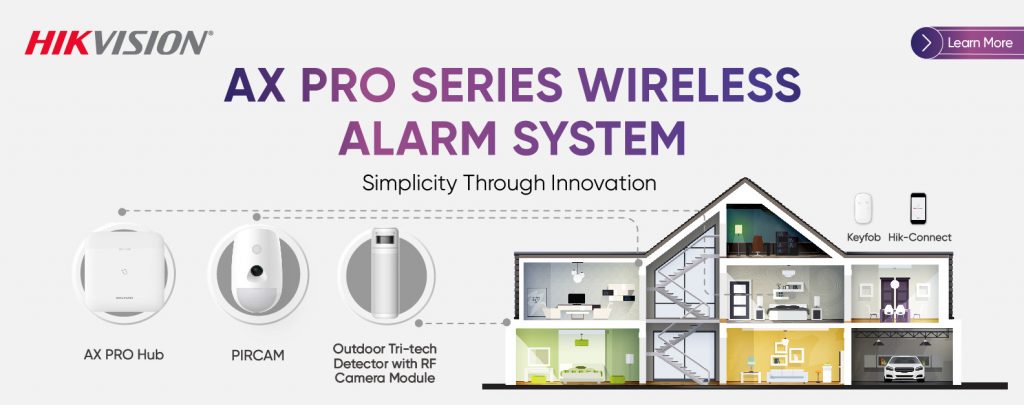
They are also one of the clearest farm scenes where AX Pro external alarms can help. A fuel cage gate or shed side door is a controlled opening point, which is very different from trying to use outdoor motion detectors across an open stock area where large animals will create nuisance alarms.
| Farm Service Area | Likely Best Camera Fit | Why |
|---|---|---|
| Roller door or side door | Fixed lens | Predictable threshold where stable footage matters. |
| Large open shed bay | Motorised lens | Lets the scene be tuned to actual machinery depth. |
| Diesel or chemical point | Fixed or deterrence camera | High-risk area where event review and warning capability both matter. |
| Broader external service apron | Motorised lens or selective PTZ support | Useful where vehicles move through a wider external handling zone. |
Product Areas That Fit This Conversation
For these zones, buyers usually review general Hikvision, Dahua, or HiLook camera ranges, then match them with NVRs, surveillance hard drives, and where needed security cabinets or PoE switching.
Frequently Asked Questions
-
What is the best camera type for farm sheds?
Fixed cameras often suit shed doors, roller entries, and stable internal work zones, while motorised lenses are useful when the shed is large, equipment depth varies, or the owner wants flexibility during setup.
-
Do fuel areas justify deterrence cameras?
Often yes. Fuel and chemical storage are high-value after-hours targets, so a deterrence camera with white light, audio warning, or two-way talk can be a sensible layer when paired with good evidence footage.
-
Is ColorVu or Smart Dual Light useful for farm sheds?
Yes, especially where night activity or after-hours review matters around workshops, diesel storage, and machinery access. Better low-light performance can make plates, clothing colour, and vehicle type easier to interpret.
-
Should one camera cover the whole machinery shed?
Usually not. Large sheds often work better with separate views for doorways, fuel points, work bays, and key storage areas instead of one very wide camera trying to do everything.
-
Should this part of the site be marked on a plan before installation?
Usually yes. A marked-up plan helps confirm viewing direction, blind spots, mounting positions, and whether the chosen camera type still makes sense before hardware is finalised.
-
What matters more here: wide overview or clear identification detail?
That depends on the job of the camera. Some zones need a broad overview, while others need enough detail to identify a person, vehicle, or event clearly.