












Local/Industry
Farm CCTV Systems in Australia
Pillar Page
Need The Straight Buying Answer?
Use Best Farm CCTV System in Australia for the quickest path into camera count, gate strategy, sheds, remote assets, and when solar or 4G actually makes sense.
Use Best Farm Security System in Australia if the real question is broader than cameras and you want the stronger `camera plus alarm` answer as well.
If the farm also needs a real after-hours disturbance layer around workshops, fuel cages, side gates or enclosed yards, go next to Farm Alarms, AX Pro, and External Detection.
On many Australian farms, the property itself forces the design logic. A house gateway, a long driveway, a workshop, chemical or fuel storage, a machinery shed, a stockyard, a loading area, and a remote paddock gate are all very different surveillance jobs. Some are close to power and network. Others need solar or 4G. Some need stable evidence footage. Others need broader situational awareness. That is why farm CCTV almost always becomes a mixed system rather than a one-style rollout.
For SecurityWholesalers, the strongest farm guidance is not "buy this kit." It is helping the customer understand when to use a fixed lens, when a motorised lens saves a bad install, when a PTZ is actually justified, where active deterrence or solar hardware adds real value, and when the site is stronger with camera plus alarm rather than just another broad view.
Start With the Camera Job, Not Just the Brand
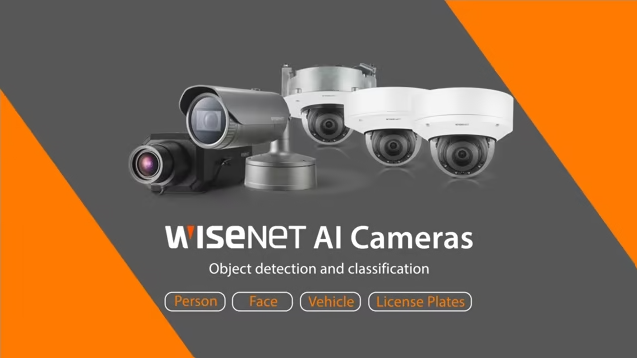
Farm buyers often compare Hikvision, Dahua, HiLook, and sometimes Hanwha. That matters, but the first question is still what each camera must do. A fixed lens is often ideal where the scene is stable and predictable. A motorised varifocal camera is stronger when a long track, gate, or equipment bay needs on-site adjustment. A PTZ belongs where one high point genuinely benefits from active oversight. Deterrence cameras make most sense on vulnerable after-hours points where visible light and audio can discourage intrusion. Solar cameras can be extremely useful where cabling is unrealistic.
How Farms Usually Use the Main Camera Types
| Camera Type | Where It Usually Fits on a Farm | Why It Works |
|---|---|---|
| Fixed lens | Stable gates, shed doors, workshops, fuel points, stock race entry | Gives reliable evidence footage where the target area is known and does not need zoom adjustment. |
| Motorised lens | Long driveway views, machinery bays, uncertain standoff distances, loading areas | Lets the installer tune the field of view properly instead of guessing before arriving on site. |
| PTZ | Broad yards, high mounting points, remote oversight positions, large access corridors | Adds flexible overview where the property genuinely benefits from looking across a wide area from one point. |
| Deterrence camera | Fuel storage, isolated sheds, remote gates, repeated trespass points | Useful where warning light, speaker, or two-way talk may help discourage after-hours intrusion. |
| Solar or 4G camera | Remote gates, paddocks, pumps, tanks, laneways, temporary zones | Extends visibility to areas where trenching power and network is too costly or impractical. |
What a Good Farm System Usually Covers First
- Main entry gate and driveway approach
- House-adjacent workshop or machinery shed
- Fuel, chemicals, or high-value storage
- Stockyards, ramps, or loading points where events actually occur
- Any remote gate or boundary point that repeatedly causes problems
- NVR, storage, and remote access set up in a way the owner can actually use
Product Areas That Fit Farm Projects Naturally
For wired farm zones, buyers will often review general Hikvision, Dahua, and HiLook camera ranges, then match them to NVRs, surveillance hard drives, and PoE switches. For harder rural positions, it is natural to review Hikvision solar cameras and selected PTZ cameras where the property genuinely needs long-range observation.
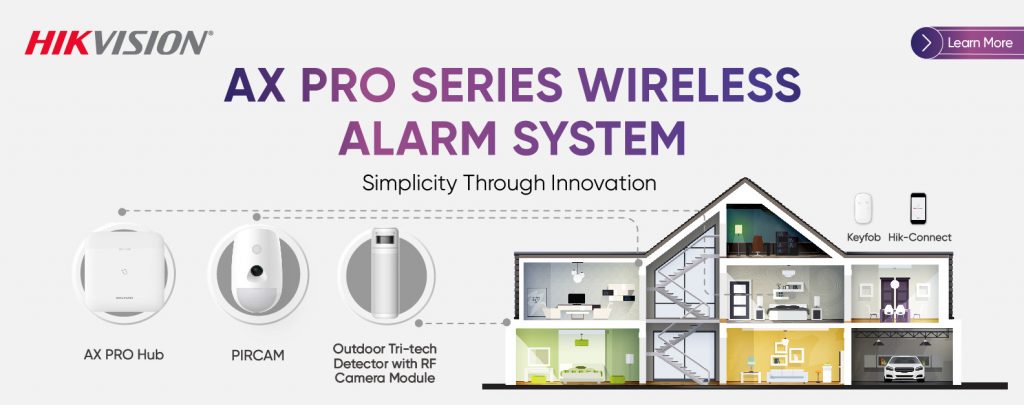
Where the real issue is a workshop door, fuel cage gate, machinery shed side entry or enclosed yard being disturbed after hours, it also makes sense to review Hikvision AX Pro wireless alarms. The key farm warning is to keep external detectors out of open livestock movement areas where large animals and wildlife will create nuisance alarms.
Where Farms Often Waste Money
One common mistake is buying only fixed cameras for every rural problem. Another is buying a PTZ and expecting it to replace evidence cameras at the gate, shed, or tank. The right answer is often a mixed design.
Retention and Planning Tools Matter on Large Rural Sites
Recording time on farms should be decided by what the owner may still need to review later: gate entries, fuel theft, machinery movement, stockyard activity, after-hours trespass, or remote-asset alarms. That target then needs to be checked against camera count, image quality, recording mode, and whether remote solar or 4G cameras are event-driven or recording more heavily. The CCTV Storage Calculator is the cleanest way to size recorder storage once those assumptions are known.
On wired farm systems, power continuity matters too. If the house-side NVR, switch, wireless bridge, or internet path fails as soon as power drops, valuable outage footage can disappear. A sensible UPS plan for the core recorder path is often worthwhile, and the UPS Backup Time Calculator helps estimate realistic runtime.
Because rural properties are spread out, the Camera Planner is especially useful for marking gates, sheds, tanks, stockyards, paddock entries, and long approaches before hardware is chosen. If monitored gates, workshops, customer-facing farm businesses, workers, or contractors need notice, the CCTV Signage Generator is a practical way to prepare draft CCTV signage.
Guide Structure
Best Farm Security System in Australia
Use this if the buyer is really asking how to secure the farm after hours, not just which cameras to buy.
Farm Security Packages and Camera Plus Alarm Paths
Use this for scenario-led package thinking around workshops, fuel cages, remote sheds and enclosed yards.
Farm Gates and Driveways
How to think about long approaches, entrance identification, and when motorised or ANPR-style thinking matters.
Sheds, Workshops, and Fuel
Protect high-value plant, tools, diesel, and service areas with sensible camera and deterrence choices.
Stockyards and Remote Assets
Cover livestock handling points, pumps, tanks, and remote access zones without pretending every area needs continuous close detail.
Solar, 4G, and Long-Range Design
Plan around power, battery, mobile coverage, and when off-grid surveillance actually makes sense.
Farm Alarms, AX Pro, and External Detection
Use this when the farm needs a real after-hours disturbance layer on workshops, fuel cages, gates or enclosed yards, and when you need honest guidance about large animals causing nuisance alarms.
After-Hours Deterrence and PTZ
Use warning audio, white light, and long-range oversight properly instead of as buzzwords.
Australian Source References
Frequently Asked Questions
-
What type of CCTV system do farms usually need?
Farms usually need a mixed design rather than one camera style everywhere. Fixed cameras often suit reliable gate, shed, and yard views; motorised lenses help on long driveways and uncertain distances; PTZ cameras can support broad remote oversight; and deterrence or solar models may be useful where power and cabling are limited.
-
Are solar and 4G cameras useful on farms?
Yes, they can be very useful on remote farm gates, paddocks, pumps, tanks, or laneways where trenching power and network is impractical. They should still be chosen carefully based on run time, sunlight, view priority, and whether the site needs event-based recording or continuous coverage.
-
When does a farm actually need a PTZ camera?
A PTZ usually makes sense when the property has a genuine need to look across a large area such as a remote yard, long access track, or broad equipment zone from one high vantage point. It should normally supplement fixed evidence cameras rather than replace them.
-
Where do deterrence cameras fit on a farm?
Deterrence cameras are often most useful at fuel storage, workshops, isolated sheds, remote gates, and after-hours access points where visible white light, warning audio, or two-way talk may discourage trespass. They are usually less useful as the only camera covering large rural areas.
-
How long should footage usually be kept for this type of site?
That should be based on the real review window for this environment, not a random number. The right answer depends on how quickly incidents are usually discovered and how long the site may need to go back and review footage.
-
Should this type of CCTV system be staged or installed all at once?
Either can be right. Many sites start with the highest-risk zones first, then expand once the camera positions, storage assumptions, and operating procedures have been proven.