












Commercial
Best Home Security Camera System in Australia for 2026
2026 Buying Guide
The short answer
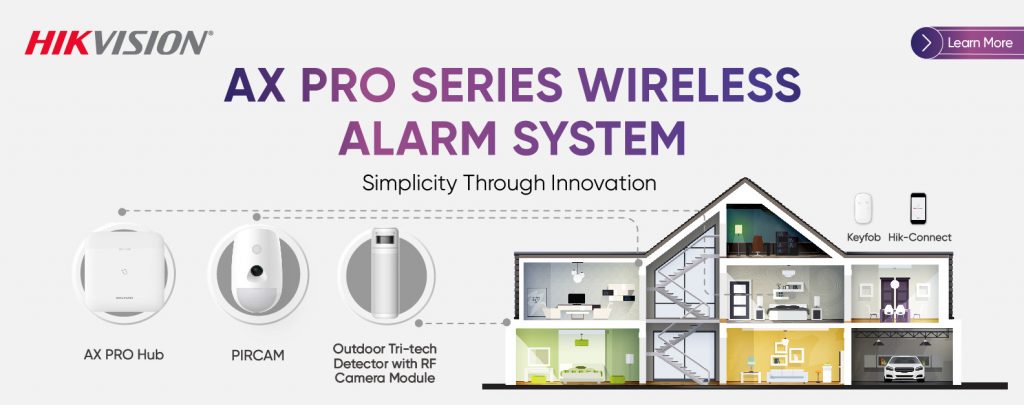
Best overall: Hikvision ColorVu.
Best for active deterrence: Dahua TiOC Pro.
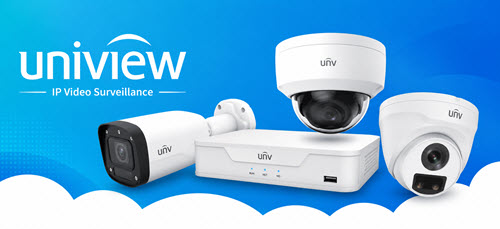
Best alternative/value pathway: Uniview.
Best solar CCTV option: TP-Link VIGI Solar Kit SP9030.
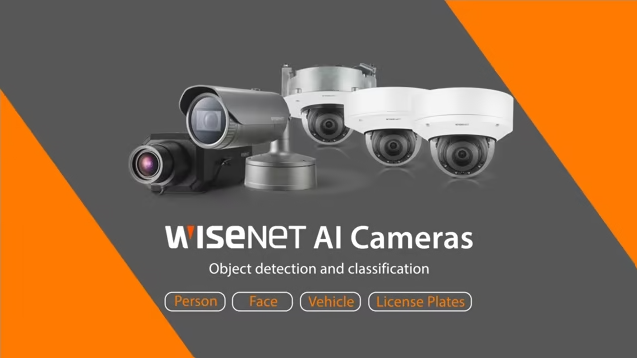
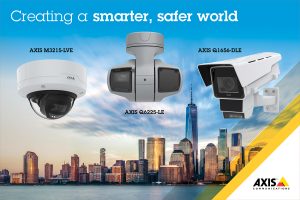
Best enterprise choices: AXIS Communications and Hanwha Vision.
For a typical detached house, begin with four to six 6MP or 8MP PoE cameras, an 8-channel NVR, human and vehicle classification, local surveillance hard-drive storage and remote app access. Use different cameras for different scenes instead of buying one identical camera for every position.
Should you buy wired PoE, Wi-Fi, battery or 4G solar cameras?
Choose wired PoE with an NVR for a permanent whole-home system. One network cable carries power and data to each camera, while the recorder provides central storage and playback. Choose Wi-Fi or battery cameras when cabling is genuinely impractical, not simply because "wireless" sounds easier. Choose 4G solar for a remote scene that lacks both fixed power and a usable network connection.
| System type | Best fit | Recording strength | Main compromise |
|---|---|---|---|
| PoE cameras + NVR | Permanent homes, townhouses and acreage buildings | Best path for continuous multi-camera local recording | Requires safe Cat6 cable routes and an appropriate installation |
| Powered Wi-Fi cameras | Rentals, small additions and positions where power exists but data cable does not | Can record locally or to cloud depending on the model | Performance depends on Wi-Fi coverage, congestion and the device's storage design |
| Battery cameras | Low-activity locations and temporary coverage | Usually event-led rather than a substitute for continuous NVR recording | Battery life falls with activity, live viewing, weak signal and demanding settings |
| 4G solar cameras | Remote gates, sheds, farms and temporary sites | Useful independent remote coverage with local media and remote access where supported | Needs mobile coverage, a data plan, adequate solar exposure and realistic energy expectations |
If the main house can be cabled but one gate cannot, the best answer may be two complementary systems: a PoE/NVR system for the building and a dedicated 4G solar camera for the isolated position.
Best security camera systems in Australia: our 2026 ranking
| Rank | System | Best for | Main reason to choose it | When not to choose it |
|---|---|---|---|---|
| 1 | Hikvision ColorVu | Best all-round home CCTV | Strong night-colour pathway, human/vehicle filtering, hybrid lighting and a broad camera/NVR ecosystem. | If visible-light night colour is unwanted at every position or the project requires a different enterprise platform. |
| 2 | Dahua TiOC Pro | Driveways, gates and proactive deterrence | Combines night colour, classification and light/speaker warning features on selected external approaches. | If neighbours, site policy or the scene makes audible or visible warnings inappropriate. |
| 3 | Uniview | Strong value and capable low-light alternatives | OwlView/ColorHunter and Tri-Guard paths provide clear options for low light and deterrence with practical NVR choices. | If the installer or customer is standardised on another ecosystem and support workflow. |
| Best solar | TP-Link VIGI SP9030 kit | Remote gates, sheds, farms and temporary sites | Combines a 90W solar panel, 30Ah/10.8V lithium battery and 4MP full-colour 4G pan-and-tilt camera in one remote-site package. | If mains power and fixed networking are available, or if the scene needs the continuous multi-camera recording of a conventional NVR system. |
| Enterprise | AXIS Communications | Integration-heavy and cybersecurity-conscious projects | Best considered as a platform for demanding sites, specialist cameras and long-term system integration. | For a straightforward home where enterprise capability and cost are unnecessary. |
| Enterprise | Hanwha Vision | Advanced commercial and enterprise video | Strong camera series, analytics and commercial system options for sites with formal operational requirements. | For a small home that simply needs a conventional four-camera kit. |
How we ranked them: night evidence, alert usefulness, local recording, camera and recorder range, suitability for Australian homes, expansion options, deterrence capability and the clarity of the upgrade path. This is an editorial ranking by use case-not a claim that one brand wins every scene.
Current SecurityWholesalers system examples and price context
Price check: 15 July 2026. Prices and package contents change; use these examples to compare complete systems and confirm the live product page before ordering.
| Pathway | Current example | Indicative online price at check date | What to verify |
|---|---|---|---|
| Hikvision ColorVu - #1 | Eight 6MP ColorVu 3.0 Live Guard cameras, 8-channel M-series NVR and 4TB storage | About $3,252 including GST | Exact camera/NVR models, lens, mounting accessories, installed price and whether eight cameras leave any expansion capacity |
| Dahua TiOC - #2 | Six 6MP TiOC Advanced 3.0 turrets with an 8-channel PoE NVR | About $1,876; confirm whether storage is included because live inclusions can change | Warning behaviour, HDD inclusion/capacity, compatible analytics and whether every position needs deterrence |
| Uniview - #3 | Four-camera 8MP OwlView or six-camera 6MP system pathways | Roughly $1,287-$1,680 for selected current kits | Exact series, hard-drive inclusion, low-light mode, warning features and recorder compatibility |
| VIGI solar | SP9030 solar-power and compatible 4G camera pathway | Component/kit pricing varies; the current SP9030 power-system page was about $1,099 before the selected camera/SIM and installation | Exact bundle, battery specification, carrier signal, data, panel siting, autonomy assumptions and local storage |
#1 - Hikvision ColorVu: best overall home CCTV system
ColorVu is our first recommendation because night footage is where many home systems disappoint. Current ColorVu and hybrid-light options can combine high-resolution imaging, human and vehicle classification, infrared when discreet monitoring is preferred, and visible light when colour evidence or deterrence is useful. That makes the range adaptable across front doors, driveways, side access and backyards.
Who should choose ColorVu?
- Homeowners who want useful colour information from important night events.
- Buyers who want people and vehicles filtered from general movement.
- Properties needing a mixture of ordinary monitoring and active warning cameras.
- Homes that may expand from four cameras to six or eight later.
Our recommended ColorVu home layout
Use ColorVu or hybrid-light turrets on the front approach, driveway and side access. Select active-deterrence versions only where a strobe or speaker is wanted. A rear courtyard that already has good lighting may need a simpler camera. Pair four to six cameras with an 8-channel PoE NVR and choose the hard drive from the required retention period, not the smallest bundle price.
#2 - Dahua TiOC Pro: best for active deterrence
Dahua TiOC is the better fit when the system should warn as well as record. The TiOC pathway combines full-colour or dual-light imaging, human and vehicle classification, a microphone, speaker and visible warning light on compatible models. It is especially compelling for a driveway, front boundary, rear lane, side gate or detached shed.
The best TiOC design is usually mixed. Put TiOC Pro or current TiOC cameras on the two or three approaches where warning behaviour adds value, then use suitable standard or low-light Dahua cameras elsewhere. This avoids paying for-and configuring-active deterrence on every internal or low-risk view.
Choose Dahua TiOC Pro when
- You want an intruder to know the camera has detected activity.
- The highest-risk scenes are gates, driveways, yards or after-hours approaches.
- Two-way audio or a recorded warning is useful at selected positions.
- You want event search and classification through a compatible Dahua recorder.
#3 - Uniview: best alternative for value and low-light choice
Uniview earns third place because it offers a coherent alternative rather than a bargain-bin compromise. OwlView and ColorHunter models focus on colour and low-light imaging, while Tri-Guard adds light and audible warning features. Standard fixed cameras and practical NVRs keep the system grounded when premium features are not needed everywhere.
Choose Uniview for a home, shop or mixed-use property where good IP CCTV, local recording and intelligent detection matter, but where the buyer wants to compare a different price and feature pathway from Hikvision or Dahua.
Best solar CCTV option - TP-Link VIGI Solar Kit SP9030
Our solar winner is the TP-Link VIGI Solar Kit SP9030 with the 4MP outdoor full-colour 4G pan-and-tilt camera. It is the clearest starting choice for a remote gate, detached shed, farm entrance, temporary compound or other single remote scene where trenching power and data cable is not practical.
| Included capability | Why it matters |
|---|---|
| 90W solar panel | Provides a purpose-sized charging source rather than treating a small consumer panel as an afterthought. |
| 30Ah / 10.8V lithium battery | Stores energy for operation outside peak sunlight; actual autonomy still depends on configuration, activity, weather and installation. |
| 4MP full-colour camera | Provides colour scene information where the camera's illumination and conditions support it. |
| 4G connectivity | Allows remote access where fixed broadband or a site network is unavailable, subject to mobile coverage and a suitable SIM/data plan. |
| Pan-and-tilt coverage | Lets the user inspect a broader remote scene, while remembering that a camera looking one way is not recording equal detail in every direction. |
Choose the VIGI solar kit when
- There is no practical mains power at the camera position.
- The site has adequate 4G coverage from the intended mounting point.
- One remote scene matters more than full perimeter coverage.
- The panel can face a suitable direction without persistent shade.
- The owner accepts that solar availability, battery state, live-view frequency and event activity affect runtime.
Do not treat solar CCTV as a universal replacement
If the house already has power and Cat6 cabling is practical, a conventional PoE system with an NVR remains the stronger default for continuous multi-camera recording. Solar CCTV solves a location problem. It should be selected because fixed infrastructure is difficult-not because solar automatically makes the camera better.
Best enterprise CCTV systems: AXIS and Hanwha
A large residence is not automatically an enterprise site. Enterprise CCTV becomes relevant when the project needs formal cybersecurity controls, deep third-party integration, advanced analytics, specialist panoramic or multisensor cameras, multi-site governance, documented user roles or a professional video-management platform.
AXIS Communications
Best for: integration-led projects, specialist camera formats, cybersecurity-conscious deployments and sites designed around a broader video platform.
AXIS should be quoted as a designed system, not compared with a four-camera home kit purely on megapixels.
Hanwha Vision
Best for: commercial and enterprise projects needing advanced camera ranges, analytics, robust form factors and a structured recorder or VMS path.
Hanwha is especially relevant where operational workflows and long-term system design outweigh consumer-kit simplicity.
Choose the system by your highest-priority outcome
| If your main question is⦠| Start here | What to confirm before buying |
|---|---|---|
| "Which system is the safest all-round recommendation for my house?" | Hikvision ColorVu | Choose hybrid-light and deterrence features by camera position; do not assume every view needs white light or a speaker. |
| "How can the camera warn someone at my driveway or gate?" | Dahua TiOC Pro | Confirm warning-light and speaker behaviour is appropriate for neighbours, pets, bedrooms and local conditions. |
| "What strong alternative should I compare for value?" | Uniview | Compare OwlView/ColorHunter for low light and Tri-Guard for deterrence, then match a compatible NVR. |
| "How do I monitor a gate or shed with no power or fixed internet?" | TP-Link VIGI SP9030 solar kit | Check 4G signal, SIM/data, solar exposure, mounting, battery expectations and local recording. |
| "We need integration, governance or specialist analytics." | AXIS or Hanwha | Define VMS, cybersecurity, retention, user roles, integration and support requirements before selecting cameras. |
| "I need reliable number plates." | Dedicated ANPR design | Vehicle angle, distance, speed, shutter, lens, lighting and capture width matter more than ordinary 8MP resolution. |
Feature comparison: what the labels actually mean
| Feature | Useful for | Important limitation |
|---|---|---|
| Full-colour night vision | Retaining colour information for clothing, vehicles and objects. | Colour still needs light; the camera may use visible illumination in very dark scenes. |
| Hybrid light | Using discreet IR normally and visible light during selected events. | Behaviour depends on model and configuration; test it at the actual scene. |
| Human/vehicle classification | Reducing alerts caused by general movement. | It reduces nuisance events but is not perfect and does not replace good placement. |
| Active deterrence | Warning at gates, driveways, rear lanes and selected boundaries. | Lights and audio may be unsuitable near neighbours or bedrooms. |
| 8MP / 4K | Wider scenes and more crop detail under suitable conditions. | Sensor, lens, light, bitrate, distance and angle can matter more than the pixel count. |
| Pan and tilt | Inspecting different parts of a remote scene. | The camera cannot provide the same close detail in every direction simultaneously. |
| Local NVR storage | Continuous recording, central playback and avoiding cloud-only dependence. | The drive must be sized correctly and the recorder must be secured and maintained. |
What system should you buy for your property?
| Property | Camera count | Recorder | Recommended path |
|---|---|---|---|
| Townhouse or compact home | 2-4 | 4-channel or preferably 8-channel NVR | ColorVu first; Uniview if value is the priority. |
| Standard detached home | 4-6 | 8-channel NVR | ColorVu across key approaches, or a mixed TiOC system where deterrence matters. |
| Large two-storey home | 6-12 | 16-channel NVR if expansion is realistic | Mixed fixed, low-light and varifocal cameras; avoid using one lens everywhere. |
| Acreage with gate or sheds | 8-16+ | 16-channel or larger with PoE switches | House-perimeter cameras plus dedicated gate/driveway cameras and network links to outbuildings. |
| High-end integrated residence | Designed to zones | Professional NVR or VMS | Consider AXIS or Hanwha when integration, governance or specialist coverage justifies enterprise architecture. |
Three complete CCTV system recipes
These are design starting points, not fixed bundles. The exact lens, lighting mode, storage and mounting hardware still need to match the property.
Most suburban homes
Start with: four to six Hikvision ColorVu or Smart Hybrid Light PoE cameras, an 8-channel compatible NVR and a surveillance hard drive sized for the requested retention.
Place them: front entry, driveway, both side paths, rear door and garage or secondary entrance. Use a wider fixed turret near an entry and consider varifocal coverage for a long driveway.
Why it works: it gives strong everyday coverage, central playback and two spare NVR channels when starting with six cameras.
Home needing active warning
Start with: two Dahua TiOC cameras on the driveway and vulnerable side or rear approach, plus two to four compatible Dahua cameras on ordinary monitoring positions and an 8-channel NVR.
Configure: human/vehicle rules, warning schedules, private zones and sensible speaker volume. Do not activate a siren for every movement at every hour.
Why it works: deterrence is concentrated where it can change behaviour without turning the whole property into an alarm zone.
Acreage or remote gate
Start with: a conventional PoE/NVR system around powered buildings, then add the TP-Link VIGI SP9030 4G solar kit at the isolated gate or shed when trenching or a wireless bridge is impractical.
Confirm first: carrier signal at mounting height, data allowance, panel orientation, shade across seasons, local recording media and the effect of frequent live viewing.
Why it works: the main property keeps continuous central recording while the remote scene gets infrastructure-independent coverage.
How to compare CCTV quotes without being misled
A useful quote identifies the complete evidence path. "Four 8MP cameras" is not enough information because two quotes with the same resolution can produce very different night footage, playback speed and expansion options.
| Ask the supplier to state | Why it matters |
|---|---|
| Exact camera and NVR model numbers | Feature names vary by series and generation; a brand name alone does not prove compatibility or capability. |
| Lens for every position | A 2.8 mm overview, a longer fixed lens and a motorised varifocal solve different evidence problems. |
| Night mode at each camera | Confirm whether the scene uses IR, white light, hybrid light or existing ambient lighting-and what a neighbour will see. |
| Detection available on the final combination | Human/vehicle classification, perimeter rules and recorder-side analytics can depend on the camera/NVR pairing. |
| Hard-drive model, usable capacity and retention assumption | Retention changes with bitrate, frame rate, codec, recording schedule and activity. Ask for the assumptions, not a guaranteed number without context. |
| PoE budget, channel headroom and network equipment | An NVR can have spare channels yet lack the power, bandwidth or ports needed for the planned expansion. |
| Mounts, junction boxes, cable type and weather sealing | These are part of a reliable outdoor system, not optional cosmetic extras. |
| Commissioning and handover | The quote should explain zones, schedules, app accounts, password ownership, firmware status and how footage is exported. |
| Warranty and support path | Confirm who diagnoses a fault, what must be returned and whether configuration assistance is included. |
One-sentence buying rule
Buy the system that can show the required face, vehicle or event at the required distance and time of day, store it for the required period, and let the right person retrieve it-without creating unacceptable privacy, lighting or notification problems.
Our recommended home CCTV specification for 2026
- Architecture: wired PoE IP cameras with local NVR recording.
- Recorder: eight channels for most homes, even when starting with four cameras.
- Resolution: 6MP as a capable general baseline; 8MP where wider scenes or crop detail justify it.
- Detection: human and vehicle classification, with zones and schedules configured during handover.
- Night performance: ColorVu/hybrid light on important approaches; IR where visible light is undesirable.
- Storage: surveillance-grade hard drive sized from camera count, bitrate, recording mode and required days.
- Resilience: UPS support for the NVR, PoE switch and network equipment if short outages matter.
- Access: individual app accounts, strong passwords and a written process for removing old users.
Where should home security cameras go?
| Position | Evidence goal | Camera approach |
|---|---|---|
| Front door | Face and visitor interaction | Do not mount so high that only the top of a head is visible. |
| Driveway | Person and vehicle movement | Use 8MP or varifocal where the scene is wide or long; do not promise plates from a generic overview camera. |
| Side access | Person classification after hours | Turret with strong night performance; deterrence can be useful away from bedrooms. |
| Rear door or courtyard | Entry and boundary movement | Choose lighting mode with neighbours and reflections in mind. |
| Gate | Visitor, vehicle or plate evidence | Design for the real distance and angle; use specialist ANPR when reliable plates are required. |
| Shed or garage | Door and asset access | Plan the network and power path before choosing the camera. |
What buyers often get wrong
- Buying the highest megapixel count instead of matching the lens and lighting to the scene.
- Using identical cameras at the front door, driveway, narrow side path and distant gate.
- Filling every NVR channel immediately with no room for expansion.
- Expecting colour footage in complete darkness without visible or ambient light.
- Mounting cameras too high for identification.
- Using a wide overview camera where a plate or face must be captured at distance.
- Ignoring storage until after the system is installed.
- Turning on every notification without zones, schedules or classification filters.
How to use this ranking
Choose ColorVu by default for a strong all-round home system. Move to Dahua TiOC Pro when proactive warning is the main reason for the upgrade. Compare Uniview when value and low-light alternatives matter. Move to AXIS or Hanwha only when the property has enterprise requirements. Then select the exact cameras by position, not by brand loyalty alone.
Get a system recommendation
Send SecurityWholesalers a floor plan or photos showing the front entry, driveway, side access, rear boundary, likely NVR location and difficult night scenes. Include the number of days of footage required and whether installation is DIY or professional.
DIY, professional installation and Australian privacy
DIY can suit
A small system where safe cable routes are accessible, the owner understands network setup, cameras can be mounted safely, and there is a clear plan for weather sealing, recorder storage and app handover.
Use a professional when
The job involves difficult roof access, two storeys, long outdoor runs, detached buildings, fibre or wireless bridges, specialist ANPR, enterprise integration, or formal business requirements.
Camera placement must be proportionate to the property risk. Avoid unnecessary views into neighbouring homes and private areas. Audio recording can raise separate state or territory issues. The Australian Privacy Act does not generally cover a camera used by an individual in a private capacity, but state, territory, council and strata rules may still apply. Businesses and organisations can have additional obligations. This guide is general information, not legal advice; use the Office of the Australian Information Commissioner's security-camera guidance and check the rules relevant to the site.
Why this guide does not rank by price alone
Online prices, promotions and kit contents change. A cheaper kit without the right hard drive, lens, lighting mode or recorder capacity can cost more after replacement or expansion. We rank the system paths first, link to current SecurityWholesalers categories, and ask the buyer to confirm the exact camera models, NVR, storage and warranty shown when ordering.
We also avoid pretending that a single lab specification proves field performance. The useful comparison is whether the complete system can produce the evidence, alerts and playback workflow required at the real property.
How this guide was checked
Jack and Chris of the SecurityWholesalers Editorial Team reviewed the ranking logic, linked SecurityWholesalers product paths and publicly available manufacturer information on 15 July 2026. The review distinguishes published capabilities from site-specific outcomes: a feature listed by a manufacturer still has to be supported by the exact model, recorder, firmware, scene and configuration supplied.
- Hikvision: ColorVu Smart Hybrid Light cameras - official explanation of IR, white-light and event-triggered smart modes.
- Dahua: TiOC 2.0 technology - official overview of dual illumination and active warning behaviour.
- Uniview: Tri-Guard - official overview of ColorHunter, target classification and active deterrence.
- TP-Link: VIGI SP9030 specifications - official solar-panel, battery, weatherproofing and management information. Hardware and regional availability can vary.
- AXIS: lifecycle approach to cybersecurity - an example of the lifecycle considerations that separate enterprise planning from a basic home kit.
- OAIC: security cameras - Australian privacy guidance used as a starting point, alongside relevant state, territory, strata and workplace rules.
What we did not do: this edition does not claim controlled laboratory testing, a nationwide installer survey or guaranteed performance at every property. Where those tests have not been performed, the guide says so instead of inventing field results.
Frequently asked questions
What is the best home security camera system in Australia for 2026?
Our first choice is a wired Hikvision ColorVu PoE system with an NVR. Dahua TiOC Pro is second for active deterrence, followed by Uniview for strong value and low-light options.
Is Hikvision ColorVu better than Dahua TiOC?
ColorVu is our stronger all-round home recommendation. TiOC Pro can be better on a gate, driveway or side approach where visible and audible warning features are the priority. A mixed system is often more sensible than putting deterrence cameras everywhere.
How many cameras does a four-bedroom house need?
Four to six cameras is a common starting point: front door, driveway, two side approaches, rear access and garage or secondary entry. The floor plan and movement routes matter more than bedroom count alone.
Is wired CCTV better than Wi-Fi?
Usually yes for a permanent multi-camera system because PoE supports reliable power, network connectivity and continuous local recording. Wi-Fi remains useful where cabling is not practical.
Is 8MP CCTV worth it?
It is worthwhile on wider or more important scenes where extra detail and crop margin help. A well-positioned 6MP camera can still outperform a poorly positioned 8MP camera, especially at night.
Do cameras work without internet?
A local NVR can continue recording without internet. Remote viewing and notifications normally stop until connectivity returns. The system also requires power unless backup is installed.
What is the best solar CCTV option?
Our solar choice is the TP-Link VIGI SP9030 kit with a 90W panel, 30Ah/10.8V lithium battery and 4MP full-colour 4G pan-and-tilt camera. It suits a remote gate, shed, farm entrance or temporary site where mains power and fixed networking are impractical.
Is ColorVu always in colour at night?
Colour imaging requires enough light. Depending on the model and configuration, ColorVu or hybrid-light cameras can use ambient light, visible supplemental light, infrared or an event-triggered combination. Confirm the exact model's modes and whether visible light is acceptable at the location.
Can an 8MP camera read number plates?
Resolution alone does not guarantee plates. Reliable plate capture depends on distance, angle, vehicle speed, lens, shutter, lighting and how much of the image the plate occupies. Use a dedicated ANPR design when plates are a real requirement.
What are the best enterprise CCTV brands?
AXIS Communications and Hanwha Vision are our enterprise recommendations when integration, cybersecurity, analytics, governance, specialist cameras or multi-site operation justify a designed platform.