

















Local/Industry
Strata Building CCTV Systems
Commercial
Best starting page for buyers
Best CCTV System for Strata and Apartment Buildings in Australia compares 16, 32 and 64 camera pathways, then links deeper into basements, lobbies, intercom crossover and privacy governance.
Security systems layer
If the problem is broader than cameras alone, move next to Best Strata Security System in Australia for intercom, access control and gate workflow.
Strata buildings are difficult because they combine shared property, resident expectations, visitor access, and multiple daily movement patterns. The entry lobby behaves differently from the driveway. The lift landing behaves differently from the basement car park. A side gate or bin area may need different treatment again. That is why the best strata systems are designed by zone and by operational purpose.
In practice, this same page also covers the buyers who describe the site as an apartment building, unit block, townhouse complex, or body corporate property. The hardware and planning questions are usually the same: front entry, common-property movement, basement access, intercom crossover, footage access, signage, and resident privacy.
The strongest strata projects also accept that CCTV is only half the job. The building still needs an agreed position on who can review footage, what the system is for, how intercom and access control overlap with the cameras, and how resident privacy is protected while common property is still covered sensibly.
Match the Camera Type to the Common-Property Job
In most strata schemes, fixed cameras are the backbone. They suit lobbies, lift landings, corridors, mailroom approaches, and other predictable shared spaces. Motorised lenses are often better in basement driveways, visitor parking lanes, or broader external approaches where the field of view needs fine tuning on site. A PTZ may be justified in larger estates, broad podium areas, or bigger shared car parks, but it should supplement rather than replace fixed evidence cameras. Deterrence cameras make most sense at vulnerable after-hours gates, isolated common-property edges, or repeated trouble points.
| Camera Type | Typical Strata Use | Why It Fits |
|---|---|---|
| Fixed lens | Lobbies, lift landings, corridors, mail areas | Stable view for predictable common-property movement. |
| Motorised lens | Driveways, visitor parking, basement lanes, external approach paths | Helps tune the scene properly where distance and width vary. |
| PTZ | Large estates, broad podiums, wider basement or forecourt overview | Adds flexible observation where a single broad common area benefits from it. |
| Deterrence camera | After-hours gates, repeated trespass points, isolated parking edges | Provides a visible warning layer where that response is appropriate. |
Apartment buildings, unit blocks, and body corporate sites usually follow the same planning rules
The practical difference is usually not the label. It is the building layout. A twelve-unit walk-up, a mixed-use apartment building, and a townhouse complex may all have different shared spaces, but they still need the same discipline around common property, by-laws, resident privacy, visitor access, and who can review footage later.
That means the best starting point is usually not "how many cameras fit the budget?" It is "which shared areas generate the most incidents, complaints, or review requests?" Once that is clear, the camera mix, recorder size, and intercom or access-control overlap becomes much easier to plan properly.
Example: twelve-unit apartment block with lobby, lift, and basement ramp
Situation: A small apartment building has repeated parcel complaints, occasional tailgating through the front entry, and arguments over after-hours basement access.
Solution used: Fixed coverage at the lobby and mail area, a tuned driveway or ramp view for the basement entry, and recorder sizing based on several common-property zones rather than a minimal one-door approach.
Why this was chosen: The incidents were happening on predictable shared movement lines, not across every part of the property.
Installation notes: The building entry, intercom, and gate workflow were reviewed together because footage review and resident access questions were already overlapping.
Example: townhouse complex with vehicle gate and side pedestrian access
Situation: A townhouse complex has a vehicle gate, a side pedestrian gate, and repeated after-hours movement near common bins and visitor parking.
Solution used: The design focused on the vehicle gate line, side gate approach, and parking movement rather than trying to give every private frontage equal treatment.
Why this was chosen: The real review value sat on common-property access points and shared circulation zones.
Installation notes: This kind of site benefits from clear signage and an agreed footage-access process before the first resident dispute arrives.
What usually works best in strata
| Common-property problem | Usually stronger direction | Why it works |
|---|---|---|
| Front entry complaints or parcel disputes | Stable lobby and mailroom approach views | These are the scenes committees and managers most often review later. |
| Basement gate or driveway incidents | Tuned driveway or lane coverage, sometimes with stronger low-light planning | The movement path and gate line matter more than broad empty car-park coverage. |
| Resident concern about privacy | Threshold-focused common-property coverage plus clear governance rules | The building learns more from controlled transitions than from overreaching into private life. |
| Visitor entry and tag-management problems | Plan CCTV with intercom and access control together | These workflows usually overlap in real use even if they were bought separately before. |
Where Product Selection Usually Starts
Most strata projects will review standard commercial ranges from Hikvision, Dahua, and sometimes Hanwha, then pair them with NVRs, surveillance hard drives, intercoms, and where appropriate access control.
Intercom and Access Control Need Governance Too
In many apartment buildings, the real challenge is not just buying a new intercom. It is deciding how visitor release should work, how resident tags or fobs are managed, how lost credentials are revoked, what event logs are retained for auditing, and whether any lift controller logic should restrict movement beyond the front door. Those decisions shape the right hardware just as much as the product brand does.
That is why the building should treat intercom, access control, CCTV, and common-property governance as one planning stream. The deeper guide on this is Intercom, Access Control, and Upgrades, with additional lift-related considerations in Lifts, Corridors, and Common Property.
Governance is part of the system
Because strata schemes involve residents, visitors, and shared-property rules, the site should be clear on purpose, signage, footage access, and how the system fits with by-laws or management processes. The hardware can be excellent and still create conflict if nobody has agreed how the building should use it.
Common mistakes on strata CCTV projects
- Trying to cover every complaint with another camera instead of deciding which common-property transitions really matter.
- Installing the system before the committee has agreed who can access footage and under what circumstances.
- Treating apartment, body corporate, and strata search terms as if they describe different hardware problems when the real issue is usually layout and governance.
- Planning the lobby cameras without reviewing the intercom and entry-release workflow at the same time.
Plan Retention, Signage, and Common-Property Layout Properly
Strata recording time should be based on the building's real incident-review needs: entry disputes, lift or lobby incidents, basement car park events, gate problems, or after-hours trespass. That target then needs to be tested against camera count, image detail, and whether some zones record more heavily than others. The CCTV Storage Calculator is a practical way to size recorder storage once the scheme has settled those assumptions.
Buildings should also think about what happens during a short blackout. If the recorder, main PoE switch, intercom path, or basement network equipment drops immediately, the scheme can lose the most useful outage footage. The UPS Backup Time Calculator helps estimate whether the key recording path has enough backup runtime.
The Camera Planner is useful for marking lobbies, driveways, mailrooms, lifts, and common-property approaches on a plan before a quote is finalised. Where the building needs resident and visitor notice, the CCTV Signage Generator helps draft monitored-area signs that match the real layout.
Lobbies, Entries, and Mailrooms
Front-of-building zones where fixed cameras and entry workflow matter most.
Car Parks, Driveways, and Gates
Where motorised lenses, low-light, PTZ support, and deterrence are most likely to matter.
Lifts, Corridors, and Common Property
Predictable pedestrian zones that usually reward stable fixed views.
Intercom, Access Control, and Upgrades
How to think about building entry as a whole system, not separate products.
Privacy, By-laws, and Footage Access
Practical governance questions that should be settled before the next building dispute.
Australian Source References
Frequently Asked Questions
-
What kind of CCTV system does a strata building usually need?
Most strata buildings need a common-property system covering the key shared areas such as entries, lobbies, lifts, car parks, stairwells, and external approaches. The best systems are designed around each zone rather than trying to treat the whole building the same way.
-
When should strata schemes use fixed, motorised, PTZ, or deterrence cameras?
Fixed cameras usually suit lobbies, lift landings, and corridors. Motorised lenses are often better for driveways, car park lanes, or broader external approaches. PTZ cameras may help in larger estates or broad common-property areas, while deterrence cameras are usually best reserved for remote gates, after-hours car parks, or vulnerable perimeter points.
-
Should strata CCTV be linked with intercom or access control?
Often yes. Building entries, visitor access, tag management, audit logs, and even lift control can work better when CCTV is designed alongside intercom and access control rather than as a separate layer.
-
Why does privacy matter so much in strata CCTV?
Because cameras in multi-residential environments affect residents, visitors, contractors, and common-property use. The scheme needs clear purpose, signage, access rules, and by-law or governance alignment rather than vague assumptions.
-
How long should footage usually be kept for this type of site?
That should be based on the real review window for this environment, not a random number. The right answer depends on how quickly incidents are usually discovered and how long the site may need to go back and review footage.
-
Should this type of CCTV system be staged or installed all at once?
Either can be right. Many sites start with the highest-risk zones first, then expand once the camera positions, storage assumptions, and operating procedures have been proven.
Best product paths to compare first
A strong buying guide should not force one kit onto every site. These SecurityWholesalers product paths are practical starting points to compare against the actual risk, lighting, camera count and recorder needs on the site.
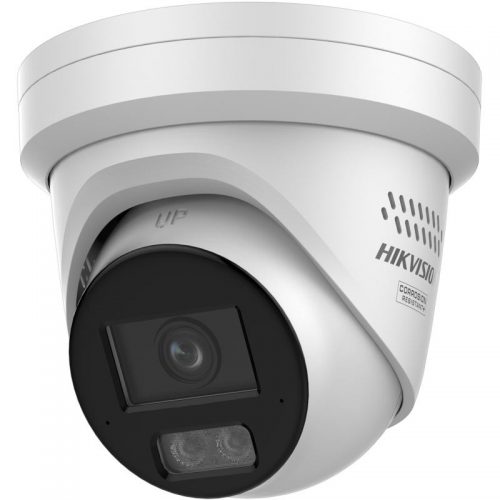
Hikvision commercial CCTV
Best first comparison for broad commercial CCTV, low-light options, deterrence cameras, ANPR, PTZ and mature recorder workflows.
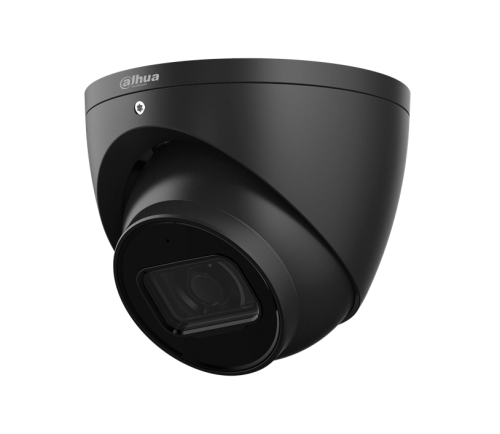
Dahua commercial CCTV
Strong alternative for value-focused business systems, WizSense/WizColor style detection, TiOC deterrence and practical NVR paths.
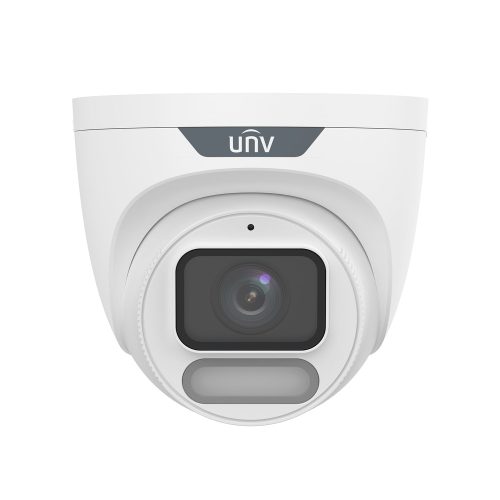
Uniview CCTV
Useful when the buyer wants a capable commercial IP CCTV system with sensible fixed cameras, OwlView, Tri-Guard and NVR options.
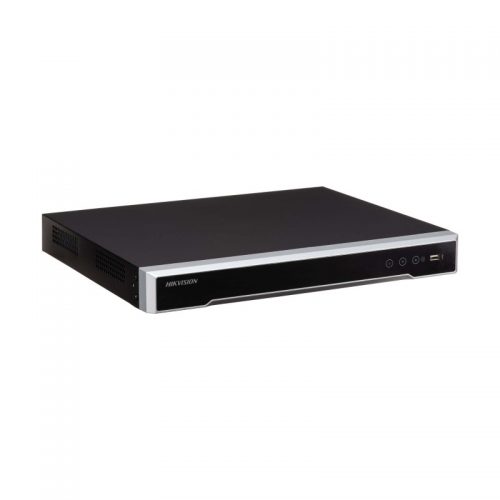
NVR and storage path
The recorder is the backbone of the system. Confirm channel count, storage, PoE budget, remote access and review workflow before finalising cameras.
Buyer decision table
| Buyer priority | Usually compare | What to confirm before ordering |
|---|---|---|
| Clean everyday evidence | Fixed turret or dome cameras | Camera height, lens width, lighting and storage time. |
| After-hours deterrence | Live Guard, TiOC, Tri-Guard or alarm plus CCTV | False-alarm risk, neighbours, notification workflow and response procedure. |
| Vehicle or gate activity | Dedicated gate views, ANPR where needed, and overview cameras | Whether the buyer needs readable footage, searchable plate events, or gate automation. |
| Large or awkward areas | Motorised varifocal, PTZ support or multiple fixed cameras | Whether the PTZ will be actively used or fixed evidence cameras are more valuable. |
Quote-ready checklist
- Mark the exact doors, gates, counters, car spaces or restricted areas that must be reviewed after an incident.
- Decide whether each view needs identification detail, general overview, deterrence, audio, ANPR or only movement context.
- Confirm lighting at night and whether visible white light or speaker warnings are acceptable.
- Estimate final camera count before choosing an NVR so the system has room to grow.
- Confirm who can view footage, who can export it, and how long the site needs to retain recordings.