












Commercial
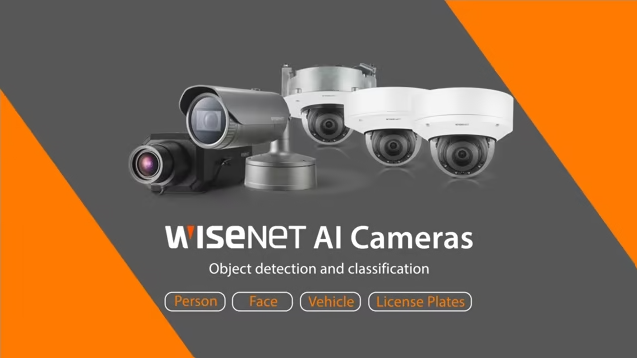
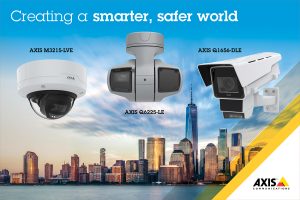
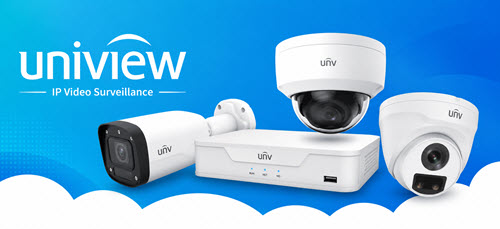
Jeweller CCTV Fixed, Motorised, PTZ, and Deterrence Cameras
Supporting Guide
Fixed cameras still do most of the evidence work
Fixed cameras are strongest at the entry, counter, showcase approach, workshop threshold, and stock or safe-room access because those scenes repeat and require stable evidence.
Motorised lenses help when the scene is hard to judge on paper
Motorised lenses can be useful across a wider frontage, a long showroom, or a mixed customer-service space where the installer needs to tune the scene precisely.
PTZ and deterrence cameras should be used with discipline
Some larger or prestige stores may justify a PTZ for wider showroom context, but it should not replace the fixed evidence views that matter at entry and counter level. Deterrence cameras usually fit best after hours at the rear entry, service lane, roller-door edge, or other vulnerable access points where visible warning may discourage intrusion.
Camera-choice table
| Camera path | Usually strongest for | Common mistake |
|---|---|---|
| Fixed lens | front entry, counter showcase, and controlled thresholds such as strongroom threshold | Trying to make one broad fixed view solve several different scene depths at once. |
| Motorised lens | Longer or wider scenes such as service desk or mixed-depth external approaches | Paying for adjustability where the scene is already simple and repeatable. |
| PTZ or deterrence | after-hours rear door or larger overview positions where live follow-up or visible warning has a clear purpose | Using PTZ or flashing deterrence as a substitute for stable fixed evidence views. |
Sample camera-choice scenarios
Alicia's control-point layout
At Alicia's site, the front entry, counter showcase, and strongroom threshold are repeating scenes where stable evidence matters most. Fixed cameras are the better answer there because the operator needs dependable footage of the same approach and threshold every day rather than a scene that is re-tuned constantly.
Tom's wider external zone
Tom has a more awkward scene around the service desk and the after-hours rear door, where one camera position needs to handle changing depth and night-time activity. A motorised or selective deterrence path makes more sense there than using the same fixed-lens approach chosen for the simpler control points.
Relevant SecurityWholesalers Product Areas
Jewellery stores usually benefit from commercial fixed cameras, stronger low-light and after-hours deterrence around entries, and dependable recorder and export workflow for serious incident review.
- Hikvision CCTV cameras - A practical starting point for entry, counter, and back-of-house coverage.
- HiLook CCTV cameras - A cost-effective Hikvision-backed option for reliable fixed-lens coverage where the site does not need motorised zoom cameras on every view.
- Dahua CCTV cameras - A strong commercial alternative for retail and after-hours coverage.
- Hanwha commercial cameras - Worth considering where the store wants a premium commercial shortlist.
- Smart Hybrid ColorVu cameras - Relevant where the store wants stronger after-hours warning and low-light detail.
- Security rack cabinets - Useful where the recorder and network path need stronger physical protection.
Australian Source References
Frequently Asked Questions
-
When does a fixed lens usually make sense for jewellers?
Fixed cameras are strongest at the entry, counter, showcase approach, workshop threshold, and stock or safe-room access because those scenes repeat and require stable evidence.
-
When is a motorised lens worth paying for?
Motorised lenses can be useful across a wider frontage, a long showroom, or a mixed customer-service space where the installer needs to tune the scene precisely.
-
Do jewellers sites really need PTZ cameras?
Some larger or prestige stores may justify a PTZ for wider showroom context, but it should not replace the fixed evidence views that matter at entry and counter level.
-
Where do deterrence cameras fit?
Deterrence cameras usually fit best after hours at the rear entry, service lane, roller-door edge, or other vulnerable access points where visible warning may discourage intrusion.
-
Can one PTZ replace several fixed cameras?
Usually no. A PTZ can add flexible overview or live follow-up, but fixed cameras are still the backbone when the site needs stable recorded evidence on key zones all the time.
-
When is a motorised lens worth paying extra for?
It is usually worth it where the final framing is uncertain, the view is long and narrow, or the operator needs to tune the scene carefully during commissioning.