












Commercial
CCTV Systems for Jewellers
Pillar Page
Jewellers combine high-value stock, customer consultation, display cases, counters, work benches, safes, and rear service access. That creates a stronger need for disciplined entry coverage, controlled staff-area visibility, and after-hours protection than many other retail environments.
Fixed cameras are usually the backbone because entry doors, counters, display zones, and stockroom thresholds are predictable evidence points. Motorised lenses can help across a broader showroom or long frontage. PTZs may only make sense on larger shopping-centre frontages or external forecourts. Active deterrence is usually an after-hours tool for rear doors, shutters, and vulnerable approaches.
New buying layer
If you are still deciding what size jewellery-store system to buy, start with Best CCTV System for Jewellery Stores in Australia. It compares small, standard and higher-risk jeweller pathways before you go deeper into showcase, workshop and stockroom views.
How This Environment Should Use the Main Camera Types
Jewellery security usually depends on disciplined fixed views first, then stronger after-hours logic around access and burglary risk.
| Camera Type | Where It Usually Fits | Why It Matters |
|---|---|---|
| Fixed lens | Front entry, counters, display zones, stockroom and workshop doors | Stable head-height and transaction-area views matter most in jewellery security. |
| Motorised lens | Broader showroom, frontage, or longer internal sightline | Useful where the installer needs to tune the scene rather than commit to one guessed lens. |
| PTZ | Selective larger frontage or external forecourt use | Can add overview, but should not replace disciplined fixed evidence coverage. |
| Deterrence camera | Rear entries, shutters, after-hours side access | Useful for night-time intrusion deterrence where high-value stock makes after-hours risk especially important. |
What This Site Usually Needs to Cover First
- Front entry and exit at head-height evidence angle
- Service counters, consultation desks, and display-case approaches
- Workshop, stockroom, and safe-room access points
- Rear doors, loading or delivery points, and side access
- Shopping-centre frontage or forecourt if applicable
- After-hours perimeter and burglary-prone approach paths
Decision points on this type of site
| Question | Stronger direction | Why it matters |
|---|---|---|
| Where should the first cameras go? | Start with the front entry, counter showcase, strongroom threshold, and the after-hours rear door. | Those zones usually answer the highest-value access, movement, and after-hours questions. |
| Where does broader coverage become useful? | Add wider or adjustable views only after the control points are covered properly. | Broad coverage adds context, but it rarely replaces the scenes that need stable evidence. |
| What should shape the recorder and UPS path? | Retention expectations, outage tolerance, and how often management will need to review showcase theft. | A weak head-end path can undermine an otherwise sensible camera layout. |
Sample scenarios
Alicia's jewellery store
Alicia is trying to decide where to spend the first stage of the CCTV budget. The stronger answer is to start with the front entry, counter showcase, strongroom threshold, and the after-hours rear door rather than buying broad overview coverage for the whole site. Those views are more likely to answer real questions around showcase theft, restricted access, and after-hours activity.
Tom's high-value retail showroom
Tom already knows the site wants better security but is unsure whether to spend more on broader cameras or on the recording path. In this case the better outcome comes from a balanced design: stable views on the control points, sensible coverage of service desk, and enough recorder and UPS headroom to hold the footage when after-hours forced entry or a later review request actually matters.
Product Areas That Normally Matter
Jewellers often start by reviewing stronger commercial cameras and recorder design first, then tightening the after-hours and access-control layers around the site.
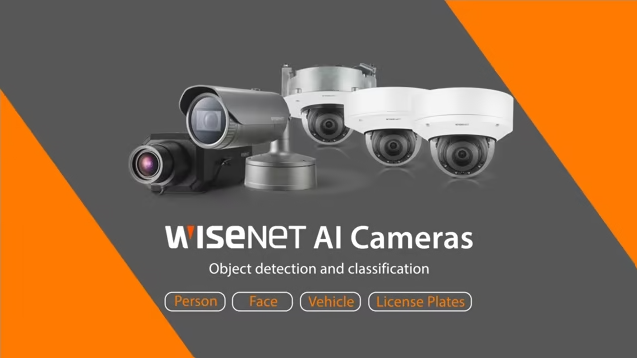
- Hanwha commercial cameras - A strong option where the jeweller wants a premium commercial comparison.
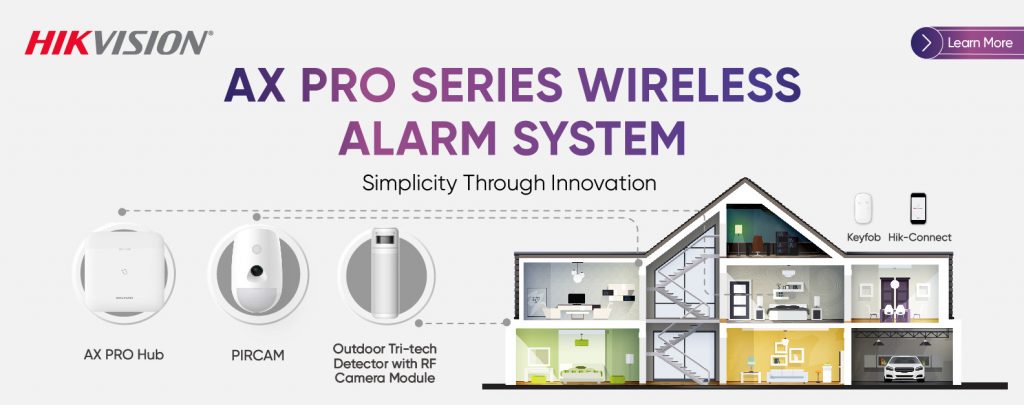
- Hikvision CCTV cameras - A practical starting point for disciplined fixed coverage and low-light after-hours views.
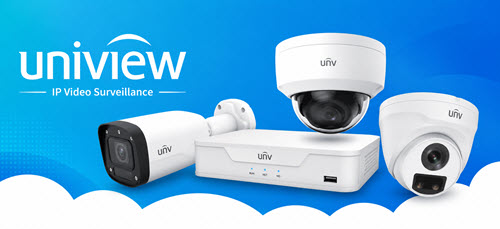
- HiLook CCTV cameras - A cost-effective Hikvision-backed option for reliable fixed-lens coverage where the site does not need motorised zoom cameras on every view.
- Dahua CCTV cameras - A commercial alternative worth considering across entry, counter, and perimeter design.
- NVRs - Important for controlled playback, retention, and secure export workflow.
- Surveillance hard drives - Better suited to continuous recording than general desktop storage.
- Security rack cabinets - Useful where the recorder and switching path need stronger physical protection.
Work Out Recording Time, Storage, UPS, and Layout Early
Jewellers should decide retention from the real incident-review window: suspicious browsing, theft, display handling, robbery response, staff-only access events, and after-hours alarms. Once those assumptions are set, the CCTV Storage Calculator helps size the recorder properly instead of accepting a vague hard-drive recommendation.
The Camera Planner is useful for marking head-height entry views, counters, display cases, workshop doors, and rear-access sightlines on the actual store layout. Because outage footage can matter just as much as normal trading footage, the UPS Backup Time Calculator is a sensible way to estimate backup runtime for the recorder path.
Signage, Compliance, and Operational Boundaries
Jewellers usually need clear monitored-area notice, strong internal discipline around who can access footage, and a practical separation between customer-facing coverage and back-of-house security. The operator should be clear on purpose, access, and export handling before an incident ever occurs.
The CCTV Signage Generator helps prepare practical CCTV notices, and the CCTV Compliance Checker is a smart final pass where the business wants to review its design, notice, and operating assumptions before the system goes live.
Practical Position
If a jewellery design gets one thing right, it should be disciplined entry and counter evidence coverage. Wide general views are useful only after the highest-value evidence angles are already solved.
Explore This Guide Series
This topic now has supporting guides covering placement, camera selection, recording time, privacy, and the most important implementation details for jewellers.
- Jeweller CCTV Coverage Zones and Camera Placement - Plan camera placement for jewellers with practical guidance on the first zones to cover, common blind spots, and how to mark the layout before installation.
- Jeweller CCTV Fixed, Motorised, PTZ, and Deterrence Cameras - Understand how fixed, motorised, PTZ, and deterrence cameras fit into jewellers CCTV designs, and where each camera type is useful.
- Jeweller CCTV Recording Time, Storage, UPS, and Network Planning - Work out recording time, storage, UPS backup, and network design for jewellers CCTV systems with practical planning guidance.
- Jeweller CCTV Signage, Privacy, and Compliance Considerations - Review signage, privacy, footage access, and practical compliance considerations for jewellers CCTV systems.
- Jeweller CCTV for Counters, Showcases, Strongrooms, and After-Hours Risk - Plan CCTV for jewellery counters, showcases, strongrooms, and after-hours access with practical commercial guidance.
Australian Source References
Frequently Asked Questions
-
What should a jeweller CCTV system cover first?
Most jewellers should start with head-height entry coverage, service counters, display approaches, stockroom or workshop thresholds, and rear access points. Those areas usually matter most when incidents are reviewed.
-
Do jewellers need PTZ cameras?
Usually not as the first priority. Most stores get more value from disciplined fixed and motorised cameras at entry, counters, and staff-only thresholds than from a PTZ.
-
Why does after-hours deterrence matter so much for jewellers?
Because high-value stock and targeted burglary risk make rear doors, shutters, and side approaches especially important after the store closes.
-
Why should jewellers estimate UPS runtime?
Because short outages can interrupt the exact footage needed for a burglary or alarm review. If the recorder path is important, backup runtime should be part of the design, not an afterthought.
-
How long should footage usually be kept for this type of site?
That should be based on the real review window for this environment, not a random number. The right answer depends on how quickly incidents are usually discovered and how long the site may need to go back and review footage.
-
Should this type of CCTV system be staged or installed all at once?
Either can be right. Many sites start with the highest-risk zones first, then expand once the camera positions, storage assumptions, and operating procedures have been proven.