Product SKU: Q1615
Product Overview
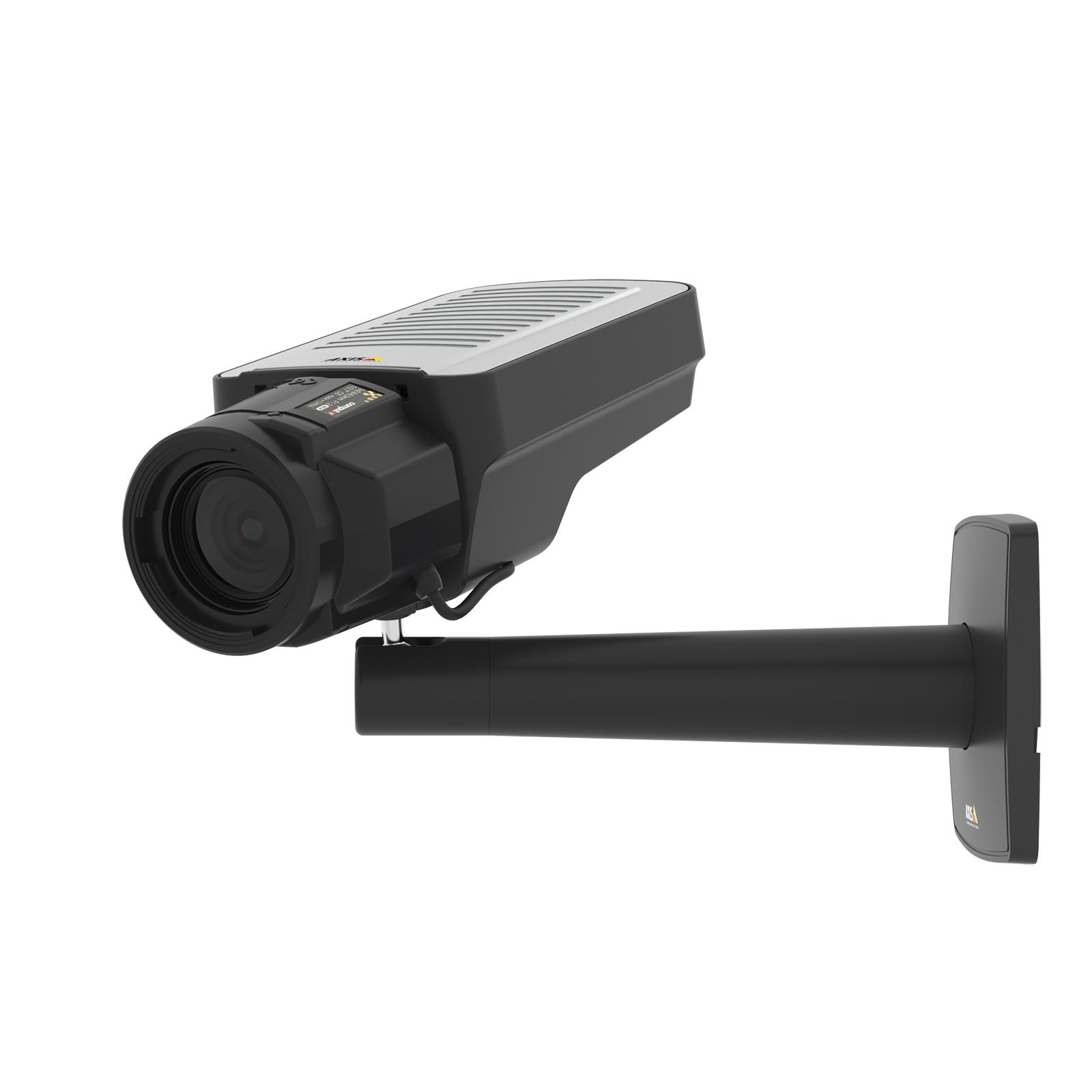
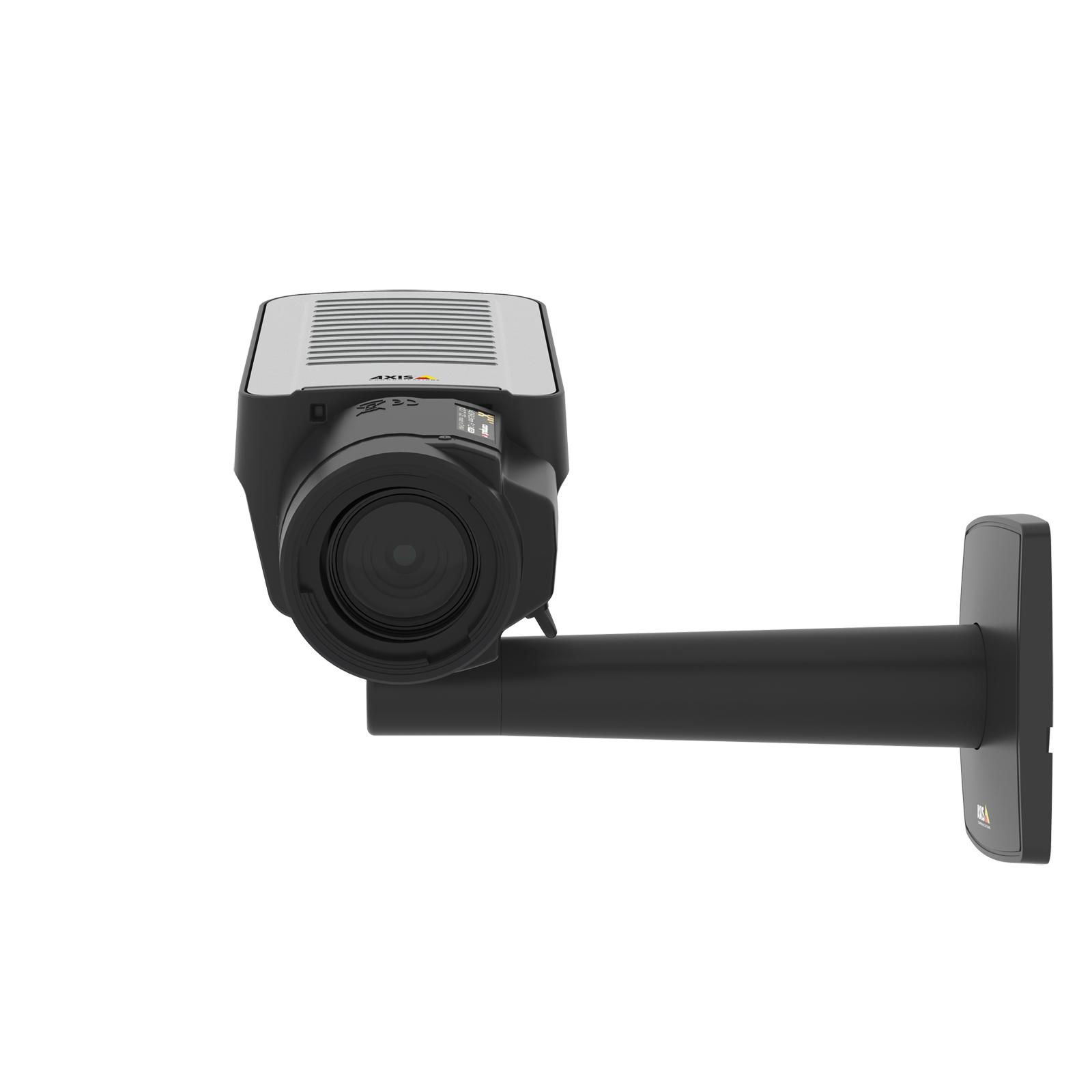
City surveillance corridors, busy transportation hubs, and industrial perimeter lines share one common demand: a camera that can separate meaningful events from background movement without burdening operators with false alerts. The AXIS Q1615 Mk III is a fixed bullet-style network camera built specifically for these high-demand environments. Featuring an embedded deep learning processing unit (DLPU) and a dual chipset architecture, it runs AXIS Object Analytics natively, enabling granular classification of vehicles including bikes, cars, buses, and trucks directly on the device. Equipped with a varifocal 2.8-8.5mm F1.2 lens, Lightfinder 2.0 for low-light imaging, and Forensic WDR, it maintains detailed footage across scenes with extreme contrast. It also holds FIPS 140-2 level 2 certification through its onboard TPM, making it suitable for deployments where cybersecurity compliance is a formal requirement. Axis Zipstream in both H.264 and H.265 keeps bandwidth and storage costs manageable without compromising recorded detail.
Key Capabilities
Embedded Deep Learning Processing Unit
The onboard DLPU and dual chipset run AI-based analytics directly on the camera without relying on server-side processing. This reduces latency, lowers infrastructure cost, and allows AXIS Object Analytics to deliver reliable vehicle and object classification at the edge.
AXIS Object Analytics – Vehicle Classification
Preinstalled on the camera, AXIS Object Analytics can distinguish bikes, cars, buses, and trucks individually. Operators can configure alerts for specific vehicle types only, reducing unnecessary notifications and allowing security personnel to focus on genuinely relevant events.
Lightfinder 2.0
The 1/2.8″ progressive scan RGB CMOS sensor combined with Lightfinder 2.0 technology maintains usable colour detail in dimly lit outdoor environments such as loading docks, industrial yards, and poorly lit transit areas where standard sensors lose colour accuracy.
Forensic WDR
Forensic WDR handles scenes where bright and dark areas exist simultaneously, such as tunnel entrances, gated driveways, and covered industrial bays. It preserves detail in both highlights and shadows within the same frame, which is critical for evidential footage review.
FIPS 140-2 Level 2 Certified TPM
The built-in Trusted Platform Module holds FIPS 140-2 level 2 certification, supporting secure key storage and device authentication. This is a formal requirement in many government, critical infrastructure, and enterprise deployments where cybersecurity compliance standards apply.
Best For
- City Surveillance and Public Infrastructure: The DLPU and AXIS Object Analytics enable vehicle-type differentiation at the edge, making this camera appropriate for traffic monitoring, public space management, and operator-alerting systems at scale.
- Transportation Hubs: Forensic WDR and Lightfinder 2.0 handle the challenging contrast conditions found at bus terminals, rail platforms, and logistics facilities where lighting shifts frequently throughout the day.
- Industrial Perimeter and Yards: The varifocal 2.8-8.5mm lens with a horizontal field of view from 116 to 40 degrees gives installers the flexibility to frame narrow approach lanes or wider yard overviews from a fixed mount position.
- Compliance-Driven Deployments: Facilities requiring FIPS 140-2 certified hardware for cybersecurity compliance will benefit from the onboard TPM, which supports secure device identity and encrypted key management without additional hardware.
Why Choose the AXIS Q1615 Mk III
What separates the AXIS Q1615 Mk III from standard 1080p bullet cameras is the combination of a dedicated deep learning processing unit and a dual chipset, neither of which is standard at this camera class. That architecture allows AXIS Object Analytics to run vehicle classification tasks natively on the device, rather than offloading to a server. For site operators managing multiple feeds, this means alerts can be filtered by vehicle type before they ever reach the control room, reducing the workload on monitoring staff. Add Forensic WDR, Lightfinder 2.0, Zipstream in both H.264 and H.265, and a varifocal F1.2 lens, and the Q1615 Mk III is a technically dense platform designed for environments where both image quality and on-camera intelligence matter. It is available through Security Wholesalers as part of the AXIS Communications camera range.
Buyer Decision Tips
Varifocal Lens Framing: The 2.8-8.5mm varifocal lens covers a horizontal field of view from 116 degrees at the wide end to 40 degrees at the telephoto end. Before mounting, confirm your required coverage angle and working distance so you can set the lens correctly during installation. For very long-range approaches beyond this lens range, a camera with a longer focal length or optical zoom may better suit the site.
On-Camera Analytics vs. Third-Party Applications: AXIS Object Analytics comes preinstalled and covers vehicle and object classification. The camera also supports third-party deep learning applications through its DLPU, so if your deployment requires specialised analytics beyond the default AXIS platform, confirm application compatibility with your software vendor before specifying this model.
Key Features & Technical Specifications
| Image Sensor |
1/2.8″ progressive scan RGB CMOS |
| Resolution |
HDTV 1080p (1920 x 1080) |
| Frame Rate |
25/30 fps at 1080p; up to 120 fps |
| Lens Type |
Varifocal, 2.8-8.5mm, F1.2 |
| Horizontal Field of View |
116 – 40 degrees |
| Vertical Field of View |
61 – 22 degrees |
| Low-Light Technology |
Lightfinder 2.0 |
| Wide Dynamic Range |
Forensic WDR |
| Video Compression |
H.264 and H.265 with Axis Zipstream |
| Processing |
Embedded deep learning processing unit (DLPU), dual chipset |
| Analytics |
AXIS Object Analytics preinstalled; supports third-party deep learning applications |
| Object Classification |
Bikes, cars, buses, trucks and other vehicle types |
| Security Certification |
TPM, FIPS 140-2 level 2 certified |
| Power |
PoE IEEE 802.3af/802.3at, 12.95W maximum |
| RAM / Flash |
2048MB RAM, 1024MB flash |
Ideal Use Cases
Traffic and Vehicle Monitoring
AXIS Object Analytics on the DLPU classifies bikes, cars, buses, and trucks individually, enabling selective alerts for specific vehicle categories. This makes the Q1615 Mk III well suited to intersections, bus lanes, and controlled entry points where vehicle-type discrimination matters.
Industrial Yards and Loading Docks
Lightfinder 2.0 and the F1.2 varifocal lens maintain useful colour detail in low-ambient lighting typical of industrial yards and covered loading areas. The varifocal range lets installers optimise coverage from a single fixed mounting point.
Transit Hubs and Rail Infrastructure
Forensic WDR manages the extreme contrast shifts at station entrances, platform shelters, and covered walkways. Combined with HDTV 1080p resolution at 25/30 fps, the camera delivers clear footage across daylight and transitional lighting conditions.
Government and Critical Infrastructure
The onboard TPM with FIPS 140-2 level 2 certification supports deployments where cybersecurity compliance is a contractual or regulatory requirement. Government facilities, utility sites, and data centre perimeters benefit from hardware-backed secure identity management.
Large Commercial Perimeters
Zipstream in both H.264 and H.265 reduces bandwidth and storage demands across multi-camera deployments without sacrificing recorded detail. This is particularly useful for large perimeter installations where network and storage infrastructure costs are a project consideration.
Choosing the Right Model
- Choose this model if: Your deployment requires on-camera deep learning analytics with vehicle classification, a FIPS 140-2 certified TPM for cybersecurity compliance, and Lightfinder 2.0 combined with Forensic WDR for challenging lighting conditions in city, transport, or industrial environments.
- Choose a different model if: Your site requires long-range infrared illumination, as this camera does not include built-in IR. A bullet camera with integrated IR would better serve applications where the scene relies on camera-mounted illumination after dark. If you require optical zoom with pan and tilt for wide-area tracking, a PTZ camera would be more appropriate for that application.
FAQs
- Does the AXIS Q1615 Mk III have built-in infrared illumination?
No. The Q1615 Mk III does not include built-in IR LEDs. It relies on Lightfinder 2.0 to extract maximum detail from available ambient light in low-light conditions. For sites where the scene is completely dark and no external illumination is present, a separate IR illuminator or a camera model with integrated IR would be required.
- What does the embedded DLPU actually do on this camera?
The deep learning processing unit executes AI-based analytics directly on the camera rather than sending data to an external server for processing. On the Q1615 Mk III, this powers AXIS Object Analytics for vehicle and object classification. It also allows compatible third-party deep learning applications to be deployed on the device, extending the camera’s analytical capabilities beyond the default AXIS platform.
- Which vehicle types can AXIS Object Analytics classify on this camera?
AXIS Object Analytics on the Q1615 Mk III is confirmed to distinguish between bikes, cars, buses, and trucks. Operators can configure individual detection rules for each vehicle type and set which categories trigger alerts, which helps reduce unnecessary notifications when only specific vehicle movements are operationally significant.
- What does FIPS 140-2 level 2 certification mean for this deployment?
The camera includes a Trusted Platform Module certified to FIPS 140-2 level 2, a US federal standard for cryptographic hardware security. In practical terms, it provides hardware-backed secure key storage and device authentication. Many government, defence, critical infrastructure, and enterprise environments mandate FIPS 140-2 compliance for networked security devices, and the Q1615 Mk III satisfies that requirement without external hardware additions.
- How does the varifocal lens affect installation planning?
The 2.8-8.5mm F1.2 varifocal lens gives a horizontal field of view from 116 degrees at the wide end down to 40 degrees at the telephoto end. This means installers can adjust framing during setup to suit the specific approach width or coverage depth required at the mounting location, without needing to reposition the camera bracket. The F1.2 aperture also supports Lightfinder 2.0 performance in low-ambient environments.
- Does this camera support third-party analytics applications?
Yes. The DLPU on the Q1615 Mk III is designed to support third-party deep learning applications beyond the preinstalled AXIS Object Analytics. However, compatibility depends on the specific application and its development requirements. Confirm that your chosen analytics software is certified or validated for the AXIS Q1615 Mk III platform before specifying the camera for that purpose.
- Where can I obtain the Q1615 Mk III and is technical support available?
The AXIS Q1615 Mk III is part of the Security Wholesalers range. Technical documentation including the official datasheet is linked below. For project-specific enquiries or volume purchases, contact the Security Wholesalers team directly to confirm availability and compatibility with your existing AXIS infrastructure.
Additional Information
{
“@context”: “https://schema.org”,
“@type”: “FAQPage”,
“mainEntity”: [
{
“@type”: “Question”,
“name”: “Does the AXIS Q1615 Mk III have built-in infrared illumination?”,
“acceptedAnswer”: {
“@type”: “Answer”,
“text”: “No. The Q1615 Mk III does not include built-in IR LEDs. It relies on Lightfinder 2.0 to extract maximum detail from available ambient light in low-light conditions. For sites where the scene is completely dark and no external illumination is present, a separate IR illuminator or a camera model with integrated IR would be required.”
}
},
{
“@type”: “Question”,
“name”: “What does the embedded DLPU actually do on this camera?”,
“acceptedAnswer”: {
“@type”: “Answer”,
“text”: “The deep learning processing unit executes AI-based analytics directly on the camera rather than sending data to an external server for processing. On the Q1615 Mk III, this powers AXIS Object Analytics for vehicle and object classification. It also allows compatible third-party deep learning applications to be deployed on the device, extending the camera’s analytical capabilities beyond the default AXIS platform.”
}
},
{
“@type”: “Question”,
“name”: “Which vehicle types can AXIS Object Analytics classify on this camera?”,
“acceptedAnswer”: {
“@type”: “Answer”,
“text”: “AXIS Object Analytics on the Q1615 Mk III is confirmed to distinguish between bikes, cars, buses, and trucks. Operators can configure individual detection rules for each vehicle type and set which categories trigger alerts, which helps reduce unnecessary notifications when only specific vehicle movements are operationally significant.”
}
},
{
“@type”: “Question”,
“name”: “What does FIPS 140-2 level 2 certification mean for this deployment?”,
“acceptedAnswer”: {
“@type”: “Answer”,
“text”: “The camera includes a Trusted Platform Module certified to FIPS 140-2 level 2, a US federal standard for cryptographic hardware security. In practical terms, it provides hardware-backed secure key storage and device authentication. Many government, defence, critical infrastructure, and enterprise environments mandate FIPS 140-2 compliance for networked security devices, and the Q1615 Mk III satisfies that requirement without external hardware additions.”
}
},
{
“@type”: “Question”,
“name”: “How does the varifocal lens affect installation planning?”,
“acceptedAnswer”: {
“@type”: “Answer”,
“text”: “The 2.8-8.5mm F1.2 varifocal lens gives a horizontal field of view from 116 degrees at the wide end down to 40 degrees at the telephoto end. This means installers can adjust framing during setup to suit the specific approach width or coverage depth required at the mounting location, without needing to reposition the camera bracket. The F1.2 aperture also supports Lightfinder 2.0 performance in low-ambient environments.”
}
},
{
“@type”: “Question”,
“name”: “Does this camera support third-party analytics applications?”,
“acceptedAnswer”: {
“@type”: “Answer”,
“text”: “Yes. The DLPU on the Q1615 Mk III is designed to support third-party deep learning applications beyond the preinstalled AXIS Object Analytics. However, compatibility depends on the specific application and its development requirements. Confirm that your chosen analytics software is certified or validated for the AXIS Q1615 Mk III platform before specifying the camera for that purpose.”
}
},
{
“@type”: “Question”,
“name”: “Where can I obtain the Q1615 Mk III and is technical support available?”,
“acceptedAnswer”: {
“@type”: “Answer”,
“text”: “The AXIS Q1615 Mk III is part of the Security Wholesalers range. Technical documentation including the official datasheet is linked below. For project-specific enquiries or volume purchases, contact the Security Wholesalers team directly to confirm availability and compatibility with your existing AXIS infrastructure.”
}
}
]
}
© Security Wholesalers Australia. All rights reserved. https://www.securitywholesalers.com.au/product/axis-q1615-mk-iii-bullet-camera-1080p-h-264-wdr-poe-2-8-8-5mm-vf-lens/