Dahua Specialist Category

Dahua Solar Cameras

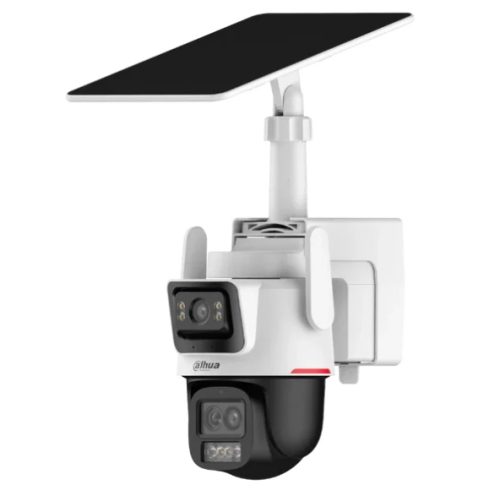
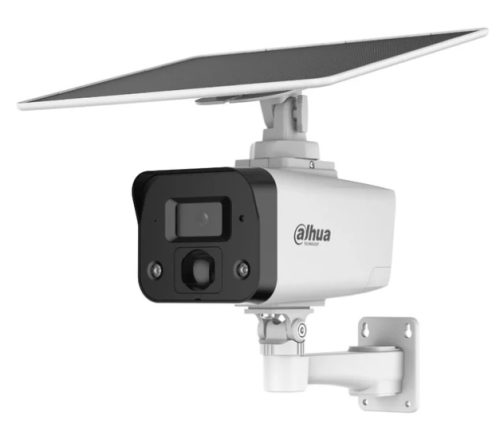
Dahua solar cameras are designed for remote and off-grid locations where running a conventional PoE cable is difficult or impractical. They can suit gates, paddocks, farms, temporary sites, yards and other locations that still require video surveillance without fixed mains or network infrastructure nearby. Depending on the model, power, battery capacity, solar-panel configuration and connectivity options vary, along with night-imaging and audio features. When choosing a system, consider the available sunlight, camera location, required network connection and how footage needs to be viewed or recorded. Use the shortcuts below to compare available resolution, colour night-imaging and built-in microphone options.

Popular Ways To Shop

Showing all 2 results

About Dahua Solar Cameras

Dahua solar cameras are designed for surveillance locations where a conventional PoE cable run or permanent power supply is difficult to provide. By combining camera equipment with solar charging and battery power, these systems can extend CCTV coverage to gates, paddocks, farms, remote yards, temporary sites and other areas away from existing buildings or network infrastructure. They can be particularly useful where installing trenching, electrical cabling or a new network connection would otherwise make surveillance difficult or expensive.

Choosing a solar camera involves more than comparing image resolution. The amount of available sunlight, solar-panel position, battery capacity and the camera's power requirements all influence how reliably the system can operate throughout changing weather and seasons. Connectivity is equally important. Depending on the model, remote communication may use 4G, Wi-Fi or another network method, affecting how live video, notifications and recordings are accessed.

Dahua solar solutions also vary in night-imaging, audio and recording options. Selected models provide colour night surveillance or built-in microphones, while recorder integration and storage arrangements depend on the individual system. For sites where reliable cabling is readily available, a conventional PoE camera and Dahua NVR can still provide the simpler permanent solution. Solar surveillance is most valuable where extending wired infrastructure to the camera location is genuinely impractical.

Why Choose a Dahua Solar Camera?

  • Remote-Site Surveillance: Extend camera coverage to gates, paddocks, yards and other locations where a conventional cable run is difficult.
  • Solar & Battery Power: Supported systems use solar charging and battery storage to operate away from a permanent mains supply.
  • Flexible Connectivity: Depending on the model, remote communication may use 4G, Wi-Fi or another supported network connection.
  • Night Surveillance: Selected cameras provide enhanced low-light or colour night-imaging options for monitoring after dark.
  • Audio Options: Selected models include built-in microphones or additional audio capability where hearing activity is useful.

Plan the Right Solar Camera Installation

  • Available Sunlight: Position the solar panel where it can receive useful exposure throughout the year, including shorter winter days.
  • Battery Capacity: Consider how the camera will continue operating through overnight periods and stretches of reduced solar charging.
  • Connectivity: Choose a model with a network path that suits the site and provides the remote viewing or monitoring functions required.
  • Mounting Position: Install the camera and solar equipment securely, with consideration for weather exposure, accessibility and physical security.
  • Recording: Decide how footage needs to be stored and reviewed, as recording options and Dahua NVR integration can vary between systems.

Choosing the Right Dahua Solar Camera

Start with the location and determine whether a conventional PoE connection can reasonably be installed. If the site is genuinely remote, consider how much sunlight the solar panel can receive throughout the year and whether the battery system provides sufficient reserve for overnight operation and periods of poor weather. Next, determine how the camera will connect for live viewing, notifications and recording, particularly where 4G or another wireless connection is required. Night conditions should also be considered because colour illumination and other camera functions can affect power consumption. Finally, decide whether footage will be stored locally, accessed through a supported remote platform or integrated with other Dahua equipment.

Sun & Battery

Plan for year-round conditions rather than peak summer sunlight. Panel position and battery reserve are important for reliable operation during shorter or overcast days.

Connectivity

Compare the available network options according to the site, including whether remote locations require 4G or another supported wireless connection.

Night & Audio

Selected models provide colour night imaging or built-in audio. Consider these features alongside their practical value and power requirements at the site.

Recording

Consider how footage needs to be stored and retrieved, as local recording, remote access and NVR integration can differ between solar camera systems.

Frequently Asked Questions

What is a Dahua solar camera?

A Dahua solar camera is designed for surveillance locations where providing conventional mains power or a PoE cable is difficult. Supported systems combine a security camera with solar charging and battery storage, allowing CCTV coverage to be extended to remote gates, paddocks, yards and temporary sites. Connectivity and recording methods vary between models, so the complete system should be selected around the location as well as the camera itself.

Will a Dahua solar camera work through winter and cloudy weather?

Reliable operation depends on the amount of solar energy available, panel positioning, battery capacity and how much power the camera consumes. Shorter winter days and extended periods of cloud provide less charging time, so the installation should be planned around year-round conditions rather than ideal summer weather. Keeping the panel clear of shade, dirt and debris also helps maintain effective charging.

Do Dahua solar cameras use 4G?

Selected solar camera systems can use 4G for remote connectivity, while other models may use Wi-Fi or another network arrangement. The right connection depends on what infrastructure is available at the installation site. For a 4G system, mobile coverage and any associated data requirements should also be considered alongside the camera and solar power arrangement.

Can Dahua solar cameras record to a Dahua NVR?

Recording arrangements vary between solar camera systems. Some models may support integration with compatible Dahua equipment, while others are designed around local storage or a more independent remote-monitoring arrangement. If the camera needs to become part of an existing Dahua CCTV system, consider recorder compatibility, network connectivity and the required recording workflow when choosing the model.

Do Dahua solar cameras provide colour night vision?

Selected Dahua solar cameras provide colour night-imaging capability, while other models may use conventional infrared or another night-surveillance method. The best option depends on the available ambient light and whether retaining colour information after dark is important. Visible illumination can also increase power consumption, making battery and solar charging capacity especially relevant on an off-grid installation.

Do Dahua solar cameras have built-in microphones?

Selected models include a built-in microphone or additional audio functionality. Audio can provide useful context when reviewing activity at a remote site, but capability varies between cameras. If recorded sound or communication is important, compare the audio functions alongside connectivity, storage, night performance and the overall power requirements of the installation.

Should I choose a solar camera or a standard PoE CCTV camera?

A solar camera is most useful when getting power and network cabling to the surveillance location is difficult or impractical. If reliable Ethernet cabling can be installed easily, a conventional PoE camera connected to a Dahua NVR usually provides a straightforward permanent system with continuous power and centralised recording. Solar CCTV is particularly valuable for remote gates, paddocks, temporary sites and other locations where conventional infrastructure is unavailable.

We make product support and ordering easy! Reach out to our help team :)
Trade Customers: Log In or Register to Unlock Even Better Prices.

Save & Share Cart
Your Shopping Cart will be saved and you'll be given a link. You, or anyone with the link, can use it to retrieve your Cart at any time.
Back Save & Share Cart
Your Shopping Cart will be saved with Product pictures and information, and Cart Totals. Then send it to yourself, or a friend, with a link to retrieve it at any time.
Your cart email sent successfully :)