












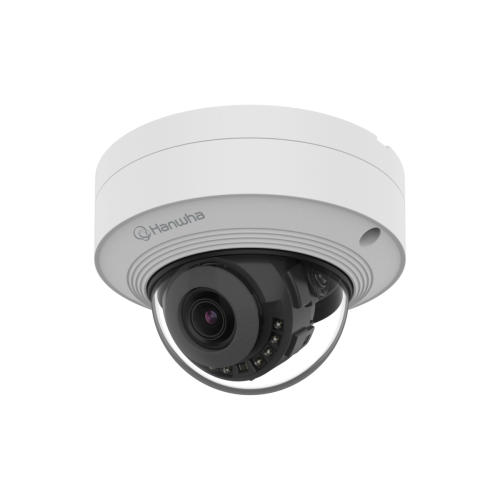
Hanwha for Premium Commercial CCTV
Premium Commercial
Quick answer
Hanwha makes the most sense on premium commercial jobs when the buyer values stronger AI, cleaner evidence quality, a disciplined series ladder, and better workflow over time. If the project is still fundamentally straightforward, Hanwha may still fit, but the premium story should only be used where the brief genuinely supports it.
Where Hanwha tends to fit best
Premium office and corporate fit-outs
Hanwha is strong where the site wants a more polished camera tier and a tidier long-term review workflow.
Private education and multi-building sites
Hanwha becomes more compelling once the project needs stronger user structure and a better architecture discussion.
Higher-value warehouse and logistics frontages
The step into X and P series can be easier to justify when the site really values stronger evidence and a cleaner premium design.
Premium mixed-use or campus-style jobs
Hanwha is strongest when the project is not only buying cameras. It is buying a higher-quality surveillance platform.
What the premium Hanwha path usually includes
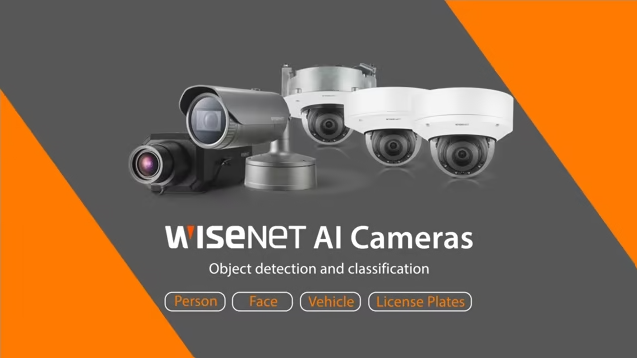
- X-series or P-series cameras on the views that genuinely need stronger AI, better imaging, or more premium evidence quality.
- Q-series where the scene is still important but does not need the top tier everywhere.
- PTZ and sometimes multi-sensor coverage where the site is too large or too complex for fixed cameras alone.
- A stronger recorder or WAVE path so the footage is not awkward to review later.
Recommended premium-commercial paths
| Project style | What usually works | Why |
|---|---|---|
| Higher-end office or corporate fit-out | X series on key entries and shared areas, Q where the views are more ordinary | The site wants a premium feel, but not every corridor scene needs the highest branch. |
| Premium retail or showroom | Stronger fixed cameras on entries, counters, and display-risk zones, with selective PTZ only where staff will use it | The review burden sits on high-value interaction points, not on broad dramatic overview alone. |
| Multi-building or multi-user site | Hanwha with a stronger WAVE or platform-led path | The real premium requirement is often operator workflow and system usability over time. |
| Premium warehouse or industrial frontage | X or P where the environment and evidence expectations justify it | The site is buying stronger imaging and review confidence, not just another commercial camera. |
How to use the Hanwha series ladder intelligently
Premium commercial does not mean P series everywhere. Many strong Hanwha systems mix Q, X, and P intelligently by zone. That is usually a better result than forcing the entire site into the top branch just because the budget is healthy.
Premium office tower lobby and basement
The project mixes stronger cameras at the main lobby, lift lobby, and basement vehicle entry with more ordinary fixed coverage on secondary paths. That is where Hanwha makes sense: the brief wants a more premium surveillance result, but it still rewards disciplined zone-by-zone budgeting rather than premium everywhere.
Independent school with several user groups
A school with administration, facilities staff, and leadership all needing different access patterns becomes a stronger WAVE conversation than a simple recorder conversation. That is a good example of where Hanwha's premium-commercial value appears in the workflow as much as in the cameras.
Where premium-commercial talk is overstated
A neat suburban office with eight cameras may still be a good commercial job, but it is not automatically a premium Hanwha conversation. If the site is fundamentally straightforward, the premium story should only be used where the real operating brief supports it.
Installation insight
Premium commercial Hanwha systems deserve cleaner design. That means better cabinet layout, more honest UPS planning, proper switch budgeting, surge protection where appropriate, and enough storage headroom that the operator is not fighting the system six months later.
On these jobs, the install standard often becomes part of the brand value. A premium camera is not enough if the recorder, VMS, and network path are not built to the same level.
Common premium-commercial mistakes
- Calling the project premium without planning the recorder, storage, and review layer to the same standard.
- Using premium PTZ or top-tier cameras where the site still has basic coverage gaps.
- Confusing a tidy commercial install with a genuinely premium operational brief.
- Buying the highest branch everywhere instead of using Hanwha's ladder intelligently by zone.
Related Hanwha guides
Hanwha A vs Q vs X vs P Series
Use Hanwha's series ladder properly before comparing individual cameras.
Hanwha WAVE vs Standard NVR Path
Understand when WAVE adds real value and when a standard recorder path is still enough.
When Hanwha Makes Sense Over Hikvision or Dahua
Use this next when the buyer is still deciding whether Hanwha is the right premium branch at all.
Hanwha PTZ Buying Guide
Use this next if the premium-commercial shortlist is drifting into live overview territory.
Frequently Asked Questions
- What does Hanwha add on a premium commercial CCTV project?
Usually stronger AI, better imaging, a cleaner premium camera ladder, stronger PTZ options, and a more deliberate recorder or WAVE workflow.
- Does premium commercial always mean P series everywhere?
No. Many strong premium commercial systems still mix X, P, and sometimes Q series depending on the zone and the operational requirement.
- When does WAVE become more important on premium Hanwha jobs?
Usually when the project needs stronger operator workflow, multi-user access, bigger system architecture, or a more flexible VMS layer than a standard recorder offers.
- Should premium commercial PTZ replace fixed cameras?
No. Premium PTZ should still support fixed evidence cameras rather than replacing them.
- Why can Hanwha be easier to justify on higher-value jobs than on basic installs?
Because the advantages of the stronger camera tiers and VMS path are easier to use and appreciate when the project genuinely needs them.