












Commercial
Use Deterrence and PTZ Where They Actually Improve Farm Security
Strategy
Where Deterrence Cameras Make Sense
Active deterrence is usually strongest where an intruder is likely to pause and interact with something valuable. That includes diesel tanks, tool sheds, workshop aprons, isolated gates, and compounds holding plant or chemicals. In those places, visible white light, warning audio, or two-way talk can interrupt the intruder's sense of privacy and create a strong moment of friction.
Where PTZ Makes Sense
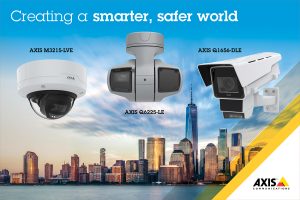
A PTZ is best treated as an overview tool. It is useful where one secure elevated point can look across a larger operational area such as a broad yard, a long internal access route, or a remote open zone where the owner wants to move the viewpoint during live review. It does not replace the fixed cameras that record the gate chain being cut, the roller door being opened, or the diesel bowser being used.
Best Pattern: Fixed Evidence Plus Flexible Overview
The strongest rural pattern is often a fixed or motorised evidence camera at the key point, plus either a deterrence camera or a PTZ where the site needs more active response capability. That way the system still captures stable footage even if the PTZ is looking elsewhere or the deterrence function is not triggered.
When alarm is the better next step
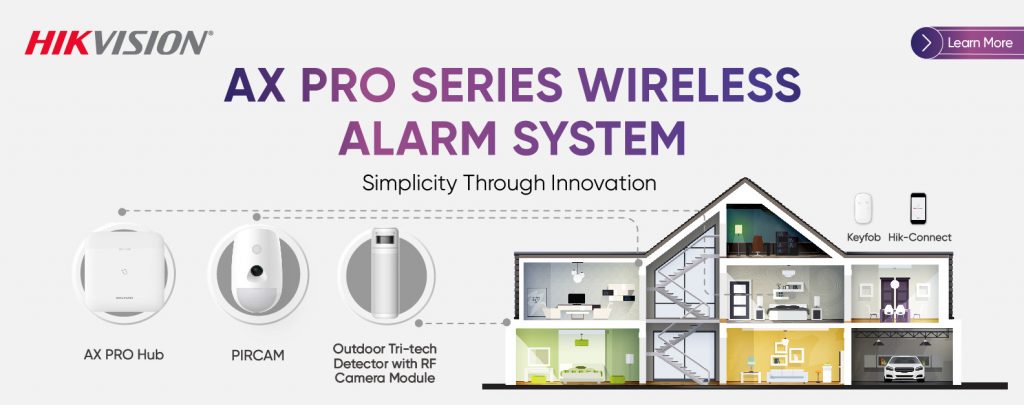
Some farm after-hours problems are not really PTZ problems. They are disturbance problems. If the owner wants to know that the workshop door, fuel cage, machinery shed side gate or enclosed yard gate was actually touched after hours, a wireless alarm layer can add more value than another broad camera. That is where Farm Alarms, AX Pro, and External Detection fits into the design.
Large-animal warning
External motion detectors should not be treated like a paddock-wide security answer. Cattle, horses, sheep, kangaroos and repeated wildlife movement can trigger nuisance alarms if the detector is pointed into open stock areas, raceways, feed zones or trough approaches. Use them around controlled approaches and real opening points instead.
Natural Product Areas to Review
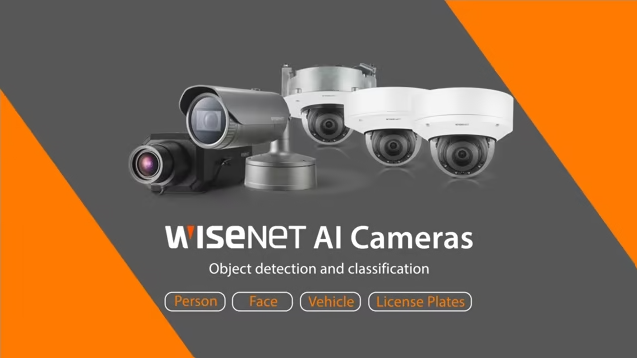
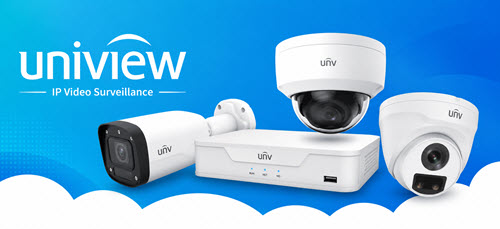
For deterrence-led rural zones, it makes sense to review stronger low-light and warning-capable options within Smart Hybrid ColorVu, selected ColorVu, and suitable Dahua ranges. For broader remote oversight, selected PTZ cameras can be a sensible part of the design.
Frequently Asked Questions
-
When should a farm use a deterrence camera?
A deterrence camera is most useful where someone is likely to approach, stop, cut a lock, open a gate, or handle a valuable asset. That includes remote sheds, diesel tanks, compounds, and known trespass points.
-
Can a PTZ replace fixed cameras on a farm?
Usually no. A PTZ provides flexible overview, but fixed cameras are still better for constant evidence footage at gates, doors, fuel points, and other stable risk locations.
-
Do farms benefit from two-way audio?
Yes, in some cases. Two-way talk can be useful at remote gates, compounds, and after-hours service areas where the owner or monitoring team may want to challenge a person on site.
-
Where should a farm PTZ normally be mounted?
A PTZ usually works best from a secure elevated point that overlooks a meaningful operational area such as a broad yard, internal roadway, or large approach corridor. It should be mounted where it adds value without creating a false sense that fixed evidence cameras are no longer needed.
-
Can one PTZ replace several fixed cameras?
Usually no. A PTZ can add flexible overview or live follow-up, but fixed cameras are still the backbone when the site needs stable recorded evidence on key zones all the time.
-
When is a motorised lens worth paying extra for?
It is usually worth it where the final framing is uncertain, the view is long and narrow, or the operator needs to tune the scene carefully during commissioning.