Product Overview
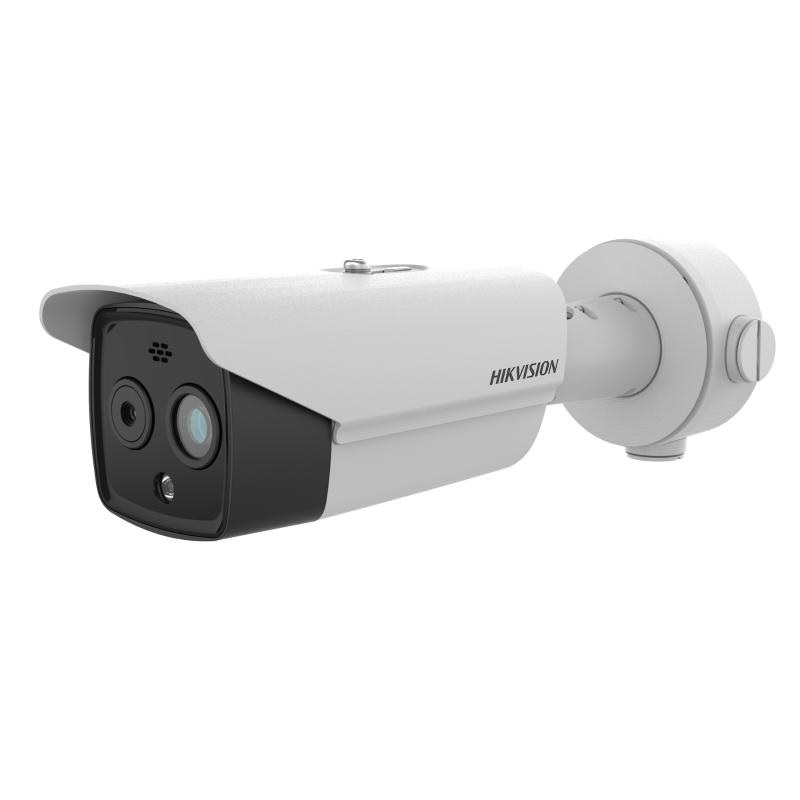
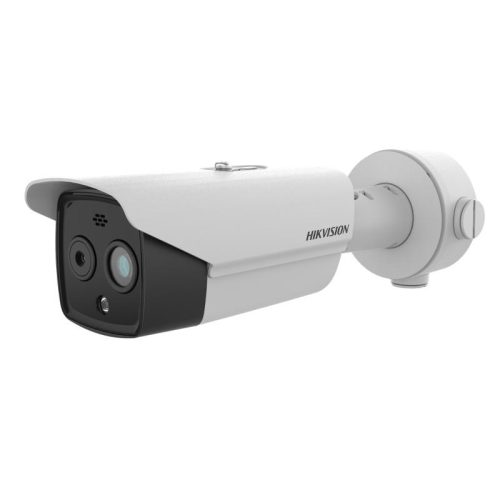
For sites where standard CCTV struggles after dark or in challenging outdoor conditions, the Hikvision DS-2TD2628-10/QA delivers bi-spectrum surveillance by combining a 256×192 thermal sensor with a 4MP optical camera in a single bullet housing. The 9.7mm thermal lens produces a narrow 18.0°x13.5° field of view suited to long, defined approaches such as fence lines, driveways, and perimeter corridors rather than wide-area coverage. With VCA rules covering line crossing, intrusion, region entrance, and region exiting, the thermal channel detects human and vehicle heat signatures at ranges up to 80m and 240m respectively, independent of visible light. Temperature exception alarms across -20°C to 150°C support early heat anomaly alerting in warehouses, waste areas, and battery charging zones. Built-in smoking detection, sun-reflection filtering, white light alarm, and configurable audio alerts add further operational flexibility. The housing is rated IP67 and IK10, with an operating temperature range of -40°C to 65°C.
Key Capabilities
Thermal Perimeter Detection
The 256×192 VOx uncooled focal plane array with NETD below 40mK detects human heat signatures at up to 80m and vehicles at up to 240m through darkness, shadows, and low-contrast conditions where optical cameras routinely miss moving subjects.
Narrow 9.7mm Thermal Lens
The 18.0°x13.5° thermal field of view concentrates detection along a tight corridor or fence line rather than spreading over a wide area. This makes the DS-2TD2628-10/QA particularly effective on long driveways, defined approach paths, and perimeter sections where coverage depth matters more than width.
Temperature Exception Alarms
Supports 21 configurable temperature measurement rules across 10 points, 10 areas, and 1 line. Monitoring range is -20°C to 150°C with accuracy of plus or minus 8°C, enabling early heat anomaly alerting over battery charging bays, electrical panels, machinery, and waste accumulation areas.
Smoking Detection and Sun-Reflection Filter
Onboard smoking detection algorithm supports early fire-risk alerting in fuel storage, charging rooms, and no-smoking zones. The sun-reflection filter reduces nuisance triggers from sun-heated metal surfaces, which is particularly relevant in outdoor industrial and waste management environments.
4MP Optical Channel with IR and White Light
The 1/2.7″ CMOS optical sensor delivers 2688×1520 resolution with 120dB WDR and an 8mm lens covering 39.4°x22.1°. IR illumination reaches 30m for standard night operation, while a white light alarm with adjustable flashing frequency adds visible deterrence when a VCA or temperature event triggers.
VCA with Human and Vehicle Classification
Up to 8 VCA rules can be configured across line crossing, intrusion, region entrance, and region exiting, with human and vehicle target classification reducing nuisance events compared to basic pixel-based motion detection. Alarm actions include relay output, SD recording, FTP upload, smart capture, and email linkage.
Best For
- Industrial Perimeter Fence Lines: The narrow thermal FOV and human/vehicle VCA rules are well matched to watching along defined perimeter sections at distances where standard IR cameras produce unreliable detections.
- Warehouse and Factory Heat Monitoring: Temperature measurement zones across machinery, charging bays, and electrical switchboards provide early heat anomaly alerts before visible flame or smoke is present.
- Construction Site After-Hours Protection: Thermal detection performs in conditions of dust, shadow, and poor lighting that commonly affect optical motion detection, supporting reliable perimeter alerts across tool storage and access zones.
- Waste and Recycling Facility Monitoring: Waste piles and skip bins can develop heat build-up before visible fire appears. Temperature exception alarms over defined areas provide earlier notification than standard visual detection.
- Remote Rural and Infrastructure Sites: IP67 weatherproofing, IK10 vandal resistance, and an operating range of -40°C to 65°C make this camera viable for farm gates, solar farms, pump stations, and substations in demanding outdoor conditions.
Why Choose the DS-2TD2628-10/QA
The DS-2TD2628-10/QA occupies a specific position among thermal cameras: the 9.7mm lens gives it the narrowest thermal field of view in the DS-2TD2628 series, which translates to longer-range detection along tight corridors and fence lines rather than general-purpose wide-area coverage. The combination of VCA human and vehicle classification, 21 configurable temperature measurement rules, smoking detection, and built-in white light plus audio alarm means this camera handles both intrusion alerting and early fire-risk monitoring from a single mounting point. A simpler optical bullet camera cannot provide thermal detection in zero-light or low-contrast conditions, and it cannot generate temperature exception alarms over monitored zones. The IK10 and IP67 ratings, -40°C to 65°C operating range, and PoE or 12VDC power flexibility suit permanent outdoor installations where reliability under weather and physical stress matters. Available through Security Wholesalers, this model is backed by the confirmed 10-year detector guarantee stated in the Hikvision specification.
Buyer Decision Tips
Thermal FOV vs. Coverage Width: The 10/QA designation refers to the 9.7mm thermal lens, which produces an 18.0°x13.5° field of view. This is the narrowest option in the DS-2TD2628 series, which makes it suited to long, directional monitoring zones such as fence runs, driveways, and defined approach corridors. If your site requires broader side-to-side thermal coverage across a wide yard or large open area, a shorter focal length variant will provide a wider thermal field. Plan your mounting position carefully before ordering: aim the camera down the longest dimension of the detection zone rather than across it.
Temperature Accuracy and Fire Detection Compliance: The stated temperature accuracy is plus or minus 8°C. This is appropriate for detecting abnormal heat trends or threshold breaches over time but is not suitable for precision industrial thermometry. This camera is not a replacement for a compliant fire detection system and should not be represented as one. It is best positioned as an early warning tool to flag heat anomalies before visible flame or smoke develops, supporting faster human or system response.
Key Features & Technical Specifications
| Thermal Sensor |
256×192 Vanadium Oxide Uncooled Focal Plane Array, 12 um pixel pitch, NETD less than 40mK at 25°C F1.0 |
| Thermal Lens / FOV |
9.7mm focal length, 18.0°x13.5° (H x V), F1.0, IFOV 1.24mrad, min. focusing distance 1.5m |
| Spectral Range |
8 um to 14 um |
| Optical Sensor |
1/2.7″ Progressive Scan CMOS, 2688×1520 resolution (4MP) |
| Optical Lens / FOV |
8.0mm fixed, 39.4°x22.1° (H x V), F1.6 |
| WDR |
120dB |
| IR Range / White Light Range |
IR up to 30m (auto-adjusted), White light alarm up to 30m with adjustable flash frequency |
| Temperature Measurement |
-20°C to 150°C, accuracy plus or minus 8°C, 21 rules (10 points, 10 areas, 1 line) |
| Smart Functions |
Fire detection, smoking detection, sun-reflection filter, human/vehicle VCA classification |
| VCA Rules |
Line crossing, intrusion, region entrance, region exiting – up to 8 rules total |
| VCA Detection Range |
Humans 80m, Vehicles 240m |
| Alarm Interfaces |
2 x alarm inputs (0-5VDC), 2 x configurable alarm outputs; actions include relay output, SD recording, FTP upload, smart capture, email linkage |
| Audio |
Audio alarm with 2 preset voice alerts and 6 importable user-defined voice alerts; audio input 3.5mm mic/line in; audio output linear level 600 ohm |
| Video Compression |
H.265/H.264 main stream; H.265/H.264/MJPEG sub-stream |
| Storage |
MicroSD/SDHC/SDXC up to 256GB, NAS (NFS, SMB/CIFS), ANR |
| Power Supply |
24VAC, 12VDC, or PoE 802.3af class 3, max 8.5W |
| Protection Rating |
IP67, IK10, TVS 6000V |
| Operating Temperature |
-40°C to 65°C (-40°F to 149°F), humidity 95% or less |
| Dimensions / Weight |
321.3 x 106.1 x 107.0mm, 1550g |
| Interface |
1 x RJ45 10/100M Ethernet, 1 x RS-485, 1 x analog BNC output, microSD slot |
Ideal Use Cases
Industrial Fence Line Monitoring
The narrow 18.0°x13.5° thermal FOV is well matched to watching along a fence line or perimeter run. Intrusion and line crossing VCA rules alert on human or vehicle heat signatures at up to 80m and 240m respectively, operating independently of ambient lighting.
Battery and Electrical Equipment Monitoring
Temperature measurement zones can be positioned over forklift charging bays, electrical switchboards, and battery banks. Configurable threshold alarms trigger notification when heat levels exceed set values, providing earlier warning than waiting for visible smoke.
Waste and Recycling Sites
Skip bins, waste piles, and recycling areas can accumulate heat before visible flame develops. Area temperature rules over waste zones allow early heat anomaly alerts, and the sun-reflection filter helps reduce false triggers from sun-heated metal containers during the day.
Construction Site Perimeter
Thermal detection handles dust, shadow, and poor lighting that challenge standard motion detection. Up to 8 VCA rules can be mapped over site entrances, tool storage, fuel tanks, and equipment zones, with relay output and audio alarm for immediate deterrent response.
Remote Rural and Farm Gates
PoE or 12VDC power options, an operating range of -40°C to 65°C, and IP67 weatherproofing suit permanent outdoor installations at farm gates, machinery yards, fuel storage, and dam pump areas where no artificial lighting exists and conditions are extreme.
Solar Farms and Utility Infrastructure
Defined access roads and fence perimeters at solar farms, substations, and water treatment plants align well with the directional thermal FOV. Relay output integration supports connection to external sirens and alarm panels, and the RS-485 interface provides additional integration options.
Choosing the Right Model
- Choose this model if: Your site has long, defined approach corridors, fence lines, or driveways where you need thermal detection at range, combined with early heat anomaly alerting over machinery or waste zones, and the narrow 18.0°x13.5° thermal FOV matches your target area geometry.
- Choose a different model if: You need wide-area thermal coverage across a broad yard or large open space – a shorter focal length thermal camera will produce a wider FOV suited to those scenarios.
- Choose a different model if: Your primary requirement is licence plate capture, facial identification, or detailed colour video at close range – standard optical cameras are purpose-built for those tasks and will outperform a thermal bi-spectrum camera in those applications.
- Choose a different model if: You need certified life-safety fire detection for a compliant system – this camera provides early heat anomaly alerting only and is not a substitute for a compliant fire detection installation.
FAQs
- What does the “10/QA” suffix mean for this camera?
The 10 refers to the 9.7mm thermal lens focal length. This gives the DS-2TD2628-10/QA the narrowest thermal field of view in the DS-2TD2628 series at 18.0°x13.5° horizontal by vertical. It is optimised for longer-range detection down tight corridors, driveways, and fence lines rather than wide-area coverage. The QA designates the specific product variant with the feature set described in the datasheet.
- How far can this camera detect a person using the thermal channel?
The confirmed VCA detection range for humans is 80m and for vehicles is 240m. The datasheet also lists DRI reference figures of 404m detection, 101m recognition, and 50m identification for humans, based on Johnson’s Criteria assumptions. Real-world results will vary depending on mounting height, target orientation, background temperature contrast, weather, and scene conditions. Plan VCA rules around the confirmed 80m human VCA range as a practical working figure.
- Can this camera replace a fire alarm system in a warehouse?
No. The DS-2TD2628-10/QA supports temperature exception alarms and fire detection as early warning tools. The stated temperature accuracy is plus or minus 8°C, which is appropriate for detecting heat anomalies and threshold breaches over time but is not precision thermometry. This camera must not be used as a substitute for a compliant fire detection system. It is best used alongside existing safety measures to provide earlier notification of developing heat issues.
- How does the smoking detection feature work and how reliable is it?
The smoking detection algorithm analyses the thermal and optical channels for signatures associated with smoke behaviour. Performance depends on scene conditions, camera placement, distance, contrast between smoke and background, and configuration. It is better positioned as a risk-reduction tool in no-smoking zones, fuel storage areas, and charging rooms rather than a guaranteed detection system in every scene and condition.
- What power options are available and does it support PoE?
The DS-2TD2628-10/QA supports 24VAC, 12VDC, and PoE via IEEE 802.3af class 3. Maximum power consumption is 8.5W across all supply methods. For cable runs exceeding 100m, a long-range PoE switch, PoE extender, or fibre/wireless bridge should be planned rather than relying on a standard PoE run, as standard PoE is rated to 100m cable length.
- Can I configure temperature measurement zones, and how many are supported?
Yes. The camera supports 21 configurable temperature measurement rules in 3 types: 10 point measurements, 10 area measurements, and 1 line measurement. Zones can be positioned over specific risk areas such as a battery charging bench, switchboard, compressor, or waste bin. Thresholds are set based on the normal operating temperature of the monitored object plus an appropriate safety margin.
- Is this camera suitable for mounting on a wall or pole in an outdoor industrial environment?
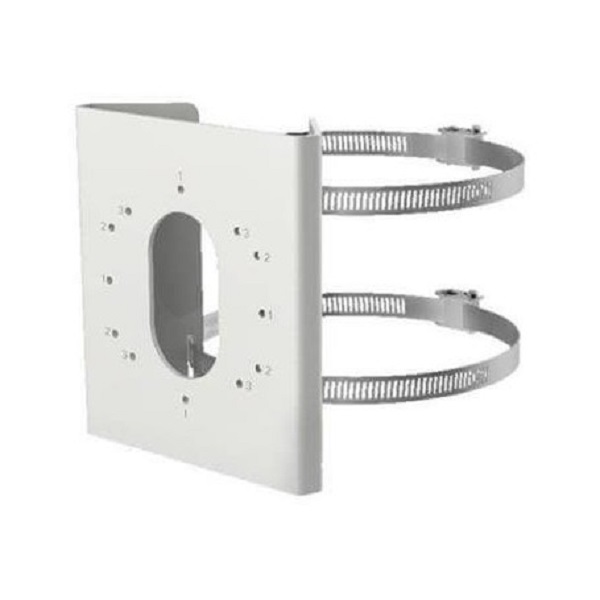
Yes. The IP67 rating confirms protection against water ingress, IK10 confirms resistance to impact, and TVS 6000V surge protection is built in. The operating temperature range of -40°C to 65°C covers most Australian industrial and rural environments. For pole mounting, the Hikvision DS-1275ZJ-S-SUS vertical pole mount bracket is listed as a compatible accessory available through Security Wholesalers.
- What local storage and network recording options does this camera support?
The camera accepts a microSD/SDHC/SDXC card up to 256GB for onboard recording. It also supports NAS recording via NFS or SMB/CIFS protocols, and ANR (Automatic Network Replenishment) to recover footage to the NVR if network connectivity is interrupted. Up to 20 simultaneous live view channels are supported, and the camera is compatible with iVMS-4200, Hik-Connect, and third-party platforms via ONVIF Profile S and G, ISAPI, and HIKVISION SDK.
Additional Information
| Image | Name | Price | Buy | hf:att:pa_ai-technology | hf:att:pa_audio-features | hf:att:pa_camera-count | hf:att:pa_camera-style | hf:att:pa_detection-features | hf:att:pa_deterrence-features | hf:att:pa_environmental-features | hf:att:pa_focal-length | hf:att:pa_hdd-bays | hf:att:pa_hdd-included | hf:att:pa_ik-rating | hf:att:pa_included-storage | hf:att:pa_installation-level | hf:att:pa_ip-rating | hf:att:pa_kit-camera-style | hf:att:pa_lens-type | hf:att:pa_low-light-technology | hf:att:pa_max-recording-resolution | hf:att:pa_mounting-position | hf:att:pa_night-vision-range | hf:att:pa_night-vision-type | hf:att:pa_optical-zoom | hf:att:pa_poe-ports | hf:att:pa_power-connectivity | hf:att:pa_protocol-compatibility | hf:att:pa_recorder-channels | hf:att:pa_remote-viewing | hf:att:pa_resolution | hf:att:pa_specialist-features | hf:att:pa_system-format | hf:att:pa_white-light-range | hf:att:pa_zoom-type |
|---|
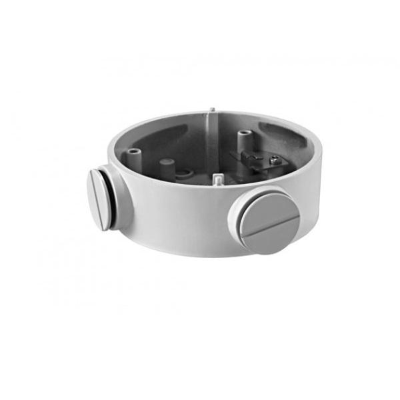
| Hikvision DS-1260ZJ Junction Box White or Black | $17.16 inc GST +3 Year Warranty & Support |
| | | | | | | | | | | | | | | | | | | | | | | | | | | | | | | | |
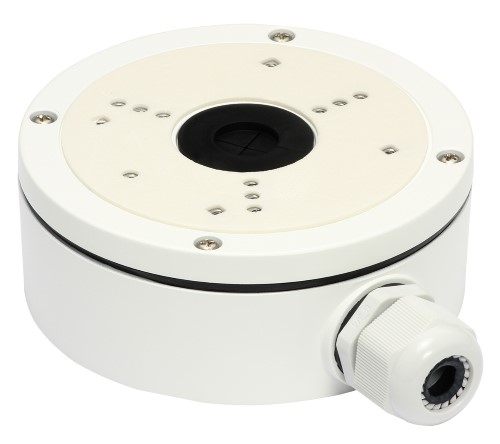
| Hikvision DS-1280ZJ-S Junction Box with Gland, suits HIK-2CD26, 2CD2T, 2CD4A, 2CD22, 2CD42, E16D5 | $26.40 $35.00 inc GST +3 Year Warranty & Support |
| | | | | | | | | | | | | | | | | | | | | | | | | | | | | | | | |
| Hikvision DS-1275ZJ-S-SUS Vertical Pole Mount Bracket | $31.68 inc GST +3 Year Warranty & Support |
| | | | | | | | | | | | | | | | | | | | | | | | | | | | | | | | |
Hikvision Warranty
3-Year Manufacturer Warranty
All Hikvision IP cameras and recording devices (NVRs/DVRs) are covered by a
3-year back-to-base manufacturer warranty.
Note: Disk drives are limited to a 1-year warranty.
Our warranty is limited to the replacement of faulty items or parts
and does not include damage caused by incorrect fitting of parts or accessories.
(a) Australian Consumer Law (ACL)
Certain legislation, including the Australian Consumer Law (ACL) in the
Competition and Consumer Act 2010 (Cth), and similar consumer protection
laws and regulations may confer you with rights, warranties, guarantees, and remedies
relating to the provision of goods or services to you by us via the Site which cannot
be excluded, restricted, or modified. Our liability is governed solely by the ACL and
these Terms.
(b) Goods
If you are a consumer as defined in the ACL, the following notice applies to you:
“Our goods come with warranties and guarantees that cannot be excluded under the
Australian Consumer Law (Consumer Guarantees). You are entitled to a replacement or
a refund for a major failure and for compensation for any other reasonably foreseeable
loss or damage. You are also entitled to have the goods repaired or replaced if the
goods fail to be of acceptable quality and the failure does not amount to a major
failure.”
(c) Our Warranties
To the extent permitted by law, we exclude all express and implied warranties,
and all material and work is provided to you without warranties of any kind,
either express or implied. We expressly disclaim all warranties including but
not limited to implied warranties of merchantability and fitness for a particular
purpose.
(d) Manufacturer Warranties
Certain products, including particular models of IP security cameras and DVR/NVR
equipment, may come with a manufacturer’s warranty. The manufacturer’s warranty is
in addition to but may overlap with any rights and remedies you may have under
applicable law, including any Consumer Guarantees. If you are not considered a
“consumer” within the meaning of the ACL, the manufacturer’s warranty may be your
sole remedy. Many manufacturers’ warranties do not apply in a business or commercial
setting. Please contact the manufacturer if you would like to make a claim under
the manufacturer’s warranty.
(e) Repair, Replacement, or a Refund
If you wish to seek repair, replacement, or a refund for a product, please
contact us and we will explain the requirements to you. This may include you
providing evidence of the faulty product to us.
(f) Refund
You are not entitled to a refund for change of mind. If you are entitled to a
refund, we will only provide it once evidence of the faulty product is received
by us, or once we have received the product at our warehouse and inspected it
to assess whether it is eligible for a refund under these Terms. Any refund we
make will be by the same payment method used to purchase the product.
(g) Installed Products
Subject to this clause, we will not accept for return any product that has been
used, connected, installed, attempted to be connected or installed, or if your
product is custom-made or is a special buy product.
(h) Packaging
You must adequately package any product you are returning for our collection
to ensure that it is not damaged during return delivery to our warehouse. You
are also responsible for arranging the return delivery and the costs involved.
(i) Duty of Care
You have a duty of care for the product while it is in your possession. If
you damage products and then subsequently return them, you may be liable to pay
to repair the product to its original condition. In these circumstances, where
a repair is not economically viable, no refund will be made.
For more terms & conditions, please visit www.securitywholesalers.com.au/terms-and-conditions