












Commercial
Design the Dock for Both Context and Detail
Commercial
A strong dock design usually needs at least two ways of seeing the area. One view should explain the bigger movement of vehicles, pallets, and personnel. Another should give a cleaner fixed view of the dock threshold, roller door, or transfer face where the operator is most likely to need playback later.
Key Dock and Yard Zones
- Internal roller-door threshold
- Dock face or loading bay edge
- Truck apron and reversing or approach lane
- Dispatch staging zone immediately behind the dock
- Pedestrian routes crossing the dock area
- Yard gates or side approaches after hours
What the Operator Usually Needs to Review Later
Warehouse operators often need to reconstruct the sequence of a dock event. Which vehicle approached? Which roller door was active? Where did staff or forklifts move? Was a pallet staged before or after the truck arrived? That is why the dock should be designed for sequence review, not just for a single broad scene.
| Dock Area | Main Review Goal | Coverage Logic |
|---|---|---|
| Internal roller-door line | Threshold activity | Use a stable fixed view that always shows the doorway and immediate handling zone. |
| Truck apron | Vehicle movement context | Cover approach, position, and wider activity outside the dock. |
| Dispatch staging area | Goods movement review | Show how pallets or goods moved to and from the dock. |
| Yard entry or gate | After-hours control | Prioritise reliable low-light visibility and approach routes. |
Commercial Product Direction
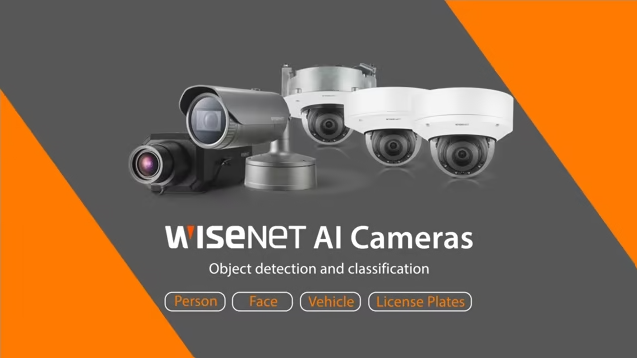
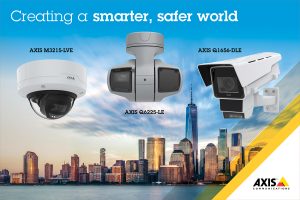
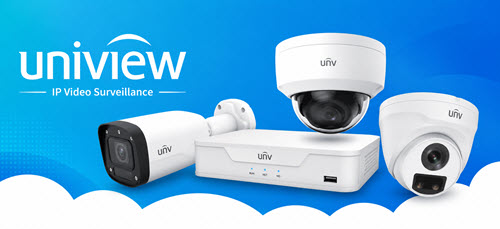
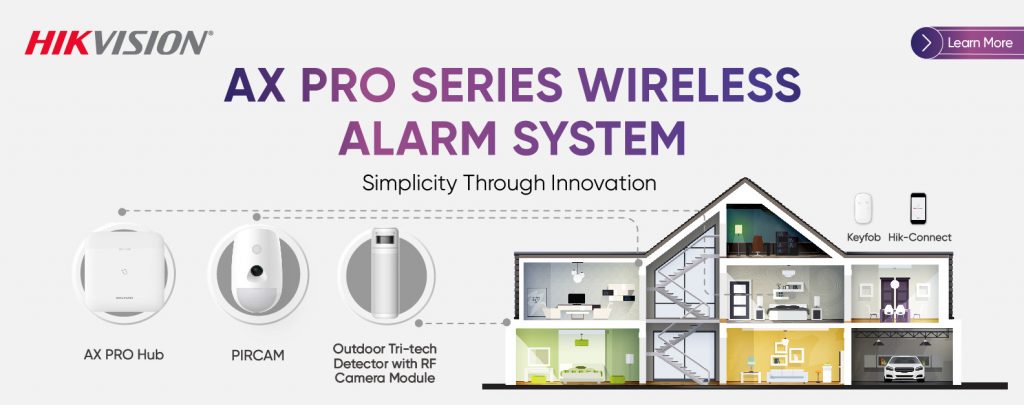
Depending on scale and budget, the operator may review fixed camera ranges from Hikvision, Dahua, or Hanwha. A larger dock or truck yard may also justify one supplementary PTZ from the 4MP PTZ category, but only after the fixed dock views already make sense.
Active Deterrence Around Dock Doors and Yards
Where the warehouse is dealing with after-hours theft risk, roller-door tampering, or unauthorised movement through the yard, active deterrence cameras deserve a place in the discussion. This is where flashing warning lights, speaker-based audio warnings, and two-way audio can add real value. In SecurityWholesalers terms, that may mean reviewing Hikvision ColorVu and Smart Hybrid ColorVu options, broader Dahua lines for TiOC or active-deterrence style models, or selected HiLook cameras where a simpler deterrence layer is enough.
The important thing is to use this technology naturally. Flashing lights and warning audio make most sense after hours or in alarm conditions, not as a constant daytime backdrop in an active loading zone. The warehouse should be clear about when deterrence will trigger, who can arm it, and how it fits with the overall dock security plan.
Do Not Make the PTZ the Primary Dock Camera
Even where a PTZ is useful, the dock still needs dependable fixed views on the roller-door threshold and the handling lane. Live-controllable overview is helpful, but it should not replace reliable playback coverage.
Worked dock and yard examples
Example: two-bay dispatch dock with regular reversing and pallet transfer
Situation: The operator mainly needed to review which bay was used, how the truck approached, and what happened between the roller-door line and the staging area.
Solution used: Stable threshold coverage on each roller-door line plus a wider apron or dock-face support view.
Why this was chosen: The site needed both the movement story and the fixed evidence line.
Example: broader truck yard with after-hours trespass concern
Situation: The yard was easy to overlook during the day but became the real risk area after hours.
Solution used: The design separated daytime dock handling coverage from the after-hours perimeter and deterrence layer.
Why this was chosen: The same view that explains dock work may not be the best view to deter or review night-time yard intrusion.
Common mistakes on dock coverage
- Relying on one broad dock camera without a stable roller-door threshold view.
- Ignoring the dispatch staging area just inside the dock.
- Planning the daytime handling scene well but leaving the yard and gate logic weak at night.
Suggested Next Reads
Sources and Further Reading
Frequently Asked Questions
-
Why do loading docks need special CCTV planning?
Loading docks combine trucks, forklifts, pedestrians, goods movement, roller doors, and changing light conditions. That mix means the operator usually needs both broad context and focused door or lane coverage.
-
What should cameras around a dock usually capture?
Cameras around a dock should usually capture the internal threshold, loading face, apron or truck position, and the movement routes into and out of the zone. The exact mix depends on how the site loads and receives stock.
-
Can a PTZ help at a dock or yard?
A PTZ may help as a supplementary overview tool for a large dock face or yard, but it should not replace fixed views on the critical thresholds and lanes. Fixed coverage is still the foundation.
-
What external issues matter most after hours at warehouse docks?
After hours, operators usually care about roller-door approaches, vulnerable dock doors, yard entry points, gates, and low-light footage quality around the truck apron or loading face.
-
Can active deterrence cameras help at warehouse docks?
Yes, active deterrence cameras can help around docks and roller doors after hours where theft, trespass, or unauthorised yard activity is a concern. They are usually best treated as an after-hours perimeter and dock-protection layer rather than a normal daytime worker-management tool.
-
Should deterrence be active all the time or only after hours?
That depends on the site. Many environments use deterrence more selectively after hours or in specific risk periods, rather than running warning responses continuously during normal activity.