












Commercial
Shopping Centre CCTV Recording Time, Storage, UPS, and Network Planning
Supporting Guide
Recording time should be based on the real review window
Retention should reflect how long centre management may need to review theft, anti-social behaviour, assaults, dock incidents, parking disputes, or after-hours alarms. Once camera count, resolution, frame rate, and recording mode are known, the CCTV Storage Calculator is the right place to pressure-test storage planning instead of guessing.
UPS and power resilience should be part of the design
If the centre wants continuity during short outages, the NVRs, core switches, routers, and critical uplinks should be included in the backup plan. The UPS Backup Time Calculator helps estimate whether the recorder path will stay up for long enough to matter.
The recorder path matters as much as the cameras
A shopping-centre CCTV system typically spans public areas, back-of-house corridors, docks, and car parks. That makes recorder placement, uplinks, and zone-based network design critical.
What usually works for shopping-centre recording design
| Design question | What usually works | Why |
|---|---|---|
| How should retention be planned? | Base it on how long management, tenants, or security may take to request review. | Centre footage is often pulled after a report, not while the event is still unfolding. |
| What should drive network design? | Treat public zones, docks, and car-park cores as grouped operational areas with dependable uplinks. | Large sites fail at the links between zones before they fail at the recorder itself. |
| What belongs on UPS? | The recorders, core switches, routers, and uplinks serving the priority evidence paths. | Keeping only one cabinet alive is not enough if the cameras and transport path drop out. |
Worked recording and network examples
Centre where review requests often arrive days later
Situation: Management originally sized storage around what seemed reasonable for live operations. In practice, tenant requests, security reviews, and incident reports often arrived well after the day of the event.
Solution used: Retention was recalculated around the real reporting lag, with entries, intersections, dock thresholds, and car-park cores treated as the priority channels.
Why this was chosen: Those are the scenes that usually carry the movement story. If they roll over too soon, the centre loses the most useful part of the review chain.
Installation notes: The storage model was tested against the actual camera count and recording settings, not just an optimistic headline estimate.
Multi-zone centre where only some cabinets had backup
Situation: During short outages, some recorders stayed up but key uplinks and switching paths did not. That meant the centre looked protected on paper but still lost the important scenes.
Solution used: UPS planning was widened to include the recorder layer, the core switching path, and the uplinks serving the critical public and back-of-house zones.
Why this was chosen: On a spread-out site, the network path is part of the evidence path. If one fails, the recorder staying on by itself does not solve much.
Installation notes: The centre tested the design by simulating a short outage and confirming that the priority zones remained reachable and recording.
Common recording and network mistakes
- Planning retention around ideal review behaviour instead of how the site actually receives incident requests.
- Leaving docks, car-park cores, or service corridors on weaker network paths than the public mall.
- Protecting only one recorder cabinet on UPS while critical uplinks still fail.
- Treating a large multi-zone centre like one small recorder job.
- Overvaluing broad mall footage and undervaluing the transition scenes that carry the movement chain.
Relevant SecurityWholesalers Product Areas
Shopping-centre CCTV usually needs a commercial mix of strong fixed cameras, broader public-area context where it helps, and dependable recorder, storage, and network design across multiple zones.
- Hikvision CCTV cameras - A practical starting point for entries, intersections, and docks.
- HiLook CCTV cameras - A cost-effective Hikvision-backed option for reliable fixed-lens coverage where the site does not need motorised zoom cameras on every view.
- Dahua CCTV cameras - A strong commercial alternative for mixed public and back-of-house coverage.
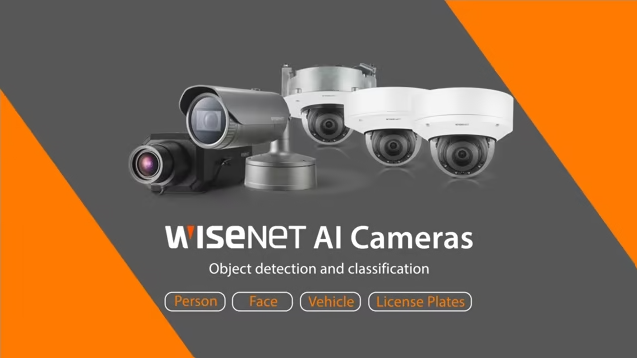
- Hanwha commercial cameras - Worth considering where the centre wants a premium commercial shortlist.
- PTZ cameras - Relevant where a larger centre genuinely needs broader overview support.
- PoE switches - Important where the centre has multiple grouped camera zones.
Australian Source References
Frequently Asked Questions
-
How should shopping centres buyers decide on recording time?
Retention should reflect how long centre management may need to review theft, anti-social behaviour, assaults, dock incidents, parking disputes, or after-hours alarms.
-
Why does UPS planning matter on this type of job?
If the centre wants continuity during short outages, the NVRs, core switches, routers, and critical uplinks should be included in the backup plan.
-
What usually matters most in the recording path?
A shopping-centre CCTV system typically spans public areas, back-of-house corridors, docks, and car parks. That makes recorder placement, uplinks, and zone-based network design critical.
-
What is the most common storage-planning mistake?
A common mistake is focusing heavily on broad mall views while under-planning the entries, docks, and transition points that carry more practical review value.
-
Should every camera record 24/7?
Not always. Some sites want continuous recording on critical areas and event-based recording on lower-risk zones. The right choice depends on review needs, storage budget, and how much risk the site can tolerate.
-
What equipment should stay on UPS power during an outage?
At a minimum, the recorder path usually matters most. That often means the NVR, the key PoE switch, the modem or router, and any wireless bridge or intercom path the site relies on for review or remote access.