

















Commercial
CCTV Systems for Pubs and Clubs
Pillar Page
Need the buying answer first?
Start with Best CCTV System for Pubs and Clubs in Australia for the quicker answer on camera count, entry and bar priorities, and when a venue really needs a bigger recorder path.
Licensed venues often combine entries, queuing, bars, tills, gaming or wagering areas, dance floors, smoking courtyards, late-night trading, security staff, and after-hours cash or stock risk. That is why venue CCTV usually needs more deliberate coverage than a standard hospitality fit-out.
Fixed cameras usually suit entries, bar points, tills, gaming or ATM-adjacent areas, smoking-area access, and rear doors. Motorised lenses can help on broader crowd spaces or larger venue floors where the field of view needs careful tuning. PTZs can add value in larger clubs or multi-zone venues, but should not replace fixed evidence cameras. Deterrence cameras are mainly an after-hours external tool at rear lanes or side access.
How This Environment Should Use the Main Camera Types
Licensed venues usually need strong entry, bar, and movement-zone evidence first, then broader overview where the venue is large enough to justify it.
| Camera Type | Where It Usually Fits | Why It Matters |
|---|---|---|
| Fixed lens | Entry, bar, till, gaming-adjacent areas, smoking-area access, rear door | Stable evidence views are critical in the zones where incidents and disputes are most often reviewed. |
| Motorised lens | Broader crowd areas, larger internal floors, wider courtyards | Useful where a larger venue needs a tunable scene rather than one guessed lens. |
| PTZ | Larger clubs, broad floors, external forecourts | Can add overview on bigger venues, but should not replace fixed evidence cameras. |
| Deterrence camera | Rear lanes, side access, after-hours perimeter points | Useful after hours where visible warning may discourage intrusion or loitering. |
What This Site Usually Needs to Cover First
- Main entry and queue approach
- Bar, till, and transaction zones
- Gaming, ATM-adjacent, or other higher-risk internal areas
- Smoking courtyard or controlled external patron areas
- Rear doors, keg or stock areas, and service access
- After-hours perimeter and side-lane approach
Decision points on this type of site
| Question | Stronger direction | Why it matters |
|---|---|---|
| Where should the first cameras go? | Start with the front queue, bar service point, cash office, and the smoking area exit. | Those zones usually answer the highest-value access, movement, and after-hours questions. |
| Where does broader coverage become useful? | Add wider or adjustable views only after the control points are covered properly. | Broad coverage adds context, but it rarely replaces the scenes that need stable evidence. |
| What should shape the recorder and UPS path? | Retention expectations, outage tolerance, and how often management will need to review patron incident review. | A weak head-end path can undermine an otherwise sensible camera layout. |
Sample scenarios
Darren's pub
Darren is trying to decide where to spend the first stage of the CCTV budget. The stronger answer is to start with the front queue, bar service point, cash office, and the smoking area exit rather than buying broad overview coverage for the whole site. Those views are more likely to answer real questions around patron incident review, restricted access, and after-hours activity.
Nicole's licensed club
Nicole already knows the site wants better security but is unsure whether to spend more on broader cameras or on the recording path. In this case the better outcome comes from a balanced design: stable views on the control points, sensible coverage of gaming room threshold, and enough recorder and UPS headroom to hold the footage when after-hours cash-area entry or a later review request actually matters.
Product Areas That Normally Matter
Pubs and clubs usually review stronger fixed cameras, low-light crowd-area coverage, and the recorder path that supports secure retention and quick incident export.
- Hikvision CCTV cameras - A practical starting point for entry, bar, and low-light venue coverage.
- HiLook CCTV cameras - A cost-effective Hikvision-backed option for reliable fixed-lens coverage where the site does not need motorised zoom cameras on every view.
- Dahua CCTV cameras - A commercial alternative worth considering for mixed indoor and outdoor venue views.
- Hikvision ColorVu cameras - Useful where stronger night-time colour detail helps in smoking areas or external entry points.
- PTZ cameras - Relevant where a larger venue genuinely needs broad floor or forecourt overview.
- NVRs - Important for retention, incident export, and controlled playback access.
- Surveillance hard drives - Better suited to continuous recording workloads than ordinary desktop drives.
Best product paths to compare first
A strong buying guide should not force one kit onto every site. These SecurityWholesalers product paths are practical starting points to compare against the actual risk, lighting, camera count and recorder needs on the site.
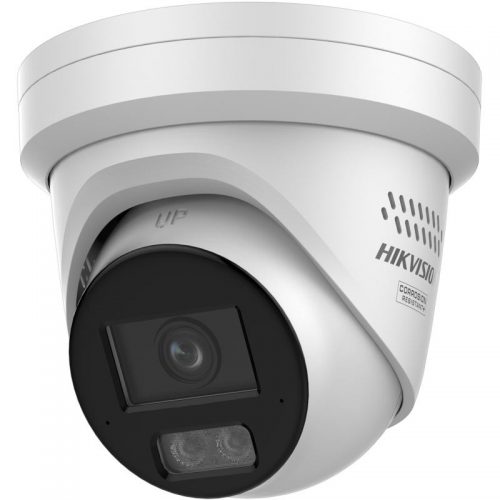
Hikvision commercial CCTV
Best first comparison for broad commercial CCTV, low-light options, deterrence cameras, ANPR, PTZ and mature recorder workflows.
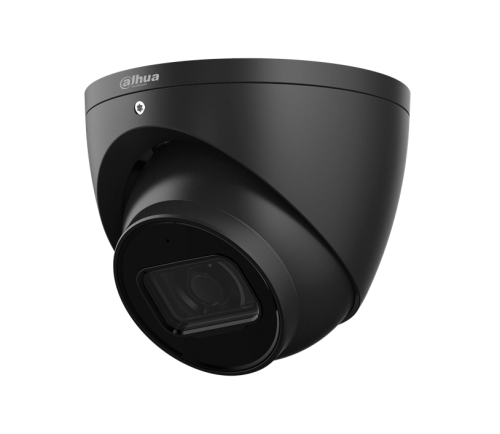
Dahua commercial CCTV
Strong alternative for value-focused business systems, WizSense/WizColor style detection, TiOC deterrence and practical NVR paths.
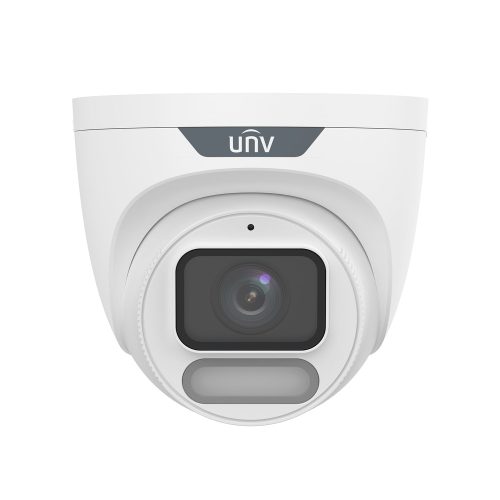
Uniview CCTV
Useful when the buyer wants a capable commercial IP CCTV system with sensible fixed cameras, OwlView, Tri-Guard and NVR options.
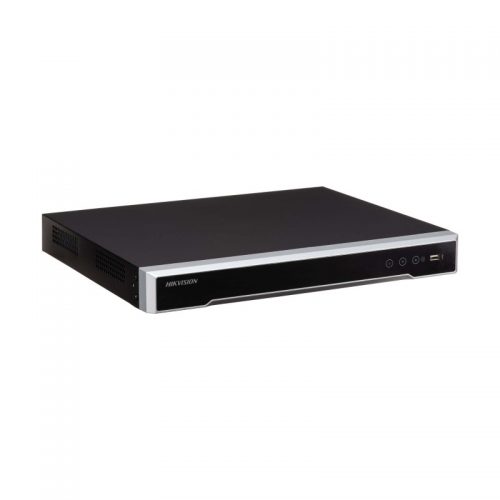
NVR and storage path
The recorder is the backbone of the system. Confirm channel count, storage, PoE budget, remote access and review workflow before finalising cameras.
Buyer decision table
| Buyer priority | Usually compare | What to confirm before ordering |
|---|---|---|
| Clean everyday evidence | Fixed turret or dome cameras | Camera height, lens width, lighting and storage time. |
| After-hours deterrence | Live Guard, TiOC, Tri-Guard or alarm plus CCTV | False-alarm risk, neighbours, notification workflow and response procedure. |
| Vehicle or gate activity | Dedicated gate views, ANPR where needed, and overview cameras | Whether the buyer needs readable footage, searchable plate events, or gate automation. |
| Large or awkward areas | Motorised varifocal, PTZ support or multiple fixed cameras | Whether the PTZ will be actively used or fixed evidence cameras are more valuable. |
Quote-ready checklist
- Mark the exact doors, gates, counters, car spaces or restricted areas that must be reviewed after an incident.
- Decide whether each view needs identification detail, general overview, deterrence, audio, ANPR or only movement context.
- Confirm lighting at night and whether visible white light or speaker warnings are acceptable.
- Estimate final camera count before choosing an NVR so the system has room to grow.
- Confirm who can view footage, who can export it, and how long the site needs to retain recordings.
Work Out Recording Time, Storage, UPS, and Layout Early
Pubs and clubs should decide retention from real operating needs: patron incidents, security reviews, assaults, theft, gaming-area disputes, or after-hours alarms. Once camera count, recording mode, and image detail are clear, the CCTV Storage Calculator helps size storage more reliably.
The Camera Planner helps map entries, bars, gaming zones, smoking courtyards, rear service areas, and crowd-flow points on the venue layout. If the venue wants the recording path to stay online during short outages, the UPS Backup Time Calculator helps estimate runtime for the NVR, switch, modem, and key network path.
Signage, Compliance, and Operational Boundaries
Licensed venues should stay clear on entry signage, who can access footage, and how the design fits venue security expectations. They should also be disciplined about the retention and export process because incidents often become police or regulator matters quickly.
The CCTV Signage Generator helps prepare practical venue notice, and the CCTV Compliance Checker is a smart final step where the operator wants to review the planned design against signage, privacy, and venue operating assumptions before go-live.
Practical Position
A licensed-venue system is only as good as its entry, bar, and movement-zone evidence. Wide general coverage means little if those scenes are weak.
Explore This Guide Series
This topic now has supporting guides covering placement, camera selection, recording time, privacy, and the most important implementation details for pubs and clubs.
- Pub and Club CCTV Coverage Zones and Camera Placement - Plan camera placement for pubs and clubs with practical guidance on the first zones to cover, common blind spots, and how to mark the layout before installation.
- Pub and Club CCTV Fixed, Motorised, PTZ, and Deterrence Cameras - Understand how fixed, motorised, PTZ, and deterrence cameras fit into pubs and clubs CCTV designs, and where each camera type is useful.
- Pub and Club CCTV Recording Time, Storage, UPS, and Network Planning - Work out recording time, storage, UPS backup, and network design for pubs and clubs CCTV systems with practical planning guidance.
- Pub and Club CCTV Signage, Privacy, and Compliance Considerations - Review signage, privacy, footage access, and practical compliance considerations for pubs and clubs CCTV systems.
- Pub and Club CCTV for Bars, Gaming Areas, Smoking Zones, and Incident Review - Plan CCTV for pub and club bars, gaming zones, smoking areas, and incident-review workflow with practical venue guidance.
Australian Source References
Frequently Asked Questions
-
What should a pub or club CCTV system usually cover first?
Most venues begin with the main entry, bar and till points, smoking-area access, rear doors, and any gaming or higher-risk internal areas. Those zones usually matter most when incidents are reviewed.
-
Do pubs and clubs need PTZ cameras?
Some larger venues can justify them for broader overview, but PTZs should support rather than replace fixed entry, bar, and key movement-zone coverage.
-
Why do licensed venues need stronger retention and export discipline?
Because venue incidents can quickly involve police, inspectors, or regulators. The footage needs to be retained sensibly and exported in a controlled, usable way.
-
Why does UPS planning matter at a pub or club?
Because short outages can interrupt the exact footage needed for an incident or after-hours review. If the recorder path matters, backup runtime should be estimated before the system is finalised.
-
How long should footage usually be kept for this type of site?
That should be based on the real review window for this environment, not a random number. The right answer depends on how quickly incidents are usually discovered and how long the site may need to go back and review footage.
-
Should this type of CCTV system be staged or installed all at once?
Either can be right. Many sites start with the highest-risk zones first, then expand once the camera positions, storage assumptions, and operating procedures have been proven.