












Informational
Car Yard CCTV Coverage Zones and Camera Placement
Supporting Guide
Start with the zones that create real review value
Car-yard CCTV should start with the areas that answer the commercial questions later: who came to the office, who accessed the keys, which vehicle row they moved through, and how a vehicle left the lot or service area.
Large overview coverage can be useful in a yard, but it is rarely enough on its own. The strongest systems separate the stock-lot overview from the key-control and vehicle-release evidence points. That is what allows the operator to tie a person to a vehicle movement later.
Placement should match the incident type
| Scenario | What the yard usually needs to review | Best camera zone |
|---|---|---|
| Unauthorised key access | Who approached the office or key room, who accessed the keys, and what happened next | Office entry, key-control area, internal office threshold |
| Vehicle leaves without clean authorisation trail | Which person approached the vehicle, whether keys were issued, and which gate or driveway exit was used | Key room, handover area, driveway or exit path, stock-row transition |
| Test-drive dispute | Who received the vehicle, what condition it was in before departure, and how it left the site | Test-drive staging bay, office frontage, driveway exit |
| After-hours intrusion or theft | Which side gate or perimeter line was breached and which stock row or office side was targeted | Gates, perimeter edges, dark rows, office / workshop side access |
Plan around how the site actually operates
A busy daytime sales yard and an after-hours empty lot create different problems. In trading hours, the focus is office entry, key control, and handover flow. After hours, the priorities shift to gate lines, side entries, stock rows, and dark edges where vehicle movement can begin unnoticed.
If the yard includes a workshop, detailing bay, or service-prep line, those transitions often deserve their own review logic too. A vehicle can move from sales stock into prep or service in a way that later matters commercially, especially if there is a damage dispute or key-accountability question.
Common blind spots on car-yard jobs
- Key rooms or key cabinets that are not tied clearly to office entry and exit footage.
- Driveway exits that show vehicles leaving broadly but not who approached them beforehand.
- Rows at the side or rear of the yard where after-hours movement starts before it reaches the better-lit frontage.
- Test-drive staging areas where condition and handover sequence are not clearly visible.
- Side gates and prep-area transitions that matter more after hours than they appear to in daytime trading.
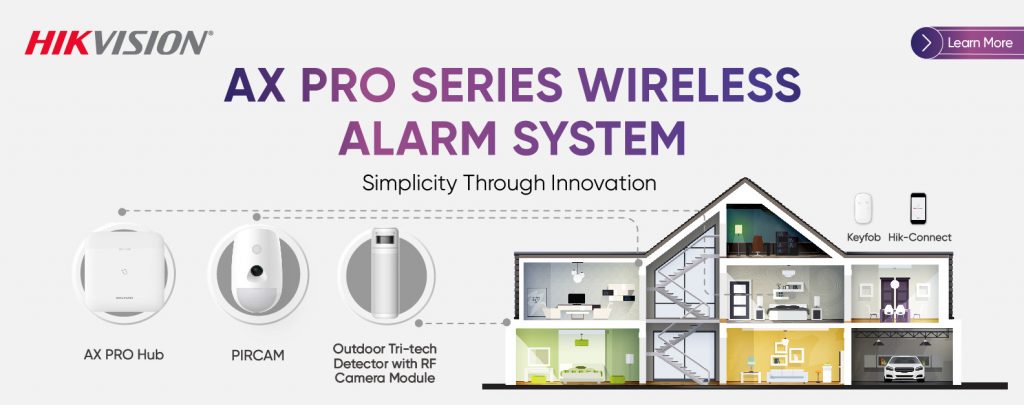
Where the side gate or rear entrance sits well away from the main building, it can also be worth considering a dedicated security layer with AX Pro or a solar entrance branch rather than forcing that edge to wait for a full cabling project.
Use the right tool before hardware is locked in
The Camera Planner is useful for marking the office, frontage, key room, driveway, test-drive staging area, and after-hours perimeter before the lot layout is finalised. Mapping the layout before hardware is ordered usually avoids blind spots and reduces the temptation to rely on one broad camera for everything.
On car-yard jobs, it is especially useful for connecting the key-control path to the physical vehicle-movement path.
Placement decisions that usually matter most
| Incident or question | Zone that should show it clearly | Why that view matters |
|---|---|---|
| test-drive dispute | front frontage and vehicle rows | These are often the first scenes reviewed when management needs to understand what happened. |
| Unauthorised access to controlled areas | key room and sales office | Threshold views usually explain entry, approach, and timing better than general overview coverage. |
| after-hours vehicle tampering | rear gate | After-hours activity is often discovered later, so that scene needs dependable recorded evidence rather than a vague wide shot. |
Sample placement scenarios
Luke's layout review
Luke first wanted to cover the whole site with a few wide views. A stronger layout starts with the front frontage, vehicle rows, the approach to key room, and the path to rear gate. Those are the scenes most likely to be reviewed after test-drive dispute or a restricted-area access question.
Renee's blind-spot problem
Renee already has broad coverage but still cannot answer who moved through the handover bay or who approached the sales office door. The problem is not camera count. It is that the important thresholds and transition points were treated as background instead of as the key scenes that drive the whole placement plan.
Relevant SecurityWholesalers Product Areas
Car yards normally review fixed cameras for access and key-control points, broader lot coverage for stock rows, and dependable recorder and cabinet protection.
- Hikvision CCTV cameras - A practical starting point for frontage, office, and stock-lot coverage.
- HiLook CCTV cameras - A cost-effective Hikvision-backed option for reliable fixed-lens coverage where the site does not need motorised zoom cameras on every view.
- Dahua CCTV cameras - A commercial alternative for mixed office and external lot coverage.
- Hanwha commercial cameras - Worth considering where the yard wants a premium commercial shortlist.
- PTZ cameras - Relevant where a larger yard needs broad overview support.
- NVRs - Important for retention, review, and export workflow.
Australian Source References
Frequently Asked Questions
-
What should a car yards CCTV system cover first?
Most car yards should start with the office entry, customer frontage, key-control area, gate or driveway access, and vulnerable after-hours perimeter lines around stock vehicles.
-
How should car yards sites balance evidence views and overview cameras?
A lot overview is useful for context, but the evidence views still need to sit where keys are handled, customers enter, vehicles leave, and after-hours access can be reviewed.
-
What blind spots usually cause problems on car yards jobs?
Weak points often include key rooms, handover points, service-prep edges, side gates, and rows where vehicles can be moved without a strong entry or exit record.
-
Can the Camera Planner help before the install starts?
The Camera Planner is useful for marking the office, frontage, key room, driveway, test-drive staging area, and after-hours perimeter before the lot layout is finalised.
-
Should the site start with fewer well-placed cameras or try to cover every area immediately?
It is usually better to start with the highest-value views first. Well-placed cameras on entries, choke points, and known risk areas usually outperform a larger number of poorly placed cameras.
-
Does mounting cameras higher always improve coverage?
No. Higher mounting can increase overview, but it can also reduce identification detail and make faces or events harder to interpret. Height should match the job of the camera.