












Commercial
Best CCTV System for Restaurants and Cafes in Australia
Return to CCTV Systems for Restaurants and Cafes
Commercial
Quick answer
A small cafe may only need 4 to 6 cameras. A typical restaurant or cafe often lands around 6 to 10 cameras once the entry, till, pass or service threshold, rear door and after-hours approach are treated properly. Larger venues, wider alfresco trading, or multi-entry sites can move into 10 to 16+ cameras.
What this page helps with
- Choosing camera count for cafes and restaurants
- Prioritising entry, till, rear-door and lane coverage
- Knowing when PTZ is unnecessary
- Planning storage and after-hours security properly
At-a-glance recommendation table
| Site type | Typical camera count | Recommended system | Notes |
|---|---|---|---|
| Small cafe or takeaway | 4 to 6 cameras | 8 channel PoE NVR | Entry, till, main service floor, rear door and lane or bin access usually matter most. |
| Typical restaurant | 6 to 8 cameras | 8 or 16 channel NVR | Service counters, dining flow and delivery access usually add one or two more views than expected. |
| Restaurant with alfresco and rear lane | 8 to 12 cameras | 16 channel NVR | Broader frontage and after-hours access need more deliberate planning. |
| Multi-entry hospitality venue | 10 to 16 cameras | 16 channel recorder path | Useful once several service and access points need proper evidence views. |
4 vs 8 vs 16 Camera Restaurant and Cafe CCTV Systems
4 camera hospitality system
Enough for a very small venue if the entry, counter and rear access are the true priorities.
8 camera hospitality system
Usually the more practical recommendation for a working cafe or restaurant because it leaves room for both front-of-house and rear-of-house coverage.
16 camera hospitality system
Useful once alfresco, several entries or a broader operating footprint are involved.
What areas should a restaurant or cafe CCTV system cover?
| Area | Recommended camera type | What to capture | Notes |
|---|---|---|---|
| Main entry | Fixed or varifocal camera | Threshold and customer approach | Often the most important first view. |
| Counter or till | Dedicated fixed view | Transaction and staff-customer interaction | Very useful for disputes and theft review. |
| Dining or service floor | Fixed or tuned motorised view | Context and movement | Broad enough to support incidents, not so broad that detail disappears. |
| Pass or kitchen threshold | Fixed camera | Who moved through the service threshold | Usually more useful than treating kitchen prep as the main CCTV scene. |
| Rear door or delivery door | External or deterrence camera | Deliveries and after-hours access | Very often the real break-in point. |
| Lane, bin area or side approach | External fixed or deterrence camera | Movement after hours | Important where hospitality trades into later hours. |
For the detailed planning layer, use Counters, Rear Doors, and Hospitality Incident Review, Coverage Zones and Camera Placement, and Recording Time, Storage, UPS, and Network Planning.
Recommended buying paths
Small venue path
HiLook or a value-led PoE kit can suit a smaller venue if the camera positions are disciplined.
Recommended hospitality path
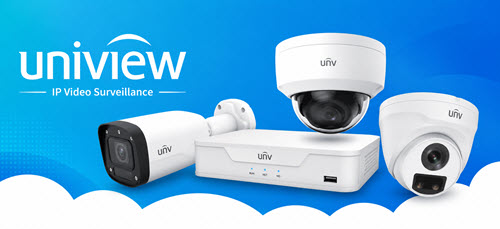
Hikvision, Dahua or Uniview usually make more sense once rear-lane, broader frontage or after-hours risk becomes more serious.
Broader venue path
Move to a 16 channel recorder before the venue outgrows the system, especially if extra entries or alfresco trading may be added later.
Related buying categories
CCTV Kits
Useful for smaller venues with straightforward layouts.
IP Cameras
Better where front and rear hospitality zones need different lenses.
NVRs
Continuous recording and playback matter in hospitality.
PoE Switches
Relevant if the venue grows or splits into several camera groups.
Frequently asked questions
What is the best CCTV system for a restaurant or cafe?
Usually a wired IP system built around the entry, counter or till, rear door and after-hours access points rather than generic dining-room coverage.
How many cameras does a restaurant or cafe need?
Many smaller venues need 4 to 8. Broader restaurants or multi-entry venues can move beyond that quickly.
Do restaurants need PTZ cameras?
Usually not as the first answer. Most venues get more value from well-placed fixed cameras.
What parts of a restaurant matter most?
Main entries, counters or tills, rear doors, delivery access and late-night external approaches usually matter most.
Should restaurant CCTV record continuously?
Often yes on the key views, because disputes, theft and rear-door incidents are usually reviewed after the fact.