












Commercial
How to Use One PTZ Without Designing the Whole System Around It
Commercial
In a large warehouse, one PTZ may help the operator review a broad dispatch area, a multi-door dock face, or an external truck yard from an authorised live-overview position. It can also support incident response when a supervisor needs to look across a wider zone quickly. That said, a PTZ is not a cure for bad planning. If the warehouse does not already have fixed views in the important places, the PTZ will not solve that problem.
When One PTZ Usually Makes Sense
- The site already has fixed cameras covering key doors, crossings, lanes, and thresholds.
- The operator needs authorised live overview of a larger zone.
- The warehouse has a genuine operational reason to review movements in real time.
- The operator can document who controls the PTZ and why.
- The site provides appropriate workplace notice and policy support for surveillance use.
One PTZ Can Help Surveil Workers if Required, But Carefully
If the warehouse operator has a legitimate need to monitor a working zone, one PTZ may assist with that task where it is lawfully disclosed and governed. Examples may include supervising a large loading face, reviewing an incident developing in a live operational area, or observing a high-risk movement zone from a central point. The PTZ should still sit within a clear policy framework and should not be treated as a covert or informal worker-monitoring tool.
Important Boundary
The PTZ should support authorised oversight. It should not replace traffic segregation, barriers, safe systems of work, line management, or dependable fixed camera coverage.
Good PTZ Jobs vs Bad PTZ Jobs
| Good PTZ Use | Why It Works | Bad PTZ Use |
|---|---|---|
| Supervising a broad loading face | Adds flexible overview to a large operational area. | Replacing fixed dock threshold cameras |
| Checking a yard or truck movement area | Lets authorised staff review a wider external zone. | Acting as the only camera for a critical gate or roller door |
| Supporting incident response in a large floor zone | Provides responsive live context when needed. | Becoming a catch-all substitute for proper coverage planning |
Which PTZ Products Should a Buyer Review?
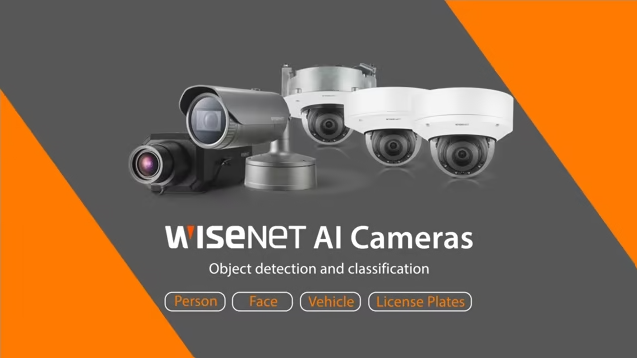
Where the operator wants to browse live-controllable camera options, a practical place to start is the 4MP PTZ camera directory. The broader fixed system may still be built from Hikvision fixed cameras, Dahua fixed cameras, or Hanwha commercial cameras depending on the design brief.
Control Access Should Be Limited
The warehouse should decide who can actually drive the PTZ. In most cases, control should be limited to specific supervisors, managers, or authorised security staff. PTZ presets, user roles, and recorder permissions should all be part of the NVR and policy design from the beginning.
Suggested Next Reads
Sources and Further Reading
Frequently Asked Questions
-
When does one PTZ camera make sense in a warehouse?
One PTZ may make sense when the operator wants authorised live overview of a large zone such as a broad loading face, external yard, or dispatch area and already has proper fixed camera coverage. The PTZ should have a clear operational purpose rather than exist as a vague extra feature.
-
Can a PTZ be used to surveil workers if required?
A PTZ may be used in a workplace where the operator has a legitimate reason, gives proper notice, and follows relevant workplace surveillance and privacy requirements. It should be used within a clear policy and should not replace fixed coverage, safety controls, or direct supervision.
-
What is the biggest mistake with warehouse PTZ use?
The biggest mistake is expecting a PTZ to replace fixed cameras. A PTZ can only look in one direction at a time, so it should supplement a sound fixed layout rather than become the primary surveillance layer.
-
How should access to a PTZ be controlled?
PTZ control should usually be limited to authorised users with a clear operational reason, such as supervisors or managers responsible for incident response or site review. The warehouse should avoid broad or informal control access.
-
Can one PTZ replace several fixed cameras?
Usually no. A PTZ can add flexible overview or live follow-up, but fixed cameras are still the backbone when the site needs stable recorded evidence on key zones all the time.
-
When is a motorised lens worth paying extra for?
It is usually worth it where the final framing is uncertain, the view is long and narrow, or the operator needs to tune the scene carefully during commissioning.