You see a camera at a shop
It points at the entry and checkout.
That is usually for safety and loss prevention.
Junior Security Detective Academy
Learn why security cameras must be used respectfully, where cameras belong, and why privacy matters.
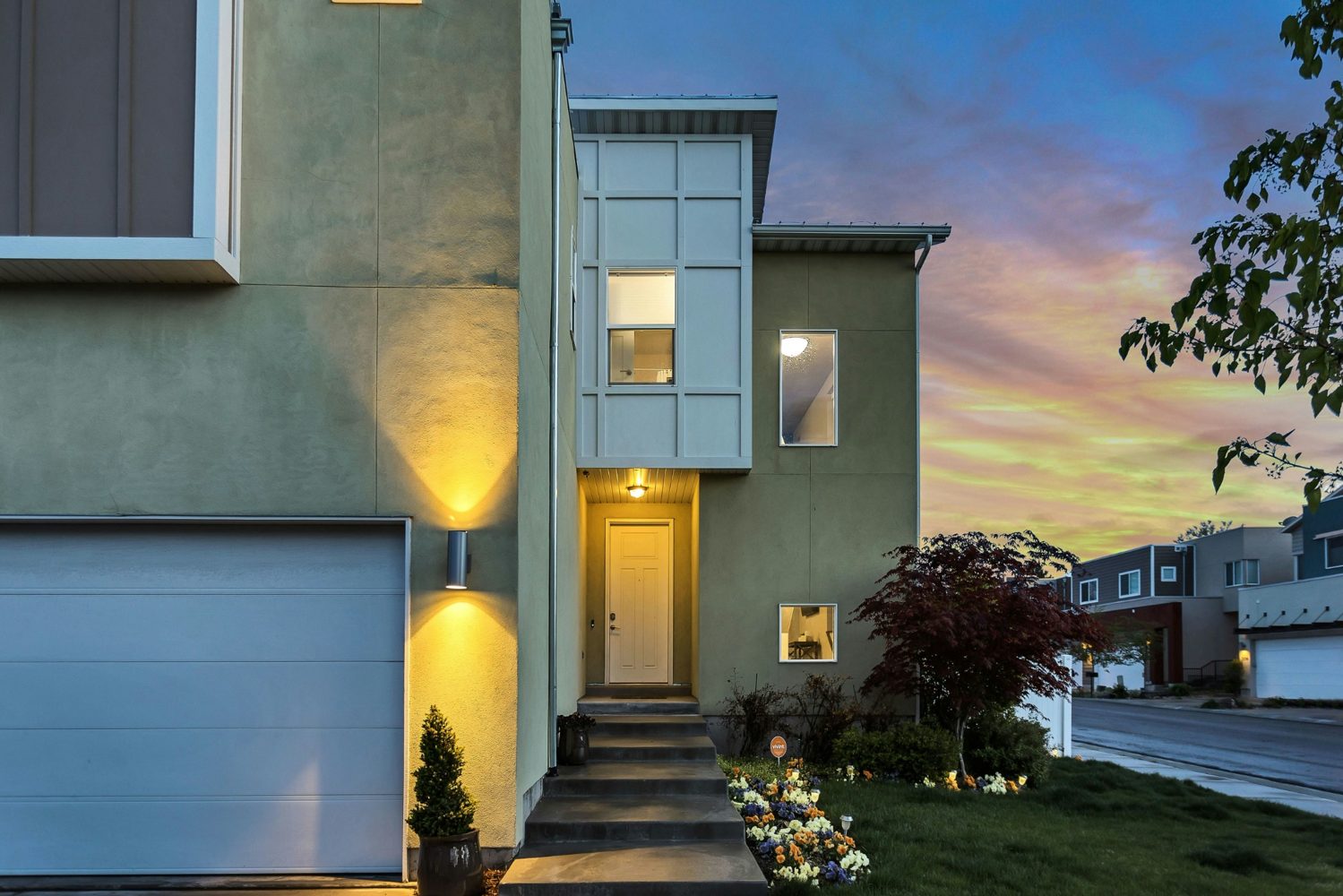
Privacy means people should have reasonable control over personal spaces and personal information. CCTV can help keep places safe, but it should be used with respect. A junior security detective understands that a camera is a safety tool, not a toy for spying.
A camera at a front door can help protect deliveries and visitors. But a camera aimed into a neighbour’s window is not respectful. Good security protects people while avoiding unnecessary recording of private areas.
Video can show faces, voices, clothes, car number plates and where people went. That means footage should be protected with passwords and only viewed by trusted adults for a proper safety reason.
Homes, shops, schools and workplaces may have different rules about cameras. Adults need to understand local laws and policies. Kids only need the simple rule: use cameras to protect, not to spy.
A sensible purpose might be the front door, driveway, gate or cash register.
A camera may accidentally capture neighbours, passers-by or private spaces.
Only trusted adults should have access.
Strong passwords and responsible sharing matter.
It points at the entry and checkout.
Someone says it is just for fun.
They think it is funny.
A simple way to think about camera privacy is the purpose test. Ask: What is this camera trying to protect? Is the angle limited to that purpose? Could it be adjusted to protect the area while recording less private information?
For example, a camera protecting the front door might be aimed down at the entry path instead of across the street. A driveway camera might avoid pointing into a neighbour’s window. A backyard camera might be used for gates and sheds, but it should not be used to embarrass guests or watch private activities.
Another important idea is access. Who can watch the cameras? Who can download footage? Who can share it? A responsible system limits access to trusted adults and uses passwords. Footage should not be posted online for jokes, gossip or arguments.
Privacy is not anti-security. In fact, respectful security is better security. People are more likely to trust safety systems when they understand the purpose and know the tools are not being misused.
Make three columns: Good idea, Maybe, and Not okay. Sort these examples: camera at front entry, camera facing neighbour’s bedroom, camera at shop checkout, camera in a bathroom, camera at a shared driveway, camera watching a pet area, camera secretly placed in a bedroom.
Before using a camera, ask four questions: What is the safety purpose? Is the camera pointed only where needed? Who can view the footage? How long should it be kept? This helps students understand that security and privacy can work together.
Protect the entry, driveway or shared area.
Aim only where needed. Avoid private spaces.
Only trusted adults should view footage.
Do not share footage to embarrass someone.
No. It should have a sensible purpose and respect privacy.
Usually no, unless a trusted adult is supervising for a proper reason.
Yes, if people can be identified from the footage.
Protect people, do not spy on people.
Finished reading? Mark this lesson as complete to track your progress.