The side gate is open
You come home and notice the side gate is open, but no adult has said someone is visiting.
Do not go exploring. Tell a trusted adult straight away and stay somewhere safe.
Junior Security Detective Academy
Learn how locks, lights, habits, alarms and cameras work together to help make a home safer.
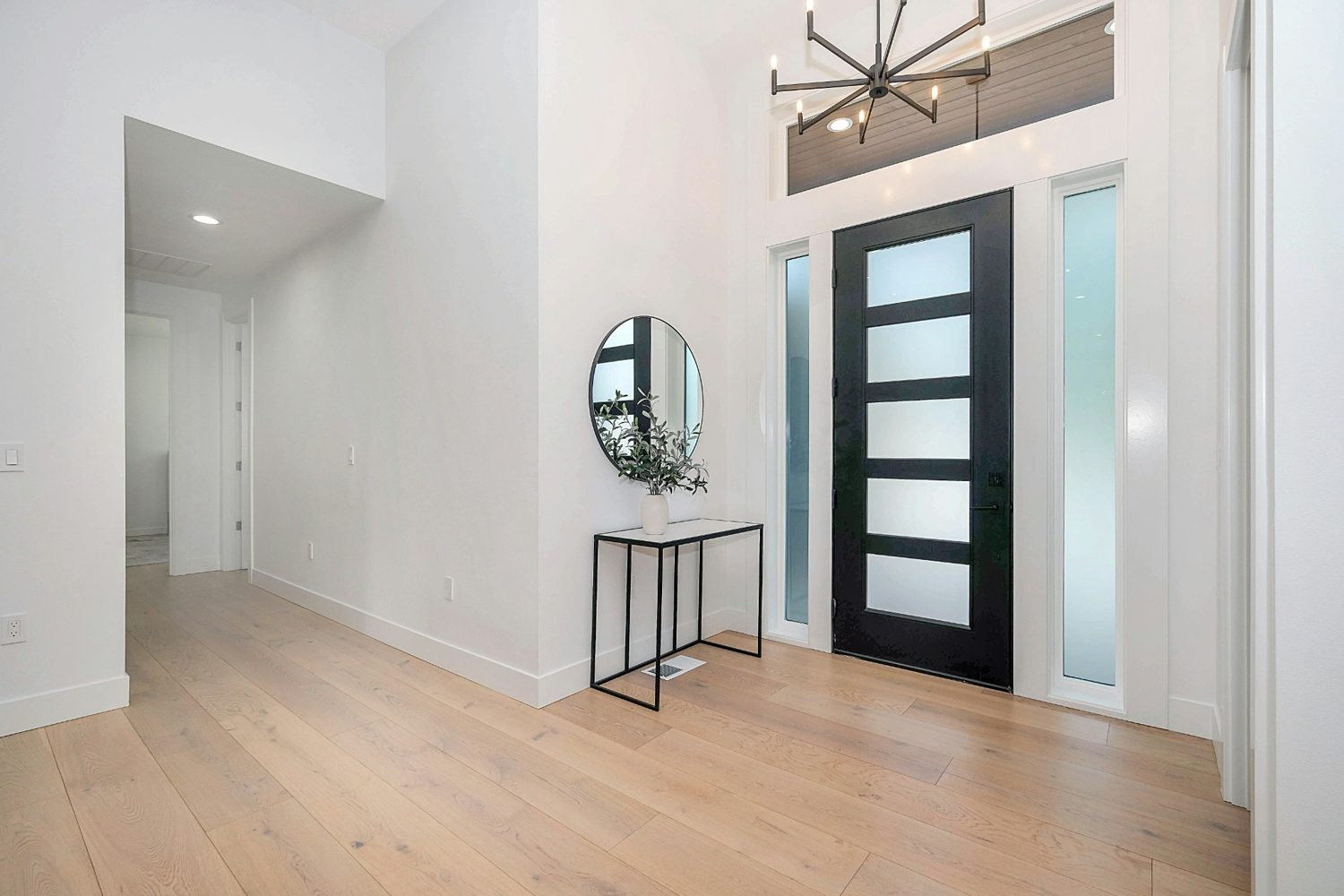
Home security is not about being frightened. It is about using good habits and smart tools so a home is harder to enter by accident or without permission. A junior security detective looks for simple things: Is the door closed? Is the side gate left open? Can people see clearly at night? Does the family know what to do if an alarm sounds?
A strong door is useful, but it is only one layer. Other layers include windows that close properly, outside lights, clear paths, alarms, cameras, intercoms, safe passwords and family rules. When layers work together, a home is better protected because one mistake does not leave everything unprotected.
Many safety problems happen because of simple habits: doors left unlocked, spare keys hidden in obvious places, garage doors left open, or passwords shared with friends. Kids can help by noticing and telling an adult, but they should never challenge strangers or investigate danger.
Security tools are meant to protect people and property, not embarrass people or spy on them. Cameras should cover sensible areas like entries, driveways and gates. Privacy matters, especially around bathrooms, bedrooms, neighbours and visitors.
Front doors, back doors, sliding doors, garage doors and side gates are common places to check.
Lights and clear views can make it easier for people to notice what is happening.
Alarms and cameras can warn adults, but people still need a plan.
Families should know who to call, where to wait and what not to touch.
You come home and notice the side gate is open, but no adult has said someone is visiting.
You notice the door was not locked after school.
A friend says they just want to see how the keypad works.
Layer 1: Habits. Habits are small things repeated every day. Closing doors, not leaving garage doors open, keeping school bags away from windows, and telling an adult when something feels wrong are all security habits. They cost nothing and are often the easiest layer to improve.
Layer 2: Physical protection. This includes locks, door frames, window catches, security screens, gates and fences. Physical protection helps slow down entry. It is not exciting technology, but it matters because cameras and alarms usually work best when doors and windows are already secure.
Layer 3: Visibility. A visible area is easier for people to notice. Porch lights, garden lighting, trimmed plants and clear pathways can reduce dark hiding spots. Visibility does not mean every place needs to be bright all night. It means important areas like entries, gates and paths can be seen when needed.
Layer 4: Detection. Detection means something can notice a change. Alarm sensors notice doors opening or movement. Cameras can record activity. Intercoms can let adults speak to visitors before opening the door.
Layer 5: Response plan. A warning is only helpful if people know what to do. A family plan should explain who can open the door, who can use alarm codes, what to do if a siren sounds, and who to call in an emergency.
Draw a simple house with a front door, back door, garage, windows and side gate. Add one idea for each safety layer. Then explain which idea is a habit, which is a physical barrier, which improves visibility, which detects activity and which belongs in the family response plan.
A safe home is not just one lock or one camera. It is a set of layers that work together. A security layer might slow someone down, help people see, warn an adult, record useful information or remind the family what to do.
Students can compare this to wearing a bike helmet, using brakes and following road rules. Each layer helps in a different way.
Good security does not mean treating everyone as suspicious. It means having sensible routines so everyone knows what to do. A delivery driver, neighbour or visitor may have a normal reason to be near a house. Children should observe calmly and ask adults rather than make accusations.
There is not one magic tool. Good safety usually comes from layers: habits, locks, lighting, alarms, cameras and a plan.
No. Kids should tell a trusted adult and follow the family safety plan.
No. Simple habits like closing doors, keeping valuables out of sight and using lights can help many homes.
No. A camera can record, but a lock physically helps keep a door or window closed.
Finished reading? Mark this lesson as complete to track your progress.