Someone knocks at the door
You don't have to answer. If you do speak through the door, do not say you are home alone. See the full Unexpected Visitors guide.
Kids Safety at Home
Clear rules and smart habits for when you're at home without an adult nearby. Being home alone is normal — being prepared makes it safe.
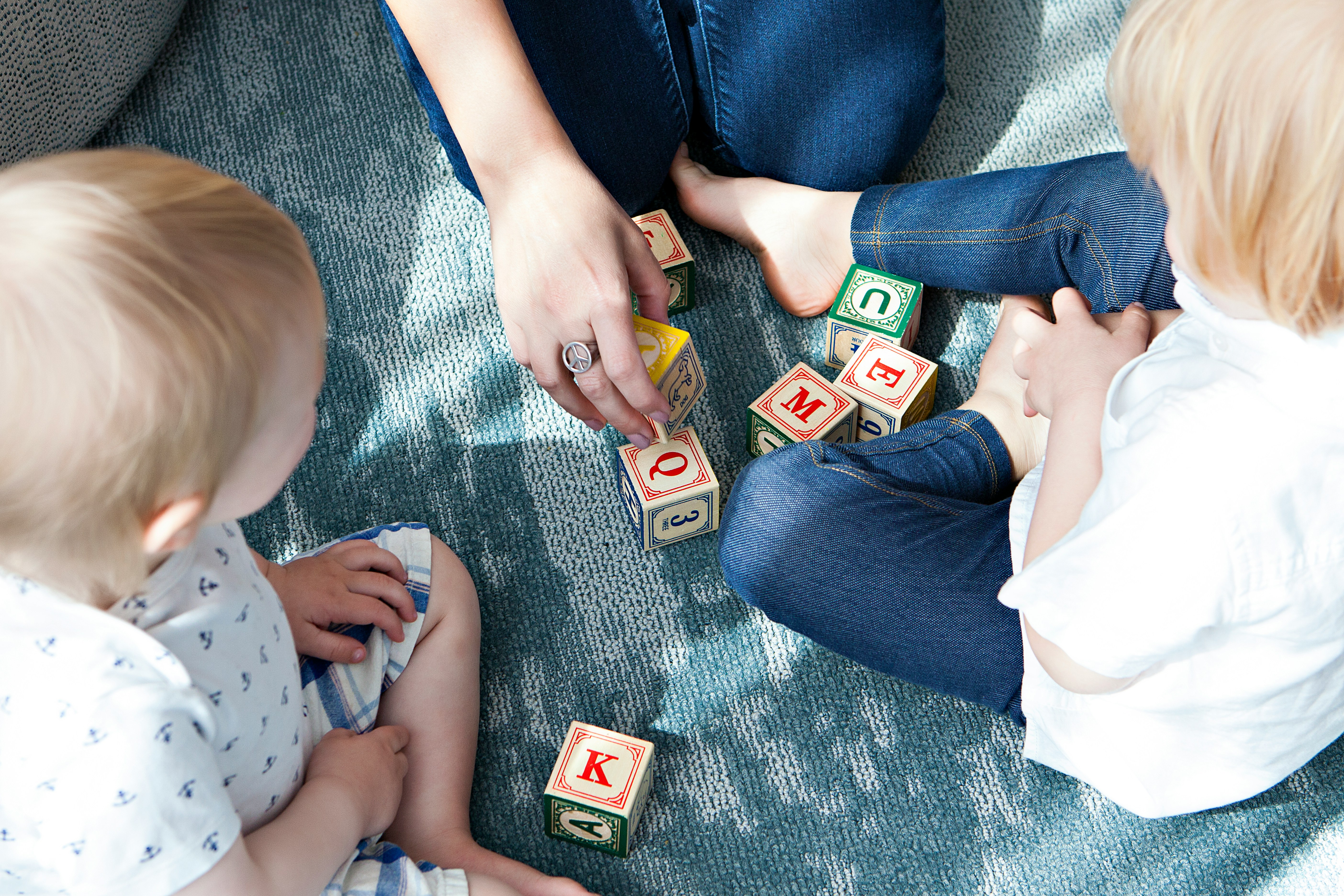
Being home alone is something most kids aged 8 to 13 experience at some point. It is completely normal, and most of the time nothing unusual happens. But it is important to know a small set of clear rules before you are home alone — so you feel confident and know exactly what to do if something comes up.
These are the things to sort out with your parent or carer before they leave:
Every person who lives there should know the full address: street number, street name, suburb and state. If you need to call 000, this is the first thing they will ask.
Know who to call if you can't reach your parent or carer. Write these down somewhere you can find them — not just in a phone.
Find out when an adult will be back and what to do if they are late. Agree on a check-in time — for example, send a message at a certain time to say you're okay.
Before the adult leaves, walk through the house together. Lock doors and windows. Check that the alarm (if you have one) is understood. Know where the first aid kit is.
Which rooms are off limits? Can you cook? Can friends come over? Can you answer the door? Clear rules mean fewer guesses.
Lock the front door, back door and any ground-floor windows. If you have a security alarm, ask your family if you should arm it. You should feel safe inside, not exposed.
A dead battery means you can't call for help. Keep your phone plugged in or make sure it has enough charge to last.
Don't post on social media that you're home alone. Don't tell unexpected callers you're by yourself. If someone calls and asks, it is okay to say "My parents can't come to the phone right now."
If your family hasn't said you can use the stove, don't. If there's a fire from cooking, don't try to fight it — get out and call 000. See the Fire Safety page.
You don't have to answer. If you do speak through the door, do not say you are home alone. See the full Unexpected Visitors guide.
Follow your family's alarm plan. Get to a safe room, do not investigate the sound, and call your trusted adult. If you are in danger, call 000.
For minor injuries: use the first aid kit. For serious injuries: call 000, tell them your address, and stay on the line. Don't wait to see if it gets better.
A leak, a power cut, a strange smell — call your trusted adult. Do not try to fix things yourself. Leave the house if you smell gas and call 000.
That feeling is worth listening to. Call your trusted adult. You can also call a friend to keep you company on the phone. You don't need a specific reason to call for help.
Try your second trusted adult. If you genuinely cannot reach anyone and something is wrong, call 000. Operators are trained to help children.
Go through this checklist with your parent or carer before they leave. Print it out and stick it somewhere easy to find.
| Check | Done? |
|---|---|
| I know my full home address | ☐ |
| I have two trusted adult phone numbers written down | ☐ |
| I know when the adult will return and the check-in plan | ☐ |
| Doors and windows are locked | ☐ |
| I know the alarm code and whether to arm it | ☐ |
| I know the family rules (cooking, visitors, door) | ☐ |
| I know where the first aid kit is | ☐ |
| My phone is charged | ☐ |
| I know Australia's emergency number: 000 | ☐ |
My trusted adult 1: _________________________________ Ph: _________________
My trusted adult 2: _________________________________ Ph: _________________
Australian law varies by state and territory. Generally speaking, children aged 10 and over may be left for short periods if they are mature and the situation is safe. Parents and carers must use their judgement. This page assumes your family has already decided it is appropriate for your age and maturity.
No. You are never required to open the door. If someone needs to contact your family urgently, they can call or leave a note. It is always safer to leave the door closed if you are not expecting anyone.
Call your trusted adult straight away. Do not try to break in. Go to a neighbour you know and trust, or a safe public place, while you wait for someone to help.
This is a family rule question — check with your parent or carer before they leave. Do not make the decision yourself while you are home alone.
Finished reading? Mark this topic as complete to track your progress.