🔑 Locked out of the house
Go to a trusted neighbour or safe place. Call your trusted adult. Do not attempt to break in. Know in advance who holds a spare key.
Kids Safety at Home
A family emergency plan means everyone knows what to do before something happens. It takes about 20 minutes to build — and it can make a real difference.
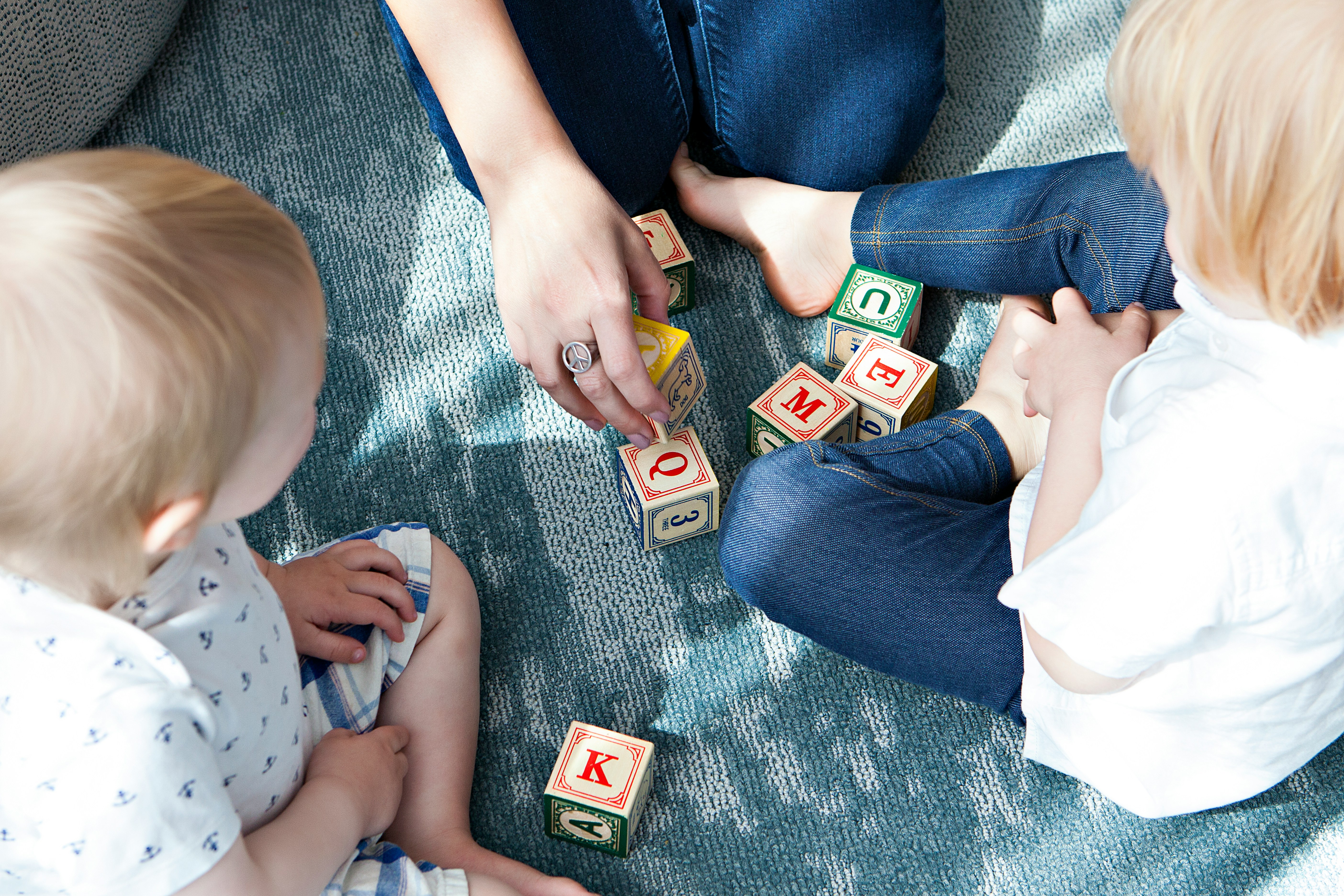
An emergency plan is not about being frightened — it is about being prepared. Families who have talked through what to do in advance stay calmer and make better decisions when something unexpected actually happens. This page walks you through building one together, step by step.
Australia's emergency number: Triple Zero
Police · Fire · Ambulance
Free from any phone, including a phone with no credit or a locked phone. Works from mobiles and landlines.
Before anything else — make sure every person in your family, including children, knows these five things by heart:
Street number, street name, suburb and state. If you call 000, this is the first question the operator will ask. Practise saying it out loud until you have it memorised.
Not just saved in a phone — written down somewhere physical. If your phone dies or you use a stranger's phone to call for help, you need to know the numbers.
Police, Fire and Ambulance. Free from any phone. Works even with no credit, on a locked phone, or from a phone with no SIM.
If you have to leave home quickly — in a fire, for example — where does your family meet? Choose a clear, fixed spot outside your home that everyone can find easily: the letterbox, the corner of the street, a neighbour's driveway.
Who is your second trusted adult? What do you do if you can't reach either of them? Where do you go? Have a clear answer, not a guess.
Work through each section together as a family. Write the answers down and keep a copy somewhere easy to find — on the fridge, in a drawer, or in a child's school bag.
Fill in together. Keep a copy on the fridge and in each child's school bag.
Full address: ________________________________________________________________
Nearest cross street: __________________________________________________________
Parent / carer 1 name: ___________________________ Phone: ____________________
Parent / carer 2 name: ___________________________ Phone: ____________________
Trusted adult (e.g. grandparent, neighbour): _________________ Phone: ___________
Second trusted adult: ___________________________ Phone: ____________________
Family doctor: __________________________________ Phone: ____________________
If we have to leave home quickly, we meet at: _____________________________________
If we cannot reach each other, we go to: _________________________________________
Alarm panel location: _________________________________________________________
First aid kit location: __________________________________________________________
Fire extinguisher location: _____________________________________________________
Spare key held by: ____________________________________________________________
Our family safe word: _________________________________________________________
Primary exit route from bedrooms: ______________________________________________
Alternative exit if blocked: ____________________________________________________
We practise our fire escape plan: ☐ Once a year ☐ Twice a year
Allergies or conditions adults should know about: _________________________________
Medications and location: ______________________________________________________
Go to a trusted neighbour or safe place. Call your trusted adult. Do not attempt to break in. Know in advance who holds a spare key.
Stay calm. Use a torch, not candles if possible. Keep the fridge closed. Call your energy provider if it lasts. Call your trusted adult if needed.
Follow SES advice. Do not drive or walk through floodwater. Know your local evacuation routes. Go to higher ground if needed. Call 000 if in danger.
Do not turn lights on or off. Do not use phones inside. Get everyone out immediately. Call your gas company from outside. Call 000 if you feel unwell.
Call 000. Give your address clearly. Stay on the line and follow the operator's instructions. Do not move the person unless they are in immediate danger.
Get out. Stay low. Close doors behind you. Go to your meeting point. Call 000. Never go back inside. See the full Fire Safety page.
A plan that has never been practised is much less useful than one that has. Agree as a family to:
A safe word is a secret word that your family agrees on. If someone claims to be picking you up on behalf of your parent, they should know the safe word. If they don't, don't go with them. The word should be something you don't use in everyday conversation — unusual enough to be memorable.
In Australia, iPhones and Android phones can call 000 from the lock screen without unlocking the phone first. On iPhones, swipe to the Emergency option on the passcode screen. On Android, tap Emergency Call on the lock screen. Try this on your own phone so you know how it works before you ever need it.
This is why practice matters. The more times you say your address out loud, the more automatic it becomes. You can also write your address on a small card and keep it in your school bag — as a backup.
Yes. An alarm is one layer of security — it detects and warns. A family plan is what people do after the alarm warns them. Alarms and plans work together, not instead of each other.
Finished reading? Mark this topic as complete to track your progress.