












Commercial
Best CCTV Cameras for School Perimeters
Camera Guide
Why This Matters on a School Site
Perimeter CCTV is one of the easiest school topics to oversimplify. Many schools think the answer is just "put cameras on the fence line," but the useful question is which edges actually matter, which gates stay active after dark, and where someone could approach the site without being seen properly.
That is why perimeter pages should separate stable fixed views, motorised views that need tuning, PTZ overview points, and active-deterrence positions. A school can waste money on broad-looking footage if it ignores the places where review really matters.
What to Prioritise
- Start with the real perimeter decision points: main gates, side gates, pedestrian cut-throughs, staff parking edges, service entries, and detached-building approaches.
- Use fixed cameras where the scene is predictable and a constant recorded view matters more than flexibility.
- Use motorised varifocal cameras where the edge is long, awkward, or likely to need tuning during commissioning.
- Use PTZ only where a broad external area genuinely benefits from controllable overview and where fixed cameras still hold the always-recorded positions.
- Use deterrence cameras mainly for remote after-hours perimeter positions where warning audio or light may actually change behaviour.
- Design the perimeter around night conditions first, because that is when schools usually care most about external review.
Installation Insight
Perimeter installation quality often comes down to mounting height, weather exposure, backlighting, cable protection, and how far the camera is from the exact route someone is likely to take. A camera can be technically on the perimeter and still miss the useful approach angle completely.
Installers should also think about whether the perimeter is better handled as one long run from a central switch or as smaller grouped zones with local switching and protected uplinks. On larger campuses, the camera choice and the network path usually need to be designed together.
Common Mistakes
- Trying to cover the whole perimeter with one very wide view that identifies nobody clearly.
- Choosing PTZ as the only perimeter strategy and forgetting the need for fixed recorded views.
- Ignoring how dark the perimeter becomes outside school hours.
- Mounting too high and losing practical review value.
- Treating every fence line as equally important instead of protecting the real access routes.
How This Connects to the Wider School Rollout
This page should usually be read with After-Hours Monitoring for Schools, Best Low-Light Cameras for School Walkways and Outdoor Common Areas, and the existing School CCTV Camera Placement Guide.
If the perimeter conversation becomes more about distributed switching, cabinets, or remote detached buildings, the next pages should be PoE Switch Design for School CCTV Rollouts and How to Plan CCTV for Multi-Building School Campuses.
Relevant SecurityWholesalers Categories and Products
These product areas usually matter most when a school is choosing perimeter cameras rather than generic all-purpose models.
- Hikvision cameras - A common starting point for external perimeter views, especially where the project may mix fixed, motorised, and deterrence-style positions.
- Dahua cameras - A practical alternative for schools comparing hybrid light and other external camera strategies.
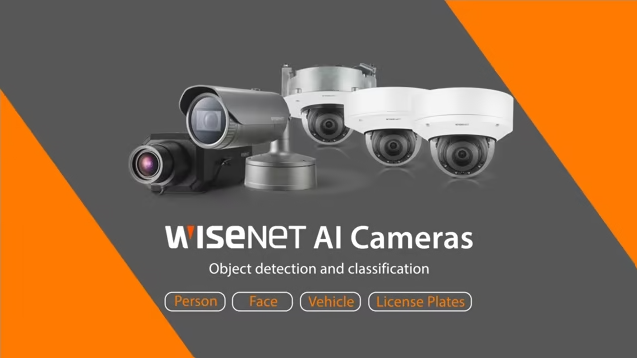
- Hanwha cameras - Useful where the school wants a premium commercial shortlist for perimeter positions.
- Hikvision Smart Hybrid ColorVu cameras - Relevant where the perimeter design leans toward stronger low-light scenes and active warning options after hours.
- PTZ cameras - Worth considering only where a larger school edge genuinely benefits from a controllable overview point.
Sources and Further Reading
Frequently Asked Questions
-
What type of camera usually suits school perimeters best?
There is rarely one answer for the whole perimeter. Many schools use a mix of fixed cameras for known approach points, motorised cameras for longer or harder-to-judge views, and selective PTZ or deterrence cameras only where those roles are genuinely justified.
-
Are PTZ cameras enough for a school perimeter on their own?
Not usually. PTZ cameras are useful as a supplement on broader external areas, but fixed cameras still provide the always-recorded threshold and approach views the school will rely on later.
-
Do perimeter cameras need better low-light performance than internal cameras?
Usually yes. External school edges often have less even lighting, fewer nearby staff, and a higher chance that footage will be reviewed after dark. That makes low-light performance much more important.
-
When do active-deterrence cameras make sense on a school perimeter?
Mainly on remote gates, isolated external entries, and other after-hours perimeter points where warning audio or light may help discourage trespass. They are usually not the default answer for every daytime student area.
-
Should schools use HiLook on perimeter jobs?
HiLook can still be useful where the perimeter need is straightforward and the site mainly wants dependable fixed-lens coverage without stepping into more specialised motorised or deterrence positions everywhere.
-
What is the most common perimeter design mistake?
Treating the whole edge as one generic zone instead of identifying the actual gates, cut-throughs, blind sides, and detached-building approaches where review really matters.
Related Pages
After-Hours Monitoring for Schools
Build the system around real night-time risk, not daytime assumptions.
Best Low-Light Cameras for School Walkways and Outdoor Common Areas
Work out where better night-time colour or hybrid light is actually worth paying for.
School CCTV Camera Placement Guide
Work out where cameras should go before the quote locks in.
Best Vandal-Resistant CCTV Cameras for Schools
Match vandal resistance to where students, visitors, and weather really test the hardware.